
24/7 Customer Support

Free returns

Same-day & Next-day Delivery

Quality Guaranteed

Unlock Your Welcome Offers: FREE Delivery | Up to 80% OFF | Free 30-day JoyPlus trial
Download the APP
Choosing between modern 5G smartphones can be difficult when manufacturers highlight camera megapixels, charging speeds and artificial intelligence without explaining how those features affect everyday use. A phone that looks impressive on a product page may still have limited storage, poor battery endurance or an unsuitable SIM configuration.
This guide explains the specifications worth checking before buying, followed by our top recommendations for different types of UK users.
A phone may support 5G but still be tied to a particular network. If you want to keep your existing tariff or compare SIM-only deals, look specifically for unlocked 5G smartphones, SIM-free smartphones or a clearly stated contract-free model.
Also check whether the phone supports the bands used by your UK network. Coverage and performance depend on your provider, location, building materials and local network capacity, not just the 5G logo on the box.
A 200MP camera does not automatically produce better photographs than a 50MP camera. Sensor size, optical image stabilisation, lens selection, image processing and low-light performance all matter.
For everyday photography, check whether the phone includes:
A larger battery can support longer use, but display brightness, gaming, mobile signal and background apps also affect endurance. Charging speed is useful, but confirm whether a compatible charger is included. Several current Samsung Galaxy phones and premium Android smartphones are supplied with a USB-C cable but no power adaptor.
A 120Hz display can make scrolling, compatible gaming and menu animations appear smoother than a standard 60Hz panel. AMOLED screens generally provide strong contrast and vivid colours, while high brightness can make navigation easier outdoors.
For example, the Samsung Galaxy A27 5G has a 6.7-inch FHD+ Super AMOLED screen with refresh rates of up to 120Hz. The Samsung Galaxy S26 5G combines a smaller 6.3-inch Dynamic AMOLED 2X display with 120Hz refresh rate, which may suit users who prefer a more compact handset.
A high refresh rate may use more energy, so adaptive refresh technology can be useful for balancing smoothness and battery consumption.
For messaging, streaming and general applications, 128GB may be adequate. Users who record frequent video, download films or keep large game libraries may prefer 256GB or 512GB. Remember that available storage is lower than the advertised capacity because the operating system occupies some space.
Dual SIM smartphones can be practical if you want to separate work and personal numbers, use a UK SIM alongside an overseas SIM or combine a physical Nano SIM with an eSIM. Confirm the exact arrangement, as some devices support Nano SIM plus eSIM while others use two physical SIMs.
The Samsung Galaxy A27 5G includes 128GB storage, 6GB RAM, Dual SIM support and microSD expansion up to 2TB. Expansion is useful, but microSD cards may not offer the same speed as internal storage.
Battery capacity is measured in mAh, but it should be considered alongside the processor, display and software. Options aimed at heavy users include the OPPO A6 Pro 5G with a stated 6,500mAh battery and 80W SUPERVOOC charging, while rugged outdoor smartphones may use larger batteries to support long periods away from a mains socket.
Water and dust ratings also need careful interpretation:
Ports should be dry before charging, and water resistance can be affected by impact, wear or repairs. Treat an IP rating as protection against specific conditions, not a reason to expose a handset unnecessarily.
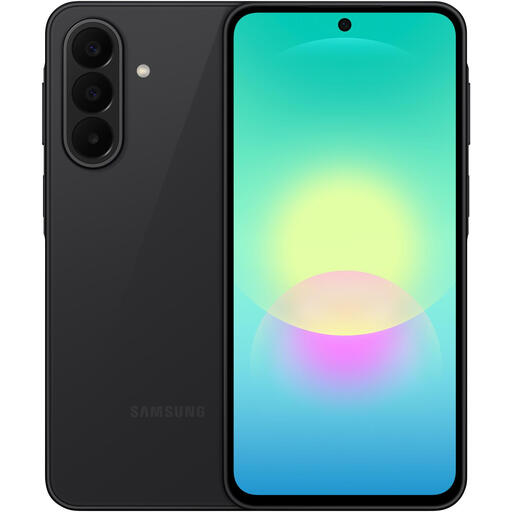
Why This Fits Their Persona: A practical Android smartphone for browsing, streaming, calls and everyday applications without moving into flagship storage or pricing.
It clearly lists Dual SIM, 128GB storage and microSD support, helping buyers avoid unclear capacity and network assumptions.
6.7-inch Super AMOLED display, up to 120Hz refresh rate, 5,000mAh battery and 50MP main camera with OIS.
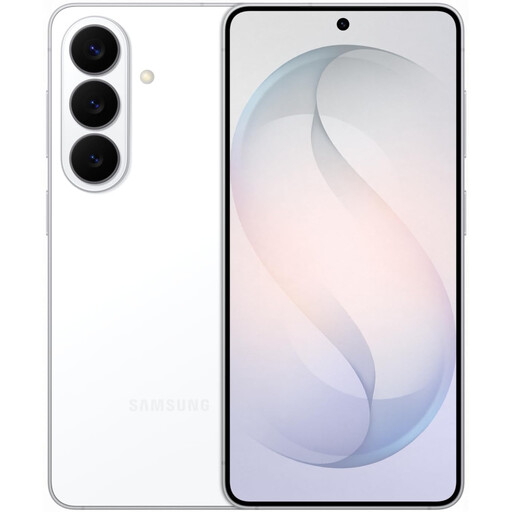
Why This Fits Their Persona: Suits professionals, photographers and frequent travellers who want substantial storage, a compact premium display and advanced connectivity.
Its specification identifies 512GB storage, Dual SIM with Nano SIM and eSIM, IP68 resistance and the absence of a charger in the box.
12GB RAM, 120Hz Dynamic AMOLED 2X display, 8K main-camera video and optical 3x zoom.
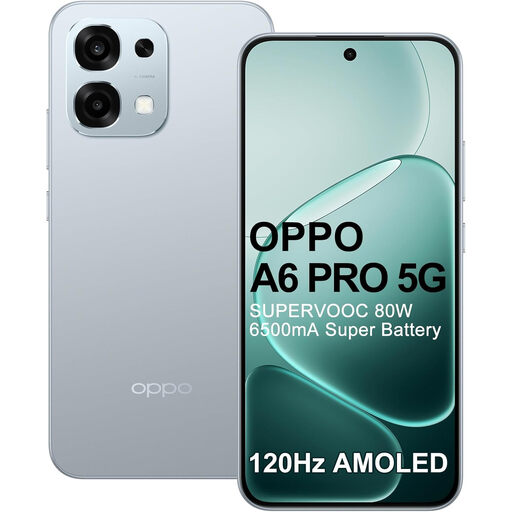
Why This Fits Their Persona: A suitable option for users who stream, game, travel or spend long periods away from a charger and want Dual SIM flexibility.
The listed 6,500mAh battery, 256GB storage and IP69 rating provide measurable details rather than relying only on general endurance claims.
120Hz AMOLED display, 80W charging, NFC, expandable storage up to 2TB and Dual Nano SIM support with eSIM.
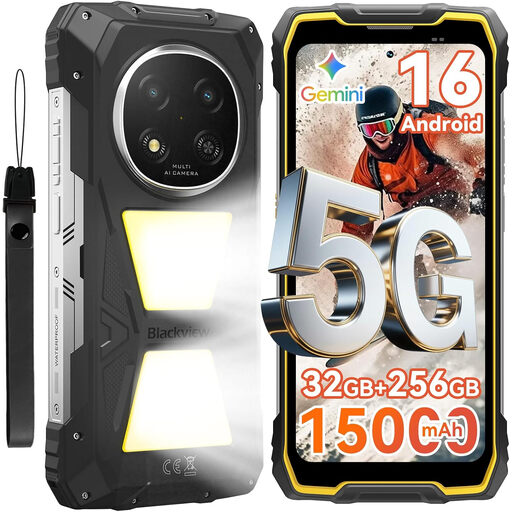
Why This Fits Their Persona: Designed around a large battery, Dual SIM use and outdoor-focused features for construction, fieldwork, travel or extended shifts.
Its product specification states the 15,000mAh battery, 120Hz display and rugged positioning, making the intended use clearer than a standard slim handset.
256GB storage, Dual SIM, NFC, GPS and 8GB RAM with up to 24GB virtual expansion.
We have compiled a complete, real-time list of products that fully satisfy these strict selection criteria and UK safety regulations.
They can be worthwhile if your network and location offer 5G coverage, particularly for large downloads, streaming and responsive online services. A 5G phone will also connect to 4G where 5G is unavailable, subject to network compatibility.
5G use can consume more power in some conditions, especially where coverage is weak or the phone frequently switches between networks. Battery capacity, modem efficiency, display settings and signal strength all influence actual endurance.
Many dual SIM smartphones support two Nano SIMs, Nano SIM plus eSIM, or two eSIM profiles. The exact arrangement varies by model, so check the specification before buying. Also confirm whether both lines can use mobile data and whether your network supports eSIM activation.