If you have eaten a carbohydrate-based breakfast before a 5k, you probably do not need to buy an orange drink for fuel; water is a straightforward option. If you missed breakfast, a small serving of a familiar still orange juice can contribute carbohydrate, but it does not replace a meal. Choose fizz for taste rather than an expected running benefit, and check whether the bottle contains 100% juice or is an orange soft drink.
Who is this choice for?
Morning runners who miss breakfast
If there is no time for breakfast, a familiar carbohydrate drink may be useful. The UK Sports Institute suggests this as an option, while advising that most athletes eat one to three hours before running where possible. A small juice serving is not a full meal.
Runners deciding between still and fizzy drinks
If you prefer fizz, consider the drink’s ingredients and how it feels when you run. Small studies published in the International Journal of Sport Nutrition examined carbonation during much longer exercise in male athletes; they did not test sparkling orange juice before a 5k.
Shoppers comparing their usual juice choices
Compare the product description, pack size and nutrition for the serving you intend to drink. Tesco Groceries lists branded orange juices alongside own-label pressed juices, but an orange-flavoured soft drink is not interchangeable with 100% orange juice.
What should you check before buying?
Start with whether you have eaten, then check the exact drink and serving size. Fizz is a separate preference, not a substitute for reading the nutrition label.
After breakfast
When it fits: If you have had a carbohydrate-based breakfast, water is a practical choice; UK Sports Institute guidance says an additional sports drink is probably unnecessary.
Bear in mind: You can still choose juice for taste, but you need not buy it solely because the run is 5k.
After missing breakfast
When it fits: A small serving of still 100% orange juice you already tolerate can contribute carbohydrate when breakfast was missed.
Bear in mind: It is not a full pre-run meal, and the NHS counts sugars in unsweetened juice as free sugars.
When you prefer fizz
When it fits: Choose a sparkling orange drink for its flavour after checking its product description and carbohydrate per serving.
Bear in mind: Studies in small groups of male athletes during prolonged exercise do not establish a carbonation benefit or individual tolerance before a 5k.
| Priority |
What to check |
Your needs |
| Breakfast and timing |
Consider whether you have eaten carbohydrate and when you plan to run. The UK Sports Institute says most athletes eat one to three hours beforehand where possible. |
If breakfast is already sorted, I do not need to buy a drink just to fuel a typical 5k. If I have missed it, I want an option I have tried before. |
| Drink type |
Read the product description and ingredients. Check whether it is 100% orange juice, a juice drink or a carbonated soft drink; compare carbohydrate for the serving you would actually have. |
I want to know what is in my drink rather than assuming every orange-coloured fizzy option has the same juice content or nutrition. |
| Fizz and comfort |
Try the exact drink, portion and timing during training. Small studies in male cyclists and runners, published in the International Journal of Sport Nutrition, tested carbonation during two-hour exercise, not sparkling orange juice before a 5k. |
A fizzy drink appeals to me for its taste, but I would rather learn how it feels on a training run than try it for the first time on event morning. |
| Serving and sugars |
Compare the per-serving carbohydrate and sugars with the bottle size. Tropicana states that Smooth Orange contains 14g carbohydrate and 13g sugars per 150ml; the NHS classifies sugars in unsweetened juice as free sugars. |
For a small juice serving, I want the amount I drink to be clear. UK public-health guidance limits fruit juice and smoothies together to 150ml a day. |
| Pack choice |
Compare pack sizes and like-for-like product types, then check the label of the exact variant. Tesco Groceries lists branded orange juices and own-label pressed juices. |
For routine shopping, I may prefer a different pack size or smooth juice over juice with bits, without assuming the nutrition is identical. |
What can catch you out?
-
Assuming a sparkling orange drink is 100% juice
A carbonated orange soft drink may have different juice content and carbohydrate per serving from the still juice you had in mind.
Check the front-of-pack description, ingredients and nutrition table. Compare the same serving volume if you are weighing up different drinks.
-
Buying juice for every 5k as a matter of course
According to the UK Sports Institute, an additional sports drink is probably unnecessary after a carbohydrate-based breakfast.
Decide what to take based on whether you have eaten and what you already tolerate, rather than treating the distance alone as a reason to buy a drink.
-
Reading “no added sugar” as “no sugars”
Tropicana lists 13g sugars per 150ml of Smooth Orange despite its no-added-sugar description. The NHS counts sugars in unsweetened fruit juice as free sugars.
Read both the sugars value and serving size. UK public-health guidance limits the combined daily amount of fruit juice and smoothies to 150ml.
-
Trying a new fizzy drink on event morning
Carbonation studies involving small groups of male athletes during prolonged exercise do not tell you how a particular orange drink will feel before your 5k.
Try the exact drink, portion and timing on an ordinary training day first. If it feels uncomfortable, choose a familiar alternative.
Brand and supermarket references
These examples help with label comparisons; a brand name alone does not establish the ingredients or nutrition of every product it sells.
Tropicana
A reference point for comparing a labelled 100% still orange juice with an orange-flavoured fizzy drink.
- Tropicana describes Smooth Orange as 100% pure pressed juice with no added sugar and lists 14g carbohydrate per 150ml.
- The NHS counts sugars in unsweetened fruit juice as free sugars; the juice’s label does not establish a running benefit.
Innocent
A still-juice option to consider if texture and pack size affect your usual shop.
- Tesco Groceries lists Innocent Smooth Orange Juice and Innocent Orange Juice With Bits in 900ml and 1.35-litre formats.
- Use the specific bottle’s nutrition panel for a carbohydrate comparison; smooth and with-bits listings should not be treated as one product.
Tesco
An own-label reference for comparing pressed juice with branded options during a routine grocery shop.
- Tesco Groceries lists own-label pressed juices alongside branded orange juices.
- Check the exact product description, pack size and nutrition rather than assuming an own-label juice and an orange drink are equivalent.
Sparkling orange drink options on Joybuy
These are fizzy orange soft drinks for shoppers who prefer a sparkling option, not a selection of 100% still orange juices. Choose by the exact label and a serving you have tried during training, rather than expecting fizz to improve a 5k run.
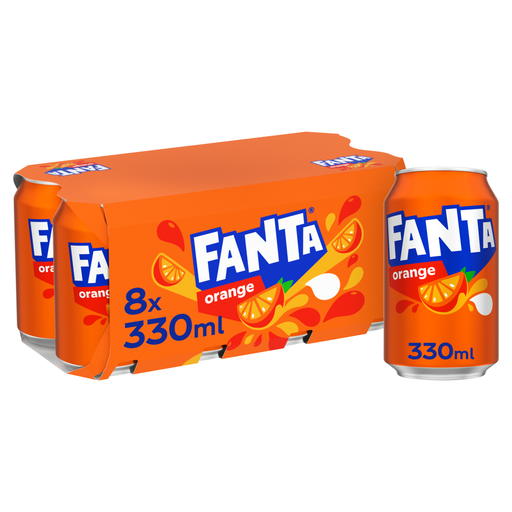 Image unavailable
Fanta Orange 8 x 330ml
A fizzy orange soft-drink option in individual cans, rather than a 100% orange-juice option. Check the can’s ingredients and carbohydrate information if you plan to drink it before a run, and try it during training first.
View on Joybuy
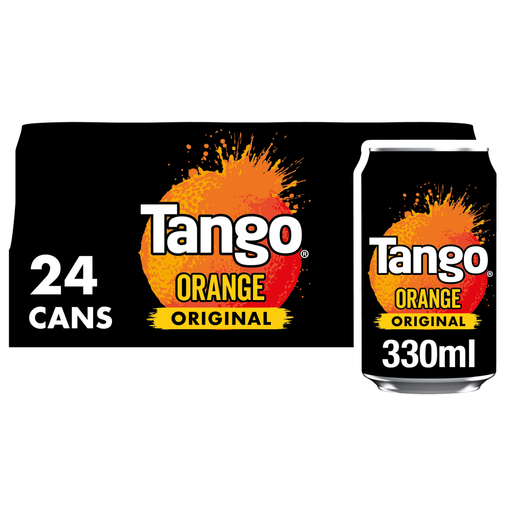 Image unavailable
Tango Orange 24 x 330ml
A 24-can fizzy orange soft-drink pack. If you want a drink before a 5k, compare the label per 330ml can with the portion you intend to have; do not treat it as 100% orange juice.
View on Joybuy
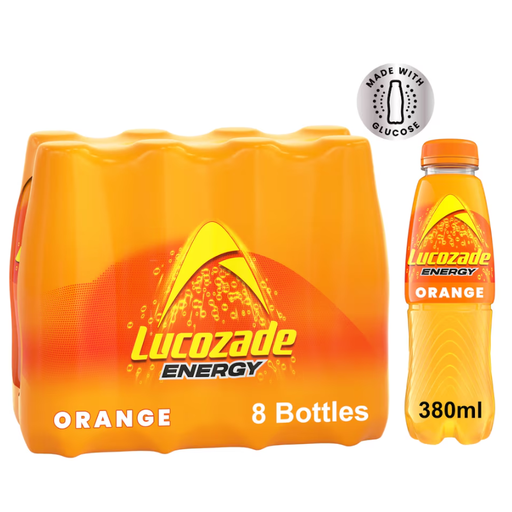 Image unavailable
Lucozade Energy Orange 8 x 380ml
A sparkling orange energy drink rather than 100% orange juice. Check the bottle label for caffeine, sugars and carbohydrate before deciding whether this particular drink and serving fit your plans; try it during training rather than for the first time before an event.
View on Joybuy
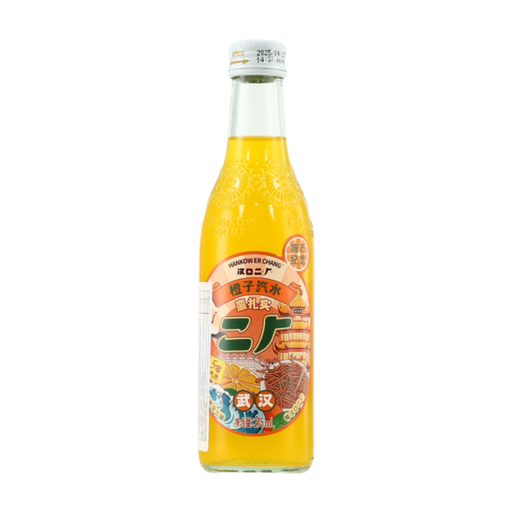 Image unavailable
Hankow Er Chang Orange Soda Drink 275ml
A 275ml orange-flavoured soda option if you want a fizzy drink. Read the bottle’s product description and nutrition per serving rather than assuming it matches still orange juice.
View on Joybuy
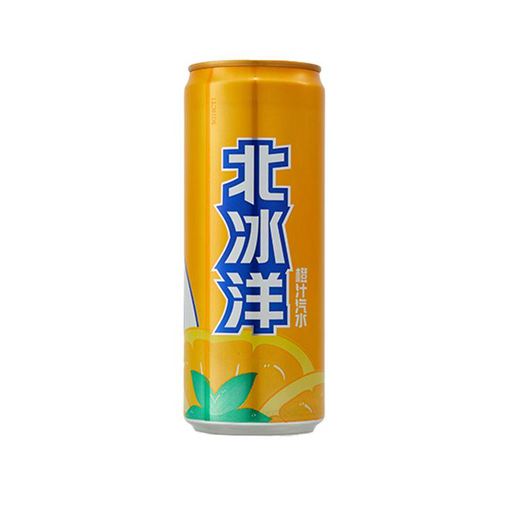 Image unavailable
Bei Bing Yang Orange Juice Soda 330ml
An orange soda for the sparkling-drink choice, not a product to assume is 100% juice because of its name. Check the container label for its ingredients and nutrition before comparing it with a still juice.
View on Joybuy
Questions about orange drinks and 5k runs
Do I need orange juice before a 5k?
Probably not if you have already had a carbohydrate-based breakfast: UK Sports Institute guidance says an additional sports drink is probably unnecessary in that situation. If you missed breakfast, a familiar carbohydrate drink is an option, but a small juice serving does not replace a meal.
Is a sparkling orange drink better than still juice for running?
Do not expect a 5k benefit from carbonation. Small studies published in the International Journal of Sport Nutrition found no significant advantage from carbonation in the prolonged-exercise conditions they tested, but they did not study sparkling orange juice before a 5k or establish how every runner will tolerate it.
What serving size should I consider for fruit juice?
UK public-health guidance limits fruit juice and smoothies combined to 150ml a day because their sugars count as free sugars. Check your drink’s nutrition for the amount you actually pour; a larger bottle is not necessarily one serving.
What if I manage diabetes and run?
Follow your individual exercise and glucose-management plan rather than a general orange-juice rule. NHS Tayside advises checking blood glucose before activity and notes that exercise duration, intensity and eating around exercise affect individual needs; ask your diabetes team about your own approach.
Can I leave orange juice in the cupboard until run morning?
Follow the instructions on the exact pack. Tropicana describes its long-life Smooth Orange as suitable for cupboard storage before opening; do not apply that instruction to a chilled juice without checking its label.


