Runners who have already eaten
If you want caffeine without sugar, compare the caffeine in the whole serving. A zero-sugar label does not tell you how much caffeine the can contains.


For a 5K, a zero-sugar energy drink is a caffeine choice, not a replacement for missed carbohydrate fuel. UK Sports Institute guidance says a carbohydrate drink can be useful if you have missed breakfast, but is probably unnecessary after a carbohydrate-based breakfast. If you choose a caffeinated drink, compare the amount in the whole can and try the exact drink during training rather than for the first time before an event.
If you want caffeine without sugar, compare the caffeine in the whole serving. A zero-sugar label does not tell you how much caffeine the can contains.
If carbohydrate is what you need before the run, consider food or a carbohydrate drink instead of relying on a zero-sugar energy drink. The UK Sports Institute identifies a carbohydrate drink as an option when there has been no time for breakfast.
Check the warning on the exact product before considering it for a run. Relentless, for example, says its White Citrus drink is not recommended for children or people sensitive to caffeine.
Decide whether you need carbohydrate or are considering caffeine, then check the full serving and how it fits your usual pre-run routine.
Consider it when: You have eaten and want a caffeinated drink without sugar.
Trade-off: It is not a substitute for missed carbohydrate fuel, and caffeine varies substantially between cans.
Consider it when: You specifically want a drink containing carbohydrate and have checked its caffeine and sugar information.
Trade-off: Its sugar content does not establish that it is preferable to food or a carbohydrate drink for your run.
Consider it when: Pre-run carbohydrate, rather than caffeine, is the decision. The UK Sports Institute suggests a carbohydrate drink as an option if breakfast was missed.
Trade-off: Food and drink timing depends on what you tolerate; a zero-sugar sports drink does not serve the same carbohydrate purpose.
| Priority | What to check | Your needs |
|---|---|---|
| Carbohydrate | Read the carbohydrate amount for the serving, not just the product name. The UK Sports Institute says a carbohydrate drink can be useful after a missed breakfast but is probably unnecessary after a carbohydrate-based breakfast. | I have not eaten before the run and want to know whether this drink provides carbohydrate, rather than caffeine alone. |
| Caffeine | Compare caffeine per whole can and account for other sources that day. Red Bull United Kingdom states 80 mg per 250 ml Sugarfree can; Monster Energy United Kingdom states 160 mg per 500 ml Absolutely Zero can. | A zero-sugar label is not enough for me: I want to know the caffeine amount in the portion I would actually drink. |
| Pre-run routine | Check the serving size, product warnings and whether you have tried that portion and timing during training. UK Sports Institute guidance notes that food timing and tolerance vary between runners. | I would rather use a familiar food or drink than try a new caffeinated, carbonated can immediately before an event. |
Red Bull United Kingdom states 80 mg caffeine in a 250 ml Sugarfree can, while Monster Energy United Kingdom states 150 mg in a 500 ml Ultra can and 160 mg in a 500 ml Absolutely Zero can.
Read the caffeine amount for the exact whole can and consider caffeine from coffee, tea and other drinks too.
A zero-sugar choice does not serve the same carbohydrate purpose as the food or carbohydrate drink discussed in UK Sports Institute guidance for runners who missed breakfast.
If carbohydrate is the reason you are choosing a pre-run drink, check its carbohydrate content or consider food you already tolerate.
Lucozade describes Sport Zero as a zero-sugar drink with electrolytes. Its name does not mean it provides carbohydrate fuel.
Check sugar, carbohydrate, caffeine and serving size on the individual product rather than choosing by range name.
Relentless says its White Citrus drink is not recommended for children, people sensitive to caffeine, pregnant women or women who are nursing.
Read the warning on the exact pack; do not treat an energy drink as routine running fuel for someone covered by it.
Red Bull United Kingdom lists Sugarfree in a 250 ml can.
Monster Energy United Kingdom lists zero-sugar Ultra and Absolutely Zero in 500 ml cans.
Lucozade distinguishes its Zero drinks from Sport Zero, which it describes as a zero-sugar fitness drink with electrolytes for low-intensity exercise.
Relentless lists sucrose and caffeine in its White Citrus drink.
Tesco Groceries lists regular and sugar-free energy-drink variants in its online category.
These energy drinks include zero-sugar-labelled options and a Lucozade Energy bottle. Compare each exact pack against whether you want carbohydrate, caffeine, or neither before a 5K.
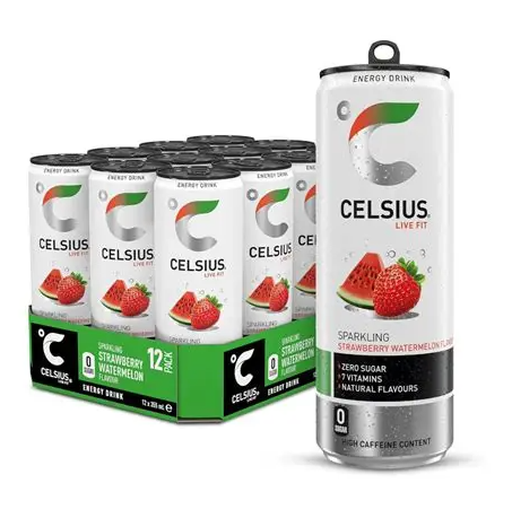 No image available
For a pre-run drink choice, check the sugar and caffeine information for each 355 ml can and try the portion during training. Do not use a zero-sugar drink in place of missed carbohydrate food.
 No image available
Consider this sugar-free option if you have eaten and want caffeine rather than carbohydrate fuel. Red Bull United Kingdom states 80 mg caffeine per 250 ml Sugarfree can; include other caffeine sources when judging the whole serving.
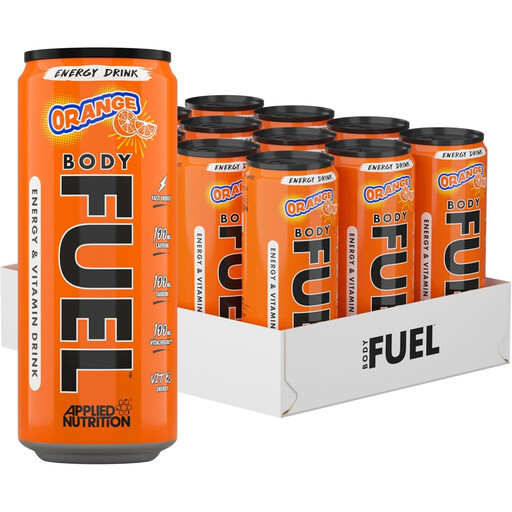 No image available
If you are considering this drink before a 5K, check carbohydrate and caffeine for the whole 330 ml can. Try the exact drink during training rather than relying on the Body Fuel name to establish its role.
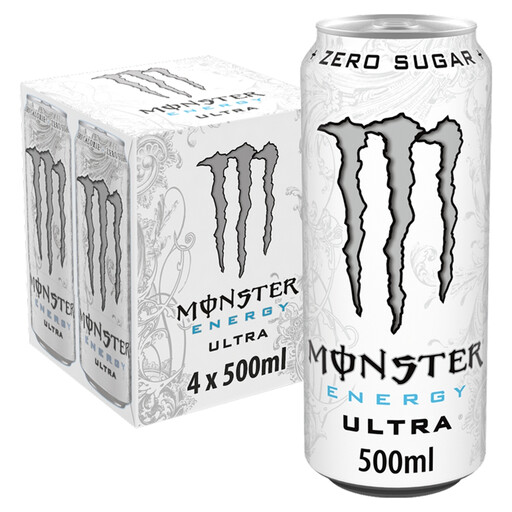 No image available
This zero-sugar option is not a substitute for missed carbohydrate food. Check caffeine on the exact 500 ml pack before choosing it, and account for other caffeine you consume.
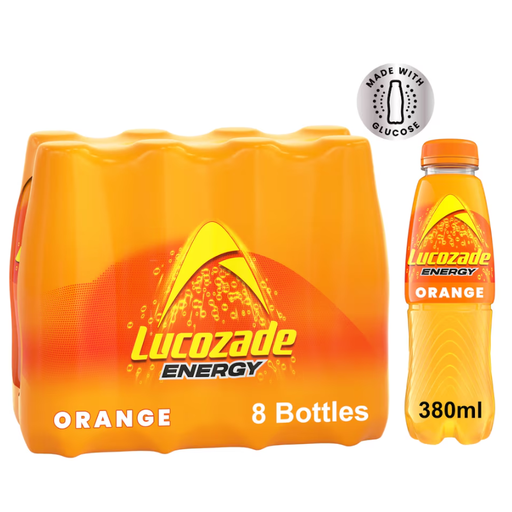 No image available
If you missed a pre-run meal and are considering a drink for carbohydrate, check the amount per 380 ml bottle. Also check the bottle's caffeine information and try the portion and timing during training.
Not if you mean replacing missed carbohydrate food. UK Sports Institute guidance suggests a carbohydrate drink as an option when breakfast was missed, but says a sports drink is probably unnecessary after a carbohydrate-based breakfast. Check the exact drink's carbohydrate content rather than treating caffeine as fuel.
Compare the amount in the whole can and include caffeine from other sources. Red Bull United Kingdom states 80 mg per 250 ml Sugarfree can; Monster Energy United Kingdom states 150 mg per 500 ml Ultra can and 160 mg per 500 ml Absolutely Zero can. Those figures describe the named products, not every variant or pack.
No. Lucozade describes Sport Zero as a zero-sugar drink with electrolytes for low-intensity exercise; its sport positioning does not make it a carbohydrate-fuelling choice. Check sugar and carbohydrate separately from caffeine on whichever drink you are considering.
Try the exact drink, portion and timing during ordinary training instead. UK Sports Institute guidance notes that runners vary in what and when they tolerate food before running, so an unfamiliar pre-run routine adds an avoidable uncertainty.