What should you check?
Decide whether you primarily want fluid, a flavoured drink or carbohydrate; then compare the label and consider when you plan to drink it.
Water
Choose it when: You want to replace fluid during or after a typical recreational 5K; the NHS identifies water as a way to replace fluid lost through physical activity.
Trade-off: It offers neither lemon flavour nor carbohydrate.
Diet or zero-sugar sparkling lemonade
Choose it when: You want fizz and lemon flavour without choosing a drink for its carbohydrate.
Trade-off: Versions with negligible carbohydrate do not serve as carbohydrate fuel; check sweeteners on the particular pack if relevant.
Sugared sparkling lemonade
Choose it when: You want a sweetened fizzy drink and have checked the carbohydrate in the amount you intend to drink.
Trade-off: Sugar content differs by product, and its presence alone does not make lemonade a drink tailored to a run.
| Priority |
What to check |
Your needs |
| Run fuel |
Consider the run’s duration and the drink’s carbohydrate per 100ml. UK Sports Institute guidance describes muscle and liver carbohydrate stores as sufficient for approximately 90 minutes of moderate exercise; individual circumstances still matter. |
I do not want to buy lemonade on the assumption that every 5K requires sugar during the run. |
| Fluid and sugar |
Use water as the fluid-replacement baseline in NHS guidance. For a flavoured alternative, compare sugars per 100ml and the amount you expect to drink. |
If I have been sweating, replacing fluid matters to me. I can choose separately whether I want a drink containing sugar. |
| Carbonation |
Think about when you will drink it and how fizz feels during exercise. A study published in the International Journal of Sport Nutrition and Exercise Metabolism reported similar comfort ratings for carbonated and non-carbonated drinks during cycling; that does not establish how an individual will feel while running. |
I would rather try a fizzy drink on an ordinary training day than for the first time during a timed 5K. |
| Pack details |
Read the purchased pack for carbohydrate, sugars, ingredients, sweeteners and any relevant phenylalanine statement. Check storage directions for the version and size you choose. |
Ingredients or sweeteners may affect which version I pick, so I want to check the actual bottle or can. |
Lemonade brands and ranges
These brand examples illustrate label differences; they do not imply that every product in a range has the same nutrition or appears in the Joybuy selection below.
R.White’s
R.White’s lists standard and diet lemonade varieties. Its standard lemonade nutrition panel states 2.4g sugars per 100ml.
- The standard version provides a stated per-100ml figure for comparison.
- Check the chosen variant’s pack rather than applying the standard figure to diet or cloudy lemonade.
Sprite
Coca-Cola Great Britain lists Sprite at 4.4g sugars per 100ml and Sprite No Sugar at 0g per 100ml.
- The stated figures distinguish its sugared and no-sugar versions.
- Sprite No Sugar does not provide carbohydrate fuel; check its sweetener and phenylalanine information where relevant.
Tesco
Tesco Sparkling Diet Lemonade 2L is listed with less than 0.1g sugars and less than 0.1g available carbohydrate per 100ml.
- Its nutrition panel makes the diet version’s negligible carbohydrate clear.
- Tesco advises keeping this product out of sunlight and consuming it within three days of opening; follow the directions on the purchased bottle.
M&S
M&S lists Sparkling Cloudy Lemonade at 3.4g sugars per 100g and Diet Pink Lemonade at 0.2g sugars per 100g.
- The two listed varieties offer distinct sugar figures on the same per-100g basis.
- M&S advises checking the label because recipes and nutrition information may change.
Sparkling drink options on Joybuy
These options cover a zero-labelled lemonade, a sweetened fizzy lemon drink and a no-sugar lemon-and-lime drink. They are drinks to compare by flavour and pack details, not a recommendation to use lemonade as fuel for a typical 5K.
 No image available
7 Up Lemonade Zero, 24 × 330ml
A zero-labelled sparkling lemonade to consider when you want lemon flavour rather than a drink chosen for carbohydrate. Check the purchased pack’s nutrition and sweetener information if either affects your choice.
View on Joybuy
 No image available
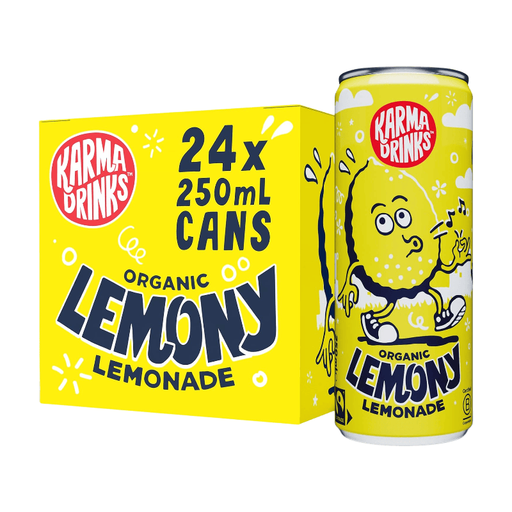
Karma Lemony cans, 24 × 250ml
A sweetened fizzy lemon option for someone choosing the drink for its taste, rather than assuming it is tailored to a 5K. It is labelled ‘Lemony’, not lemonade; check the pack’s sugars and carbohydrate per 100ml when comparing it with lemonade.
View on Joybuy
 No image available
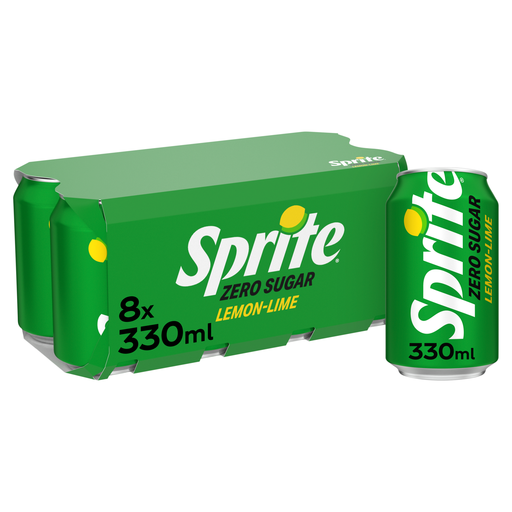
Sprite No Sugar, 8 × 330ml
A sparkling lemon-and-lime option rather than a lemonade. Coca-Cola Great Britain lists 0g carbohydrate and 0g sugars per 100ml for Sprite No Sugar, so choose it for flavour rather than carbohydrate; check the pack’s sweetener information if relevant.
View on Joybuy
Frequently asked questions
Do I need sparkling lemonade to fuel a normal 5K?
Usually not for a typical recreational 5K. The British Dietetic Association says recreational runners generally do not need sports drinks, and UK Sports Institute guidance describes carbohydrate stores as sufficient for approximately 90 minutes of moderate exercise. If your session is substantially longer or your circumstances differ, do not assume that ordinary lemonade meets those needs.
Should I choose diet or regular lemonade for a 5K?
Choose according to whether you want sugar in the drink, not an assumed performance advantage. Tesco lists less than 0.1g sugars per 100ml for its Sparkling Diet Lemonade; R.White’s lists 2.4g per 100ml for its standard lemonade, and Coca-Cola Great Britain lists 4.4g per 100ml for Sprite. Check the exact variant and the amount you intend to drink.
Will a fizzy drink feel uncomfortable during a run?
Individual comfort is not guaranteed either way. A study published in the International Journal of Sport Nutrition and Exercise Metabolism reported similar comfort ratings for carbonated and non-carbonated drinks during cycling, not 5K running. Try fizz during ordinary training before deciding whether to have it around a timed run.
What should I read on the bottle or can?
Check carbohydrate and sugars on the stated nutrition basis, pack size, ingredients, sweeteners and any relevant phenylalanine statement. Follow the storage directions on the purchased pack, since recipes and label details can change.


