What matters when choosing a drink?
Start with the length and demands of your whole workout. Then compare the exact drink’s format and label with what you would want to carry and consume.
| Priority | What to check | Your needs |
|---|
| Session demands |
Consider total exercise time, intensity and whether the 5k forms part of a longer workout. The British Dietetic Association identifies hard exercise lasting more than an hour as a situation in which carbohydrate during exercise can enhance performance. |
For a straightforward short run, I do not want to buy in-run fuel just because the event is called a 5k. |
| Drink format |
Decide whether you want water, a ready-to-drink sports drink or a powder to mix. Gatorade UK instructs buyers to mix one Hydration Booster sachet into 500 ml of water. |
If I am already carrying a bottle, mixing a sachet might suit me; otherwise, I would rather have a drink that is ready to use. |
| Carbonation |
Confirm whether the exact drink is sparkling or still, and try it during ordinary training before an important run. Do not treat fizz as a proven 5k fuelling benefit. |
I might enjoy a fizzy drink, but I want to know whether I am comfortable drinking that particular product while running. |
| Carbohydrate |
Compare carbohydrate per stated serving and the amount you intend to drink. Tesco lists approximately 16 g per 250 ml for its Lucozade Sport Orange 4 × 500 ml product; check the current label of any other pack or drink separately. |
For a longer, hard session, I want to understand what the drink contributes. For a short 5k, I would not assume that extra carbohydrate is needed during the run. |
| Ingredients and label |
Read the current pack for electrolytes, sugars, sweeteners and any ingredient warnings. Check the exact flavour and pack size rather than assuming that products within a brand have identical formulations. |
Ingredient information matters to me, so I want to make the decision from the drink I will actually use. |
Brand and format references
These examples illustrate different drink formats and label checks; a brand name alone does not tell you whether a particular product is sparkling or suitable for your session.
Lucozade Sport
A ready-to-drink sports-drink range. Tesco lists approximately 16 g carbohydrate per 250 ml for the Lucozade Sport Orange 4 × 500 ml product it carries.
- The stated serving gives a concrete carbohydrate figure to compare with your intended use.
- Do not apply that figure to every flavour or pack without checking its current label, or assume a routine short 5k calls for in-run carbohydrate.
Powerade
Tesco describes its reviewed Berry & Tropical Fruits product as a still isotonic sports drink.
- The explicitly still format is useful to check if you do not want fizz.
- Check the exact product’s nutrition and ingredients; being isotonic does not make it necessary for every 5k.
Gatorade
Gatorade UK describes its Hydration Booster as a sachet to mix into 500 ml of water, rather than a ready-to-drink bottle.
- The sachet format lets you prepare a drink in your own bottle.
- It needs water and mixing; check its label and whether a prepared drink has a role in your particular session.
Joybuy drink options
These bottled sports and electrolyte drinks are options to compare for a 5k or a longer training session. If you specifically want fizz, confirm the format of the exact drink before choosing it.
 No image available
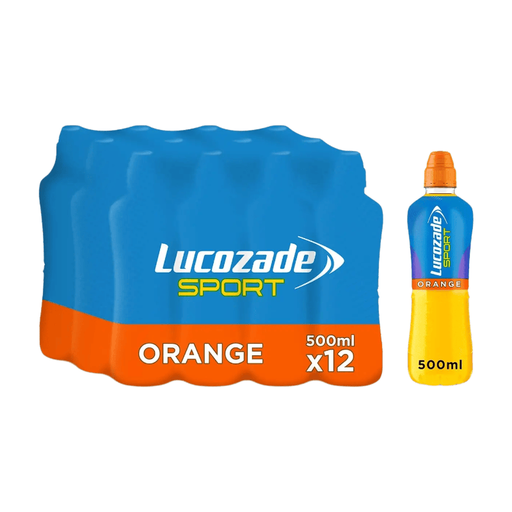
Lucozade Sport Orange 12 × 500 ml
This bottled Orange sports-drink pack is an option to assess if your overall session makes an in-run drink useful. Check the current carbohydrate and ingredient information for this 12 × 500 ml pack, and confirm whether the exact drink is fizzy if that matters to you.
View on Joybuy
 No image available
Pocari Sweat Drink 900 ml
This 900 ml drink is a bottled option to consider against the length of your whole workout. Check its current carbohydrate and sodium figures, the amount you intend to drink and its carbonation status before deciding whether it fits your run.
View on Joybuy
 No image available
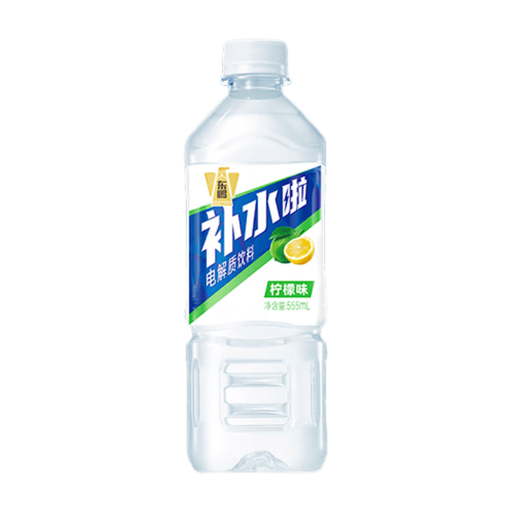
DP Electrolyte Drink Lemon 555 ml
This 555 ml lemon-flavour electrolyte drink is labelled as containing sweetener. Compare its current carbohydrate, salt and ingredient information with your intended use, and confirm whether it is sparkling if you want fizz.
View on Joybuy
 No image available
Genki Forest Alien Electrolyte Water White Peach, 15 × 600 ml
This multi-bottle White Peach pack may suit someone planning drinks for several sessions. Read the current label for carbohydrate and sodium amounts before treating a 600 ml bottle as in-run fuel, and check whether the drink is sparkling.
View on Joybuy
Questions about drinks for a 5k
Do I need a sports drink for a 5k?
Not solely because the run is 5k. The British Dietetic Association says carbohydrate during exercise can enhance performance for hard exercise lasting longer than an hour; consider the duration and demands of your whole session before buying in-run fuel.
Is a sparkling drink better for hydration during a 5k?
A hydration advantage for a 5k is not established. An exercise-in-heat study published in the International Journal of Sport Nutrition found no difference in fluid and electrolyte responses between the sports drinks it studied, but its findings do not settle what will suit every 5k runner. Try the exact drink in training if you prefer fizz.
Are these sports-drink formats sparkling?
Tesco explicitly describes the reviewed Powerade Berry & Tropical Fruits drink as still, while Gatorade UK’s Hydration Booster is a powder mixed with water. Do not infer the carbonation of a different product from its brand or from an isotonic label; check the exact drink.
What should I read on the label?
Check carbohydrate and sugars for the amount you plan to drink, along with electrolytes, sweeteners and ingredient warnings. Use the current label on the exact bottle or sachet, since formulations can change.
What if I use insulin to manage diabetes?
Follow your individual clinical exercise plan rather than using a general 5k drink choice to decide on carbohydrate or insulin adjustments. University College London Hospitals NHS Foundation Trust notes that activity and sport can make blood-glucose management harder and may require changes to insulin and food intake.


