
24/7 Customer Support

Free returns

Same-day & Next-day Delivery

Quality Guaranteed

Unlock Your Welcome Offers: FREE Delivery | Up to 80% OFF | Free 30-day JoyPlus trial
Download the APP
A 5kg rice bag can look like a straightforward pantry purchase, but choosing the wrong grain may lead to sticky pilau, watery sushi or rice that does not hold its shape in jollof. For UK households, caterers and food-service businesses, the practical choice depends on grain type, cooking behaviour, origin and storage, rather than packaging language alone.
A larger bag can offer convenience and reduce how often you shop, but it also needs suitable storage. Before buying, consider how frequently you cook rice, how much dry storage space you have and whether the variety matches your usual recipes.
Jasmine rice, Thai Hom Mali rice and basmati rice are all aromatic, but they do not cook in the same way. Thai jasmine rice is generally soft and lightly cohesive, while basmati is associated with long, slender grains that remain more separate. Choosing based only on the word “fragrant” can result in the wrong texture for your dish.
Long grain rice may be suitable for curries, stir-fries or everyday meals, but processing makes a difference. Parboiled rice is treated before milling, which can help the grains retain their structure during cooking. It is often considered for jollof, pilaf and batch cooking, where a firmer texture is useful.
A 5kg bag is useful for regular cooking, but rice can absorb moisture and odours if the packaging is left open. A cool, dry cupboard is preferable. After opening, reseal the bag securely or transfer the contents to an airtight food container. Check the best-before information on the packaging and avoid storing rice beside sinks, cookers or damp walls.
The distinction between short grain rice and long grain rice is important:
For Japanese rice dishes, look for a product specifically described as sushi rice or Japanese short grain rice rather than substituting ordinary long grain rice.
The label should identify whether the rice is parboiled, polished, fragrant or basmati. Parboiled basmati can be practical for jollof and large family portions because the grains are designed to retain their shape when cooked correctly. For sushi, however, short grain rice is more suitable because its cohesive texture helps it hold together after seasoning.
Water ratios vary between varieties and appliances. For example, the listed sushi rice products recommend rinsing, soaking and using a relatively close rice-to-water ratio. Several jasmine rice products specify approximately one part rice to 1.5 parts water, although the correct amount can vary by saucepan, rice cooker and personal preference.
Always follow the individual pack instructions. Rinse raw rice as directed, cook thoroughly and serve piping hot. UK food-safety guidance also makes correct handling of cooked rice important: cool leftovers promptly, refrigerate them and reheat only according to safe household practices.
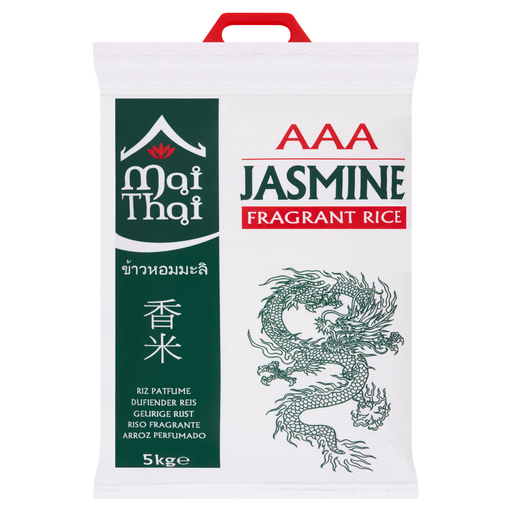
Why This Fits Their Persona: A practical option for households wanting one fragrant rice for curries, stir-fries, grilled foods and regular steamed meals.
The listing clearly identifies 100% jasmine rice and provides rinsing, water-ratio and standing instructions rather than relying only on promotional wording.
5kg pack, 100% jasmine rice and guidance for saucepan cooking. The listing states that it contains no additives.

Why This Fits Their Persona: Suits cooks who prioritise slender, separate grains for biryani, pilaf, basmati rice dishes and curry accompaniments.
The product information specifies extra-long basmati rice and gives rinsing, boiling, simmering and resting steps, making the intended texture clearer.
100% pure extra-long grain basmati rice, with a 5kg quantity and cooking guidance for approximately 75g per person.
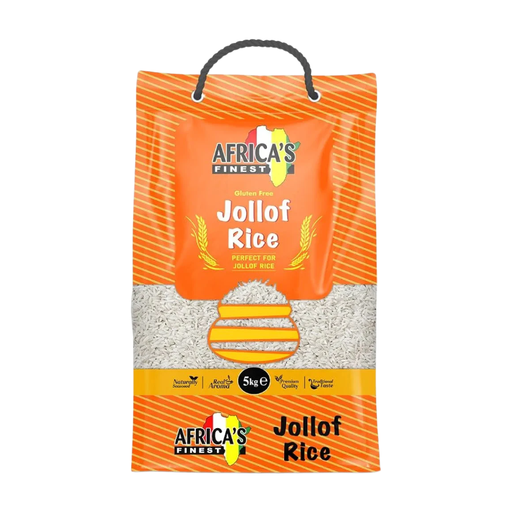
Why This Fits Their Persona: Designed for families, gatherings and cooks preparing jollof rice in larger portions, with a grain structure intended to work alongside sauces and seasoning.
Its product description identifies the rice as 100% parboiled basmati, so shoppers can distinguish it from ordinary fragrant or short grain rice.
5kg family-sized bag, parboiled basmati specification and suitability for jollof-style meals, vegetables, meat and sauces.
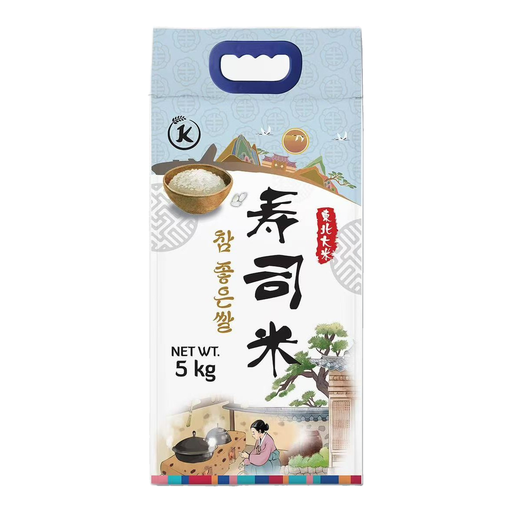
Why This Fits Their Persona: A suitable match for home sushi making, onigiri, Japanese meals and regular preparation for family or catering portions.
The product is explicitly labelled short grain sushi rice and includes rinsing, soaking, resting and seasoning instructions.
5kg quantity, short grain format and instructions that include soaking for 20–30 minutes before cooking.
We have compiled a complete, real-time list of products that fully satisfy these strict selection criteria and UK safety regulations.
This depends on portion size and frequency. If one person uses around 75g of dry rice per meal, a 5kg bag contains roughly 66 portions. A family cooking rice several times a week may use it within a few weeks, while occasional cooks may need longer. Always store it sealed and check the packaging before use.
Yes, basmati rice is commonly selected for curries, biryani and pilaf because its long, slender grains can cook separately when rinsed and prepared correctly. For a more resilient texture in larger batches, compare standard basmati with parboiled basmati rice and follow the specific cooking instructions.
Choose short grain sushi rice or Japanese rice rather than jasmine or standard long grain rice. Short grain varieties provide the cohesive texture needed for rolling sushi and shaping onigiri. Rinsing, soaking and resting the cooked rice can also affect the final result, so follow the product’s instructions carefully.