Parents and carers of babies under 12 months
A supermarket bottle of skimmed cow’s milk is not a substitute for a baby’s feed. The NHS identifies first infant formula as the suitable alternative to breast milk during the first 12 months.


Do not use a 6-pint bottle of skimmed milk for a baby’s night feed. NHS guidance identifies first infant formula as the suitable alternative to breast milk during the first 12 months and does not recommend skimmed milk as a main drink for children under 5. If the milk is for adults instead, check that the fat type, bottle size and opened-pack instructions suit your household.
A supermarket bottle of skimmed cow’s milk is not a substitute for a baby’s feed. The NHS identifies first infant formula as the suitable alternative to breast milk during the first 12 months.
An overnight main milk drink still needs an age-appropriate choice. The NHS does not recommend skimmed or 1% milk as a main drink for children under 5, although it says these milks can be used in cooking from age 1.
If skimmed milk is for adults’ drinks, cereal or cooking, choose a bottle size that fits in the fridge and can be used within its opened-pack instructions. Keep that purchase separate from milk intended for a young child’s night feed.
Start with the age and purpose of the feed; only then consider preparation or bottle size.
| Priority | What to check | Your needs |
|---|---|---|
| Age suitability | Check whether the milk is for a baby under 12 months or a child under 5. The NHS identifies first infant formula as the alternative to breast milk in the first 12 months and does not recommend skimmed milk as a main drink for under-5s. | I’m choosing a night feed for a young child, not milk for an adult’s drink. |
| Formula preparation | For powdered formula, follow the pack’s mixing instructions. The NHS says to wash and sterilise feeding equipment before each feed and to use boiled water cooled for no more than 30 minutes, so it remains at least 70°C when preparing the formula. | Overnight, I need to be able to prepare the feed using the required equipment and instructions. |
| Household bottle size | Confirm the fat type and volume on the label, then check fridge space and opened-pack storage. Sainsbury’s lists a 3.408L (6-pint) semi-skimmed bottle that must be kept below 5°C and used within three days of opening. | If the milk is for adults, I want a bottle we can store and use within the instructions on that pack. |
They serve different feeding purposes. The NHS identifies first infant formula, not skimmed cow’s milk, as the suitable alternative to breast milk during a baby’s first 12 months.
For a baby who is not breastfed, look for first infant formula rather than a supermarket skimmed-milk bottle.
The NHS says skimmed and 1% milk do not contain enough fat to be a main drink for children under 5. Using skimmed milk in cooking from age 1 is a different use.
Check age-appropriate feeding guidance, and speak to a health visitor or clinician about feeding, growth, allergy or medical concerns.
Sainsbury’s 6-pint listing is semi-skimmed, while its skimmed listing is a 4-pint bottle. Bottle size alone does not establish the fat type.
Read the product label for both fat type and volume, then check the opened-pack instructions before ordering.
A larger opened bottle may go unused if the household cannot finish it within the period stated on its label.
These skimmed-milk listings are relevant to household shopping, not a recommendation to use skimmed milk for a young child’s night feed.
Tesco Groceries lists British skimmed milk in a 2.272L (4-pint) bottle and filtered skimmed milk in a 2-litre bottle.
Sainsbury’s lists British skimmed milk in a 2.27L (4-pint) bottle, labelled 0.3% fat, and a separate 3.408L (6-pint) semi-skimmed bottle.
Waitrose & Partners lists Essential British Free Range skimmed milk in 2-pint and 4-pint bottles, alongside a 2-litre Cravendale skimmed option.
Arla UK lists Cravendale filtered skimmed milk in a 2-litre bottle.
These first infant milk products relate to feeds for babies under 12 months who are not breastfed. They are not skimmed cow’s milk or 6-pint bottles; check each pack’s ingredients and preparation instructions before use.
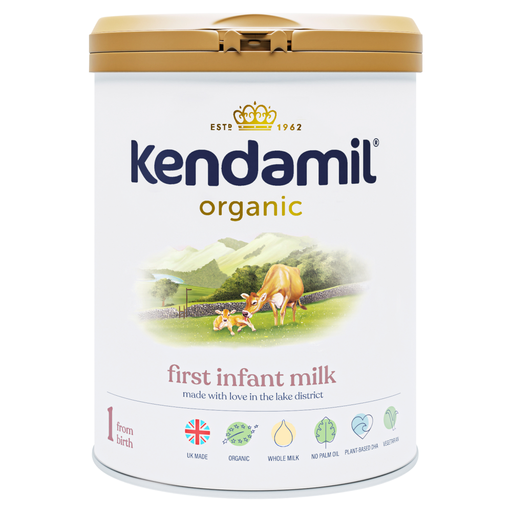 No image available
For a baby under 12 months who is not breastfed, the NHS identifies first infant formula as the suitable alternative to breast milk. This 800g product is labelled from birth; check its ingredients and follow the on-pack preparation instructions, including those for sterilising equipment.
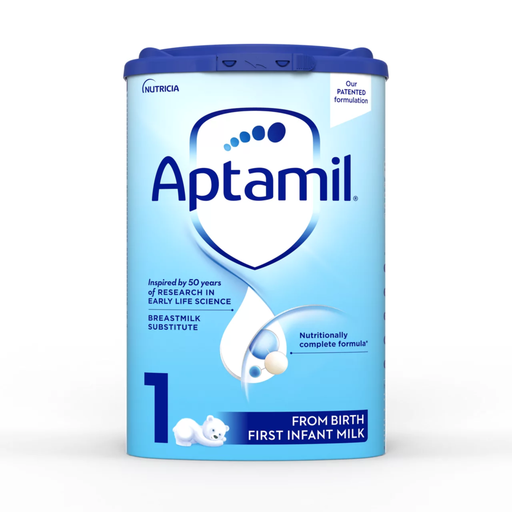 No image available
This from-birth first infant milk is an 800g product for the infant-formula route identified by the NHS when a baby is not breastfed. Check its ingredients, sterilise feeding equipment and follow the preparation directions on the pack.
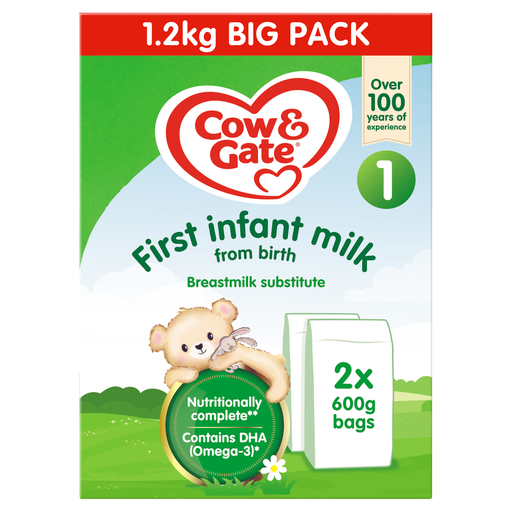 No image available
This from-birth first infant milk comes as two 600g tins rather than one large milk bottle. For a baby who is not breastfed, check the ingredients and each tin’s storage directions, and follow the full on-pack preparation instructions alongside NHS guidance on sterilising equipment and water temperature.
No. For a baby under 12 months, NHS guidance identifies first infant formula as the suitable alternative to breast milk. Ordinary skimmed cow’s milk is not an infant-feed substitute.
The NHS does not recommend skimmed or 1% milk as a main drink for children under 5 because it does not contain enough fat. It says these milks can be used in cooking from age 1, which is a different use.
Follow the formula pack’s instructions and sterilise bottles, teats and other feeding equipment before each feed. The NHS says to boil the water and let it cool for no more than 30 minutes, so it remains at least 70°C when preparing the formula.
No. Sainsbury’s lists a 6-pint semi-skimmed bottle and a separate 4-pint skimmed bottle; Tesco Groceries and Waitrose & Partners list 4-pint skimmed options. Check the fat type and volume on the specific product before ordering, particularly if the milk is for adult household use.