
24/7 Customer Support

Free returns

Same-day & Next-day Delivery

Quality Guaranteed

Unlock Your Welcome Offers: FREE Delivery | Up to 80% OFF | Free 30-day JoyPlus trial
Download the APP
A 6000 BTU portable air conditioner can be a practical choice for a bedroom, home office, student accommodation or smaller living room, particularly where installing a fixed system is not realistic. However, buying based only on the BTU figure can lead to disappointing cooling, excessive noise or inconvenient maintenance.
The most common purchasing pitfalls are easy to overlook:
A 6000 BTU model is generally aimed at smaller indoor spaces, but there is no universal room-size guarantee. A top-floor room with large south-facing windows may require more cooling capacity than a shaded, well-insulated bedroom of the same floor area.
Measure the room and consider:
A portable air conditioner should be positioned close enough to the window for the exhaust hose to reach without sharp bends. Keep clear space around the air inlet and outlet, and avoid placing the unit where curtains or furniture restrict airflow.
A portable air conditioner with dehumidifier functionality can be useful during humid summer weather or in rooms where condensation is a concern. Check whether dehumidifying operates independently from cooling, and read the drainage instructions before use.
A 3-in-1 air conditioner usually combines cooling, dehumidifying and fan modes. Fan mode circulates air but does not actively lower room temperature, making it more suitable for mild days or when you want airflow without compressor operation.
Some units also include a drying function. This can be convenient for laundry, although it should not replace proper ventilation where moisture levels are high.
Features such as an air conditioner with remote control and an air conditioner with 24-hour timer can make everyday use easier. A timer allows the unit to switch off after you fall asleep or before you return home, rather than running continuously.
Also check for:
R290 is a refrigerant used in some modern domestic cooling appliances. It is flammable, so do not tamper with the sealed refrigeration circuit. Always follow the supplied instructions, keep ventilation openings unobstructed and use the appliance only as directed.
The most suitable choice depends on how you plan to use it. The following options cover active cooling, year-round air circulation and lower-footprint personal cooling.
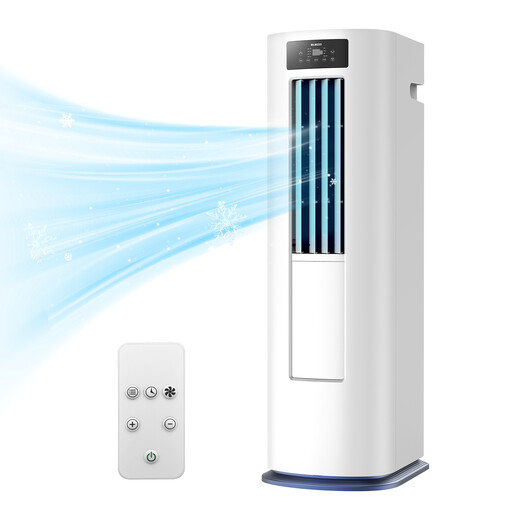
Why This Fits Their Persona: A practical option for renters, students and home-office users who want active cooling without installing a fixed home air conditioner. Its supplied window mounting kit supports temporary installation.
It specifies cooling, dehumidifying and fan functions rather than relying on a cooling-only description. Automatic water-full protection also addresses a common drainage concern.
6000 BTU capacity, Energy Class A, R290 refrigerant, remote control, 24-hour timer and listed airflow of 250 m³/h.
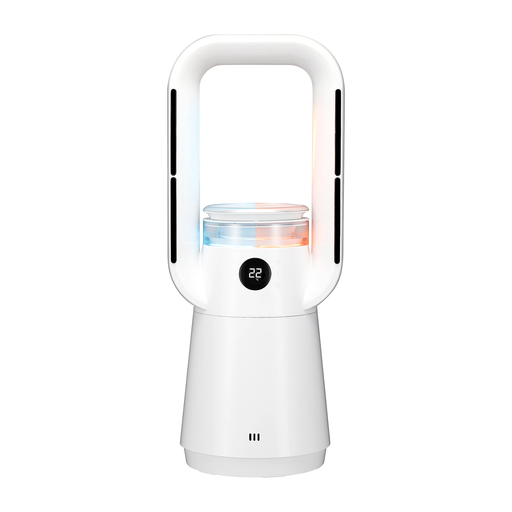
Why This Fits Their Persona: Suitable for households wanting one appliance for changing indoor conditions, including bedrooms, living rooms and home offices.
It is clearly positioned as an air circulator rather than a substitute for a compressor-based portable air conditioner, helping buyers avoid confusing fan airflow with active cooling.
Eight fan speeds, 65° oscillation, two heat settings, humidifier function, HEPA filter and anti-tilt and overheat protection.
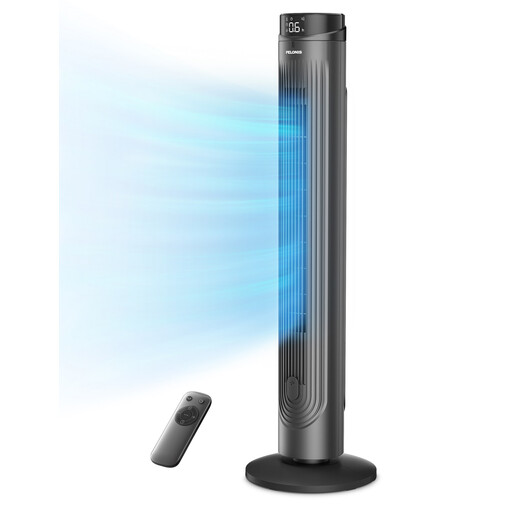
Why This Fits Their Persona: A useful alternative for users who need continuous air circulation in a bedroom or office but do not require active refrigeration or dehumidification.
Its fan-only design makes the limitation clear: there is no implication of BTU cooling, compressor operation or dehumidifying.
DC motor, 12 speed settings, oscillation, remote control and 24-hour timer.
Use the supplied window kit air conditioner parts as instructed, sealing gaps around the panel as far as the design allows. Keep the exhaust hose as short and straight as possible. Closing doors to unused rooms helps concentrate cooling where it is needed.
For lower electricity use:
A portable cooling fan may consume less electricity, but it only moves air and does not provide the same refrigeration or dehumidifying function as a mobile air conditioner.
We have compiled a complete, real-time list of products that fully satisfy these strict selection criteria and UK safety regulations.
It can suit a smaller bedroom, provided the room is reasonably insulated and the exhaust hose is installed correctly. Sun exposure, occupants and electronic equipment may increase the cooling demand.
Most compressor-based portable air conditioners need a way to discharge warm air outside. A window kit is commonly used, although the exact installation method depends on the window style and the manufacturer’s instructions.
Running cost depends on the appliance’s power input, electricity tariff, room conditions and operating time. An energy class rating, 24-hour timer and sensible temperature setting can help manage consumption, but no rating guarantees a specific household bill.