
24/7 Customer Support

Free returns

Same-day & Next-day Delivery

Quality Guaranteed

Unlock Your Welcome Offers: FREE Delivery | Up to 80% OFF | Free 30-day JoyPlus trial
Download the APP
As our collection of gadgets grows, from the MacBook Air on our desk to the Android phone in our pocket, the need for a reliable, powerful charging cable has never been more apparent. A 60W USB C to USB C cable has become the go-to standard for powering everything at once. Yet, the market is flooded with options that often fail to deliver on their promises.
As the Joybuy Product Recommendation Officer, my role is to help you navigate this landscape. We will look at the common pitfalls that lead to wasted money and frayed tempers and identify the key features that truly matter for a dependable Type C to Type C cable.
Many cables look the same, but their performance and lifespan can vary dramatically. Here are the three most common issues that catch UK shoppers out:
USB C fast charging cable, but this term is often used without context. A cable that delivers 15W is technically "fast" for some older phones, but it will barely charge a modern laptop like a Dell XPS or MacBook Air. If the cable doesn't explicitly state its wattage, you risk buying something that can't power your main devices.To ensure you get a cable that performs well and lasts, focus on these three non-negotiable parameters.
This is the single most important factor. A 60W rating means the cable can safely handle the power required to charge not just phones and tablets, but also many modern ultrabooks and laptops. To get this performance, you need three things: a device that accepts 60W charging (like a MacBook Air charging cable replacement), a power adapter that can output 60W or more and a PD charging cable rated for that wattage. Anything less, and your laptop may charge incredibly slowly or not at all while in use.
The material of the outer jacket determines the cable's lifespan and usability.
durable USB C cable. The woven fabric provides excellent resistance to abrasion, cuts and tangling. It offers a robust feel and can withstand the rigours of daily travel.tangle-free cable experience. These cables resist kinking and can be coiled tightly for storage without retaining memory, making them ideal for commuters.Look for cables with reinforced connector necks, as this is the primary stress point.
For most users, the standard 480Mbps (USB 2.0) speed is sufficient for charging and occasional file syncing. However, if you are a creative professional, student or anyone who regularly moves large files, look for cables that specify higher speeds like 5Gbps (USB 3.0) or 10Gbps (USB 3.1). A USB C data transfer cable with these higher speeds can transfer a feature-length film in seconds, not minutes.
Based on these criteria, we have matched several cables to different user needs. These recommendations are chosen for their clear specifications and designs that address the common pitfalls.
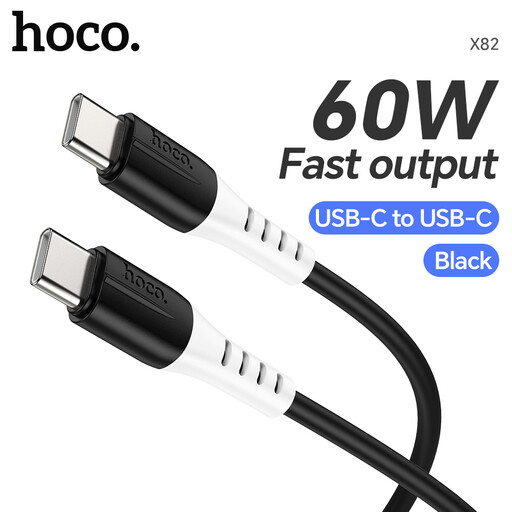
Why This Fits Their Persona: Ideal for those constantly on the move. Its silicone jacket is designed to be thrown into a backpack or pocket without creating a tangled mess, making it a reliable companion for charging a laptop or phone between the office, coffee shop and home.
The premium silicone material directly counters the fraying flaw of standard plastic cables. Its "anti-twist" design prevents the kinks and wear that lead to premature failure.
Delivers the full 60W PD power needed for laptops. The soft-touch, tangle-free silicone jacket makes it exceptionally easy to manage and store.
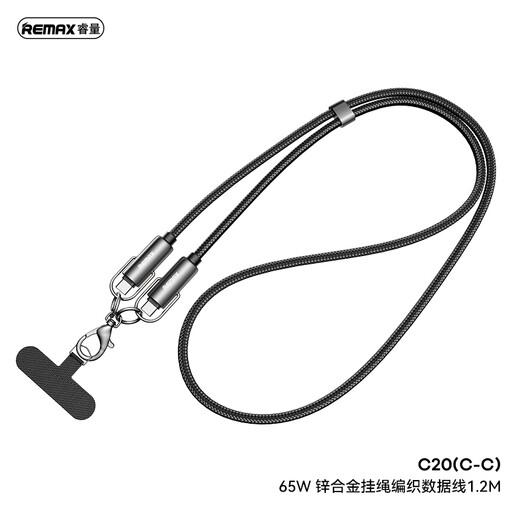
Why This Fits Their Persona: Built for a demanding desk setup. The 1.2m length provides extra reach, while the braided nylon jacket and zinc alloy connectors are designed for longevity, withstanding constant plugging and unplugging of a `USB C laptop charger`.
This `braided USB C cable 1m` (and longer) directly addresses the durability trap. Its robust construction and metal connectors prevent the wear and tear that plagues cheaper cables in a static, heavy-use environment.
Offers a slightly higher 65W power delivery for stable charging. The adjustable collar helps with cable management and strain relief, further extending its lifespan.
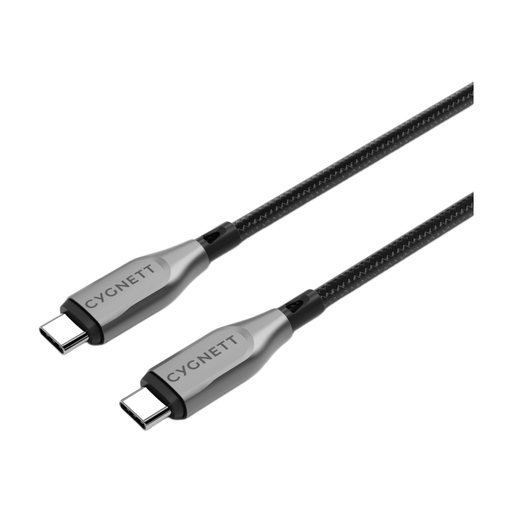
Why This Fits Their Persona: For the user who demands maximum performance. This cable supports up to 100W charging for power-hungry laptops and boasts 10Gbps data speeds, making it ideal for video editors, designers or anyone transferring large datasets.
It completely bypasses the data bottleneck trap with transfer speeds up to 20 times faster than standard USB 2.0. Its DuPont Kevlar aramid fibre reinforcement ensures it is built for extreme durability.
Future-proofs your setup with 100W PD and 10Gbps data transfer. The combination of Kevlar fibre, a metallic alloy finish and double-braided nylon offers a high level of strength.
We have compiled a complete, real-time list of products that fully satisfy these strict selection criteria and UK safety regulations.
Yes, absolutely. USB-C Power Delivery is a smart system. The cable, charger and device communicate to determine the maximum safe power that can be delivered. Using a 100W-rated cable on a device that only needs 60W (or less) is perfectly safe and will not cause damage. The cable simply provides the power the device requests.
The easiest way is to check the original power adapter that came with your laptop. The output wattage (e.g., "60W," "65W" or "96W") will be printed on it. If your laptop's original charger is 60W or less, a 60W cable will be a suitable replacement. If it's higher, the 60W cable will still charge it, but likely at a slower rate.
Generally, yes. The woven nylon sheath on a braided cable provides an extra layer of protection against physical stress compared to a standard PVC or plastic jacket. It helps resist abrasion from being rubbed against sharp corners and prevents the tight bends near the connector that often lead to internal wires breaking. For users who are hard on their equipment, a braided cable is often a worthwhile choice.