
24/7 Customer Support

Free returns

Same-day & Next-day Delivery

Quality Guaranteed

Unlock Your Welcome Offers: FREE Delivery | Up to 80% OFF | Free 30-day JoyPlus trial
Download the APP
Chinese eight-treasure porridge is a practical cupboard staple for anyone who enjoys traditional Asian desserts, grain-based breakfasts or a quick snack without cooking. Usually made with glutinous rice, beans, grains, fruit or seeds, this ready-to-eat eight-treasure porridge can be served at room temperature, chilled or gently warmed.
However, the attractive front labels do not always tell you what matters most. Before ordering a multi-can pack, check the ingredients, allergens, serving size and storage instructions so you choose a product that suits your household rather than paying for a flavour you may not enjoy.
Terms such as “eight-treasure”, “longan” or “purple sweet potato” describe the style, but not necessarily the balance of ingredients. One can may contain a noticeable quantity of red beans or purple rice, while another may use flavouring alongside a smaller amount of featured ingredients.
Read the ingredient list and any quantitative ingredient declaration. For example, one Yinlu purple sweet potato congee lists purple rice at 25% and purple sweet potato at 25%, while the Yinlu Job’s Tears & Red Bean Porridge specifies red bean at 16–27g per can and Job’s tears at 4–11g per can.
Chinese breakfast products and desserts can contain more allergens than expected. Oats, barley, wheat, peanuts, soya and milk-derived ingredients may appear in grain blends or creamy recipes.
Always check the current packaging before eating. The Yinlu coconut milk oatmeal porridge lists gluten-containing cereals, peanuts and milk. Several longan and lotus seed recipes list gluten from wheat or barley and peanuts. This is particularly important when buying for children, shared offices or anyone with a declared allergy.
A 280g can and a 360g can serve different purposes. A smaller can may suit a student breakfast or desk snack, while a 360g can may feel more substantial as a light meal or shared dessert. Also check whether the opened product must be refrigerated and consumed within a stated period.
For safe handling, store unopened cans in a cool, dry place, inspect the best-before date and follow the label after opening. Do not heat a sealed metal can in a microwave. Instead, transfer the porridge to a microwave-safe bowl or saucepan.
The texture of Chinese eight-treasure porridge ranges from smooth and creamy to thick and grainy. Look for the ingredients that match your preference:
Ingredient order is useful because ingredients are generally listed by weight at the time of manufacture. If sweetness matters to you, check the nutrition panel rather than relying on descriptions such as “natural” or “traditional”.
Look for the legally required allergen emphasis on the UK-facing label. Common declarations include gluten, peanuts, soya and milk. A recipe containing oats or barley may not be suitable for someone avoiding gluten, while peanut-containing recipes should be excluded where a peanut allergy is present.
Porridge labelled “vegetarian” or “plant-based” should still be checked for milk ingredients, flavourings and processing information. Do not assume that coconut-flavoured porridge is dairy-free: the Yinlu coconut oatmeal recipe lists sodium caseinate, which is derived from milk.
Common formats include 280g porridge cans and 360g porridge cans. A 12-can box is convenient for planned breakfasts, but compare the total weight and flavour before committing to a large order.
Most products below are ready to eat. They can be consumed cold or at room temperature, or warmed after transfer to suitable cookware. Stirring is worthwhile because grains, beans and syrup can settle during storage.
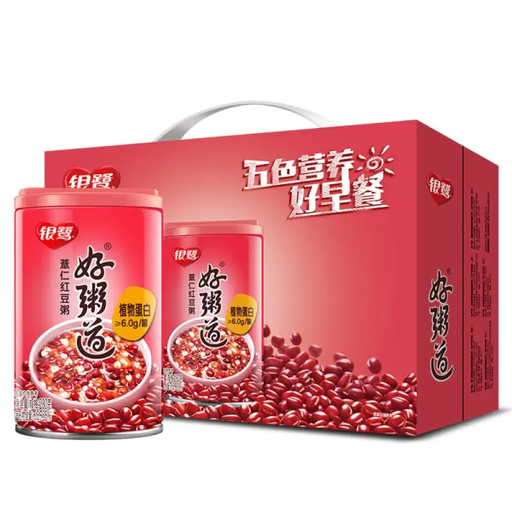
Why This Fits Their Persona: The 280g format is manageable for weekday breakfasts, packed lunches or a first purchase when you want to sample canned Chinese porridge at home.
The listing provides named ingredient quantities and clearly identifies gluten and soya allergens rather than relying only on a flavour title.
Ready to eat; contains red bean, Job’s tears and mixed grains; supplied as 12 cans.
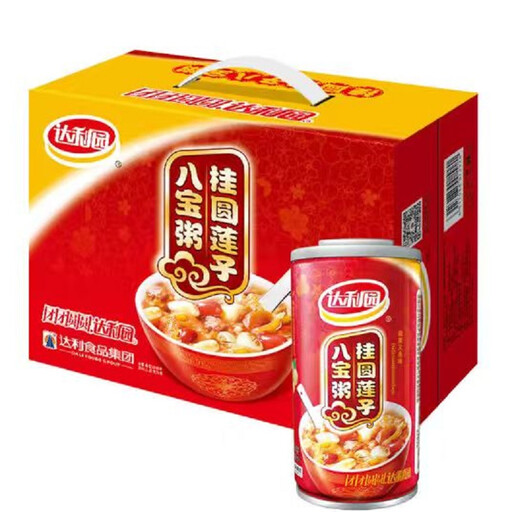
Why This Fits Their Persona: A larger can and a traditional fruit-and-seed combination suit shoppers looking for a more dessert-style Chinese breakfast or an evening sweet dish.
The product page names longan and lotus seed, lists the grain and peanut allergens and gives clear hot, cold and room-temperature serving options.
360g cans; includes longan, lotus seed and silver ear mushroom; ready to eat.
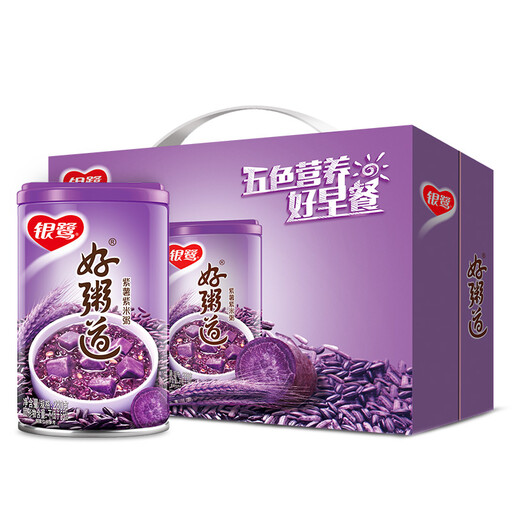
Why This Fits Their Persona: Suitable for shoppers who want a colourful purple sweet potato congee with a defined grain blend for breakfasts or snacks.
The ingredient panel gives the proportions of purple rice and purple sweet potato and highlights that the recipe contains oats and sweeteners.
25% purple rice and 25% purple sweet potato listed; instructions recommend shaking and heating after transfer from the can.
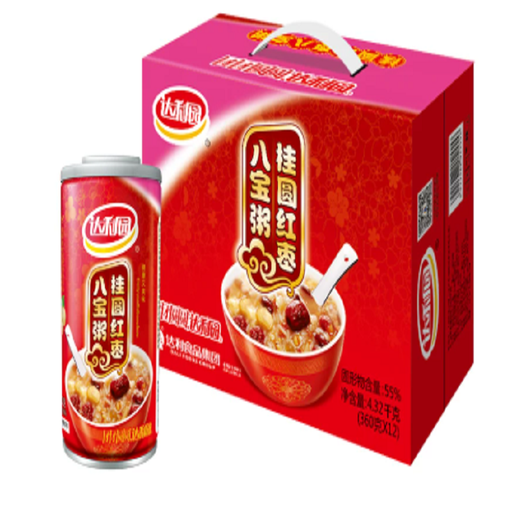
Why This Fits Their Persona: A 12-can gift box works for households, shared accommodation or regular Chinese breakfast routines where individual convenience matters.
The listing identifies wheat and peanuts, states that the cans can be served hot or cold and advises consuming the contents immediately after opening.
360g per can; contains longan, red dates, red beans, mung beans and silver ear mushroom; no preparation required.
We have compiled a complete, real-time list of products that fully satisfy these strict selection criteria and UK safety regulations.
Open the can and stir before eating. It can usually be served cold or at room temperature. For a warm breakfast, transfer it to a microwave-safe bowl or saucepan and heat until hot throughout. Follow the individual label, particularly where the product advises refrigeration after opening.
Unopened cans should be kept in a cool, dry place and used before the best-before date printed on the packaging. Once opened, consume immediately where instructed. If leftovers are permitted by the label, transfer them to a non-metallic container, refrigerate and consume within the stated timeframe.