Shared-office elevenses organisers
Separate sticks make it straightforward to hand out portions for meetings or keep a communal cupboard stocked. Check whether the group wants plain coffee or a prepared cappuccino drink before ordering a carton.


Choose an exact 80-stick carton when individually portioned coffee matters for a shared elevenses break. Amazon.co.uk lists Carte Noire Classic as 80 black-coffee sticks, while Euroffice lists 80 Douwe Egberts cappuccino sticks and says each makes one cup; a jar or refill offers more flexibility over the amount of coffee used and can provide a decaf option. Check the count, drink style and exact pack label before choosing.
An individually portioned carton is worth considering when several people make coffee from the same supply; the drink inside each stick still needs to suit them.
Separate sticks make it straightforward to hand out portions for meetings or keep a communal cupboard stocked. Check whether the group wants plain coffee or a prepared cappuccino drink before ordering a carton.
Individual sticks can be useful when coffee is made occasionally or in different places. A jar may suit a household better when people prefer to vary the amount of coffee in each cup.
Look at the designation and caffeine information for the exact product, rather than assuming every coffee in a brand range is decaffeinated. A decaf jar or refill is another format to consider alongside an 80-stick carton.
Choose when: Each person should have a separate coffee portion and add milk or sweetener themselves.
Trade-off: The sticks do not make a prepared milky drink.
Choose when: The group wants an individually portioned cappuccino-style drink.
Trade-off: A prepared mix leaves less choice over its ingredients than adding milk and sweetener separately.
Choose when: People use different cup sizes or amounts of coffee, or a decaf option is needed.
Trade-off: Loose coffee needs measuring rather than providing one stick per drink.
Start with the drink people want, then check how the pack defines a portion and whether its format works for your cupboard.
| Priority | What to check | Your needs |
|---|---|---|
| Portion count | Check the number of sticks, grams per stick and any one-stick-per-cup instruction. Amazon.co.uk lists Carte Noire Classic as 80 sticks of 1.8 g; Euroffice says each stick in its 80-pack of Douwe Egberts Cappuccino makes one cup. | I want to know how many separate portions I can hand out, rather than treating a jar’s estimated cup count as the same thing. |
| Drink style | Check whether the product is plain instant coffee or a prepared cappuccino mix. Read the exact pack’s ingredients and allergen declaration, particularly when serving a group. | Will everyone add their own milk and sweetener, or are they expecting a cappuccino-style drink from one stick? |
| Caffeine choice | Check whether the exact variant is caffeinated or decaffeinated, and read its caffeine information where that affects the choice. Kenco GB describes decaf products in its range, while Sainsbury’s lists decaffeinated instant-coffee options. | A clearly identified decaf option matters in our cupboard; the brand name alone does not tell me which variant I am buying. |
| Pack suitability | Compare the stated serving basis and total net weight, not just the largest number on the label. A cappuccino stick and a plain-coffee stick contain different kinds of product, even when both cartons hold 80 sticks. | If coffee is made daily, I may prefer to measure from a jar; for occasional shared breaks, separate sticks may be simpler to distribute. |
A stick count and a cup count are not automatically identical. Euroffice explicitly says that one 12.5 g Douwe Egberts Cappuccino stick makes one cup; Amazon.co.uk lists Carte Noire Classic as 80 sticks of 1.8 g each.
Check the stick count, net weight and preparation instructions, especially if cup size or preferred strength varies between drinkers.
A prepared cappuccino product is a different drink format from plain instant-coffee sticks or granules. It does not give each person the same control over what they add to their coffee.
Agree on the intended drink before choosing between black-coffee sticks, cappuccino sticks and a jar or refill.
An 80-count label does not identify the caffeine content of a prepared cup. Ingredients and allergens also need checking for the particular coffee mix being served.
Keep the exact pack information available to drinkers, and check whether a separately labelled decaf option is needed.
These references help distinguish exact 80-stick examples from broader jar, refill and sachet ranges; a brand name by itself does not establish a pack count.
An example to check when the requirement is an exact 80-stick carton of plain instant coffee.
An exact-80 example for groups seeking cappuccino sticks rather than plain coffee portions.
A range to consider when the drink style or pack format matters more than an exact 80-stick carton.
A reference for households or shared kitchens considering jars and refills, including decaf.
A retailer range for comparing familiar instant-coffee jar and refill formats.
A retailer range to consider when an own-label jar or decaffeinated granules would suit the cupboard.
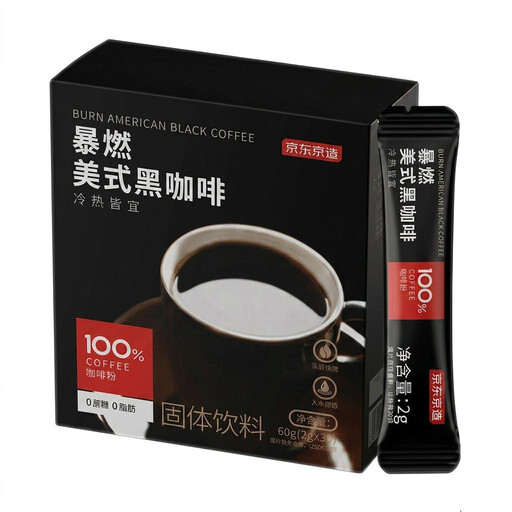
For elevenses, these options are a 60-stick black instant coffee and a 190 g decaf jar. Choose between them according to whether separate portions or a jar matters more; neither is an 80-stick carton.
 No image available
Consider this format when individual black-coffee portions suit the break, but an exact 80-stick count is not essential. The product information describes 60 sticks of 2 g each, prepared with water; milk can be added separately. Check the exact pack’s caffeine information if you need to account for caffeine per cup.
 No image available
Consider this decaffeinated soluble coffee when a jar suits people who measure their own portions. It contains 190 g and does not provide individually counted sticks. Check the supplied pack’s serving guidance and caffeine information if those details affect your choice.
Only use 80 cups as the serving count when the product’s preparation instructions support one stick per cup. Euroffice says each 12.5 g stick in its Douwe Egberts Cappuccino 80-pack makes one cup. Amazon.co.uk lists Carte Noire Classic as 80 sticks of 1.8 g each, but check its pack directions if cup size or preferred strength matters.
Choose plain instant-coffee sticks when drinkers want to add their own milk or sweetener; choose cappuccino sticks when the group wants a prepared cappuccino-style portion. Check the exact pack’s ingredients and allergens rather than assuming the two formats contain the same things.
Check the supplied pack’s ingredients, allergen declaration and caffeine designation, and keep that information available to drinkers. Pay particular attention to prepared cappuccino and other mixed-drink sticks rather than assuming they have the same ingredients as plain coffee.
Keep unopened sticks dry and follow the date and storage instructions on the supplied pack. Check the carton and individual sticks for damage before putting them in a shared cupboard.