Busy breakfast tea drinkers
An 80-bag box gives you individually portioned tea for making a cup without measuring loose leaves. If you usually add milk, check the blend description as well as the pack count.


Choose an 80-bag black-tea box if you want individually portioned cups without measuring leaves; choose loose leaf if you prefer brewing in a pot and are happy to measure each serving. For tea with milk alongside a Full Scottish breakfast, compare the blend’s stated flavour and brewing instructions rather than treating the bag count as a measure of strength.
An 80-bag box gives you individually portioned tea for making a cup without measuring loose leaves. If you usually add milk, check the blend description as well as the pack count.
Black breakfast blends described by their makers as strong, robust or malty offer a useful flavour starting point. Brewing instructions still matter: the number of bags in a box does not tell you how a cup will taste.
If measuring tea and using a pot or infuser suits your routine, compare loose-leaf packs by weight and any stated serving estimate. An 80-bag count describes a different format.
Decide whether the preparation format or the 80-bag count matters more, then compare blends for your usual serving style and water conditions.
| Priority | What to check | Your needs |
|---|---|---|
| Preparation format | Check whether the pack contains tea bags or loose leaves. For loose leaf, look at the weight, serving guidance and equipment you will use. | I want to make individual cups without measuring tea, so an 80-bag box suits my routine. If I enjoy brewing a pot, I would compare loose-leaf packs instead. |
| Flavour with milk | Compare the maker’s blend description and brewing instructions. Ringtons describes its 80-bag Assam and Kenyan blend as strong; Twinings describes its Strong English Breakfast as bold and full of flavour. | When I add milk to tea with a Full Scottish breakfast, I want a blend whose stated flavour sounds right for me—not simply the largest bag count. |
| Water conditions | If hard water is relevant at home, compare a blend made for that condition with your usual tea. Bettys lists Yorkshire Tea for Hard Water in an 80-bag format. | Hard water affects my choice only if it is an issue where I make tea; otherwise, I would choose by format and flavour. |
| Quantity and brewing | Check the exact count or stated loose-leaf servings rather than equating the two. Follow the selected tea’s brewing guidance; Yorkshire Tea advises four to five minutes for its brew. | I need to know how the pack fits my breakfast routine. With loose leaf, a serving estimate depends on how much tea I use per cup. |
Eighty bags are 80 pre-portioned tea bags. Loose-leaf packs are sold by weight, and a stated cup yield depends on the amount used per serving.
Choose which matters more before comparing packs: loose-leaf preparation or an 80-bag count.
Loose leaf also calls for a pot, infuser or strainer if you do not already have one.
Pack count tells you how many bags you receive, not whether the blend matches the flavour you want with milk.
Read the blend description and its brewing instructions. If you favour a stronger-tasting cup, look for a maker’s specific description such as strong, robust or malty.
Yorkshire Tea for Hard Water is a blend made for a particular water condition, not a general upgrade to every breakfast tea.
Consider it if hard water is relevant where you brew tea; otherwise, compare ordinary blends on the format and flavour you prefer.
Twinings lists both English Breakfast and Strong English Breakfast in 80-bag formats.
Bettys lists regular Yorkshire Tea as approximately 80 black-tea bags and a separate 80-bag blend for hard water.
Whittard lists English Breakfast loose tea in a 100g pouch.
Fortnum & Mason lists an Assam Breakfast Blend in a 50-tea-bag pack.
Bettys lists Tea Room Blend as an 80-bag, 250g box and offers a separate loose-leaf Breakfast Tea caddy.
Ringtons lists an 80-bag Assam and Kenyan black-tea blend as well as 250g Breakfast Loose Tea.
These Joybuy options are tea-bag choices for individually portioned breakfast cups, including a hard-water blend and a decaffeinated variant. They do not replace loose-leaf tea if brewing with loose leaves is your priority.
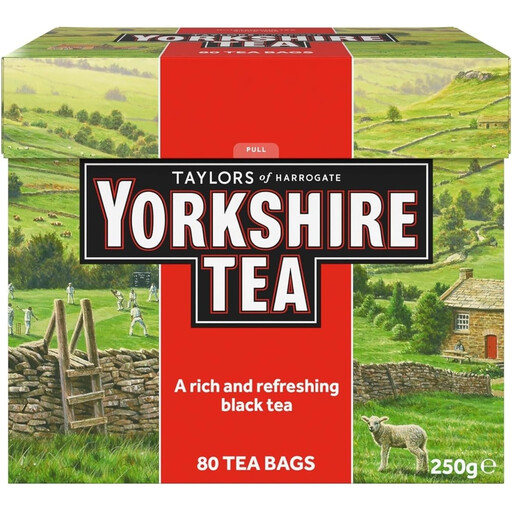 No image available
An 80-bag choice if you make individual breakfast cups and add milk. The product description calls the black tea robust; this is bagged tea rather than loose leaf.
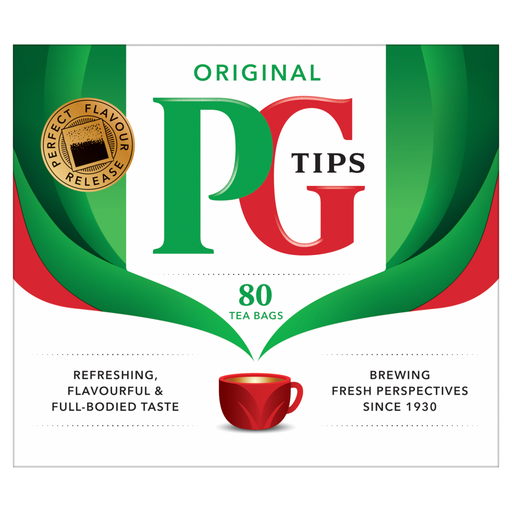 No image available
This 80-bag black tea is another option for individual cups with milk. Its product description calls the flavour robust; choose it for the tea-bag format, not for loose-leaf preparation.
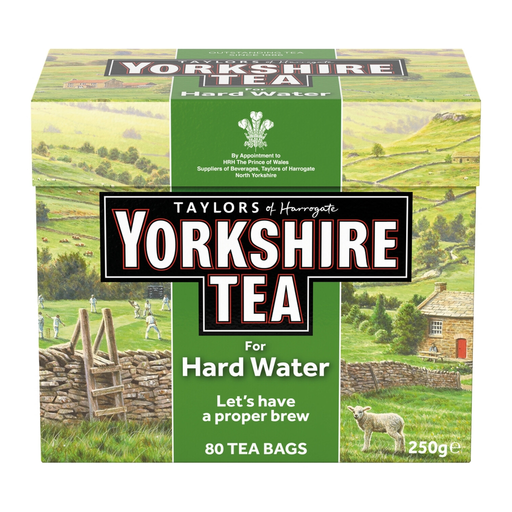 No image available
Consider this 80-bag black tea if hard water is relevant in your household. It is a hard-water-specific blend, not a loose-leaf tea; check the pack’s brewing and serving guidance for your preferred cup.
 No image available
This 80-bag decaffeinated tea is an option if you want individual cups rather than loose-leaf preparation. Its product description mentions serving it with milk; it is a different choice from a regular caffeinated breakfast blend.
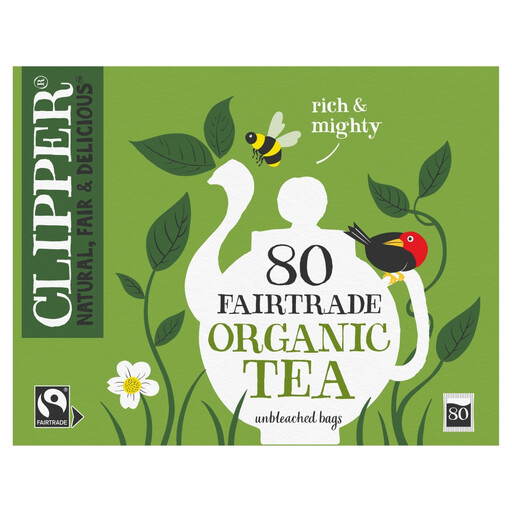 No image available
An 80-bag black-tea option for individually portioned cups. The product description calls its flavour robust and rounded; check the pack’s brewing and milk-serving guidance if those details shape your choice.
No. An 80-bag count refers to pre-portioned tea bags, while loose-leaf packs are compared by weight and any stated serving estimate. Whittard, for example, estimates 50 cups from its 100g English Breakfast loose-tea pouch; that estimate is not an 80-bag equivalent.
Start with a black breakfast blend whose maker describes it as strong, robust or malty if that is the flavour you prefer with milk. Ringtons describes its 80-bag Assam and Kenyan blend as strong, while Fortnum & Mason describes its separate 50-bag Assam Breakfast Blend as robust and malty. These descriptions are flavour guides, not a comparison of how the teas taste to everyone.
Follow the instructions for the tea you buy rather than using bag count to judge brewing time. Yorkshire Tea advises four to five minutes for its brew; another blend may give different directions.
Use a teapot or infuser and measure the leaves according to your chosen tea’s directions. Compare packs by weight and stated servings, remembering that the number of cups changes with the amount of tea used each time.