
24/7 Customer Support

Free returns

Same-day & Next-day Delivery

Quality Guaranteed

Unlock Your Welcome Offers: FREE Delivery | Up to 80% OFF | Free 30-day JoyPlus trial
Download the APP
A loose button, split hem or snagged seam can turn into an unnecessary replacement purchase when the right sewing tools are not within reach. An 86-piece sewing kit can offer a practical solution for UK homes, student rooms, travel bags and craft boxes—but the number on the packaging does not always tell you whether the contents will be useful.
The key is to look beyond the piece count. A kit may include many pins or duplicate threads while leaving out useful essentials such as scissors, a tape measure or a seam ripper. Before buying, check what is included, how the tools are stored and whether the case suits your intended use.
“86-piece” sounds comprehensive, but individual items may include every needle, pin or thread spool in the total. This does not necessarily mean the kit contains a balanced selection for button replacement, hemming and general repairs.
Check for a practical mix of:
A sewing kit with thread and needles is more useful when it also includes tools for preparing and correcting stitches.
A compact case is convenient, but very tight packaging can make small items difficult to remove. Loose tools can also become mixed together in a drawer or suitcase.
For regular use, look for elasticated loops, compartments or a zipped case. A layout that opens fully allows you to see the contents quickly, which is particularly helpful when repairing clothing before work, school or travel.
A lightweight portable sewing kit is suitable for handbags, university accommodation and travel. However, a very small emergency sewing kit may contain only basic threads and needles, rather than the tools needed for repeated home use.
Consider where the kit will live. A travel sewing kit should be slim and securely closed, while a home sewing kit can prioritise a wider tool selection and easier access.
For everyday clothing maintenance, prioritise the tools you are most likely to use. A sewing repair kit should support common tasks such as:
If you are new to sewing, a beginner sewing kit with a clear selection of essentials is generally easier to use than a large craft set filled with specialised items.
A kit should offer more than one thread colour if you expect to repair different garments. Black, white, navy and neutral shades are useful for many wardrobes, while brighter colours may support craft projects.
Needle variety also matters. Fine needles can suit lightweight fabrics, while stronger or larger needles may be more practical for heavier textiles. Always handle needles carefully, keep them secured in the case and store the kit out of reach of young children.
Check the closed dimensions rather than relying only on product photography. A compact sewing kit measuring around 20–24cm in its longest dimension can fit into a drawer, craft box or suitcase, but the internal layout is equally important.
For travel, a full-length zip or secure closure helps prevent needles, pins and scissors from falling out. For home use, a case that opens flat can make it easier to identify every item before starting a repair.
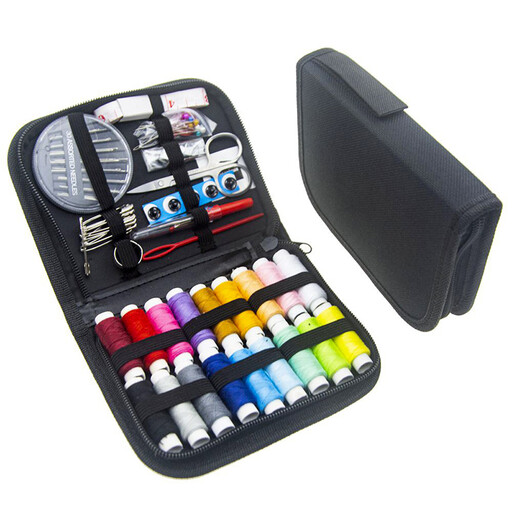
Why This Fits Their Persona: Its stated 86-piece format suits first-time buyers who want a broad home sewing kit for occasional clothing repairs without assembling tools separately.
The product name specifically identifies thread, needles, buttons and repair tools, helping shoppers check the essentials rather than relying on the piece count alone.
86 listed pieces; includes named supplies for button replacement and basic repairs.
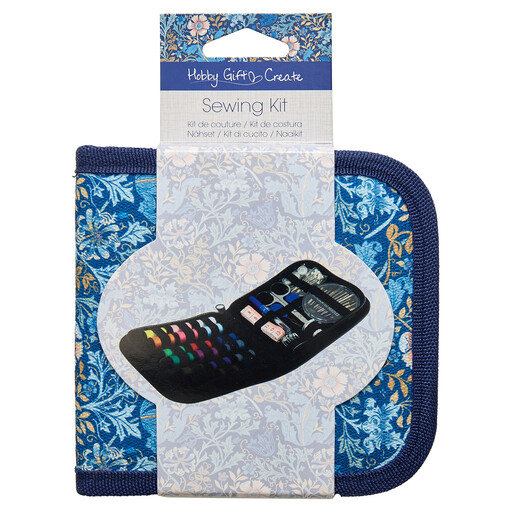
Why This Fits Their Persona: The organised zipped case and broad set of everyday tools suit shoppers who want a tidy kit for home, craft storage or occasional travel.
The contents are itemised, so buyers can confirm the presence of scissors, tape, a seam ripper and needle threaders before ordering.
Includes 18 thread spools and 30 needles; zipped cotton-covered case for organised storage.
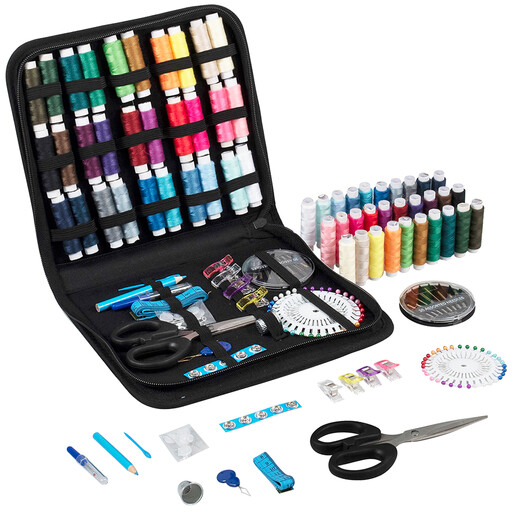
Why This Fits Their Persona: The wider selection suits households, crafters and users handling repeated repairs, sewing classes or small textile projects.
Its itemised contents show more than basic threads and needles, including clips, snaps, a yarn needle and a seam ripper for varied tasks.
Includes 30 hand needles, 30 polyester threads, four wonder clips, five spare buttons and a 64cm tape measure.
A sewing tools kit can remain useful for a long time when stored correctly. Keep the case dry, close the zip after use and return needles and pins to their holders. Scissors should be kept clean and dry, while thread is less likely to tangle when it stays in its original spool position.
For an emergency clothing repair kit, store it somewhere easy to reach, such as a hallway drawer, desk drawer or luggage pocket. Check the contents occasionally and replace used thread, lost needles or missing buttons.
We have compiled a complete, real-time list of products that fully satisfy these strict selection criteria and UK safety regulations.
It can be suitable if the contents include core tools rather than mainly duplicate pins or thread. Beginners should look for needles, several thread colours, scissors, a tape measure, buttons and a needle threader. Clear storage also makes the kit easier to learn from.
The case and reusable tools can last for years with dry, careful storage. Consumables such as thread, pins and needles may need replacing sooner, depending on how often the kit is used and the type of fabric being repaired.
Choose a compact, securely closed case containing basic thread, needles, small scissors, spare buttons, safety pins and a needle threader. Check airline and transport rules before packing scissors or other sharp tools, particularly when flying from UK airports.