For a shared house washing pillowcases alongside everyday laundry, compare freestanding 8kg and 9kg front-loaders if the space and tenancy arrangements permit. An 8kg model may suit mostly separate loads, while 9kg provides more rated capacity for combined loads; check installed dimensions, spin-noise information, fabric programmes and the exact model’s energy label before choosing.
Who is this for?
Shared-house laundry coordinators
If pillowcases, sheets, towels and clothing all compete for one machine, compare capacity alongside the space available for installation. 7kg–9kg machines sit in the range for medium-sized homes, but the right capacity still depends on how residents organise their loads.
Noise-sensitive flatmates
When washing has to fit around different sleeping or working hours, compare spin-noise information for the exact model and check whether its programmes allow a lower spin speed.
Renters changing an appliance
Before replacing or adding a machine, establish who owns the existing appliance, whether a change is permitted and who will arrange installation. Agree the plan with the landlord or managing agent before ordering.
What matters when choosing?
For one shared machine, decide whether residents usually wash separately or combine household laundry, then check that the chosen model fits and has programmes suitable for the pillowcases being washed.
| Concern |
What to check |
Who this matters to |
| Shared-load capacity |
Compare 8kg and 9kg rated capacities, then measure the installation space and allow for hoses and door opening. |
When pillowcases pile up with sheets and towels, I want suitable loads to fit without keeping housemates waiting; around 29% of consumers put shared-load capacity first. |
| Noise and scheduling |
Compare exact-model spin-noise information and the conditions for quick cycles or scheduling features. |
If housemates sleep or work at different times, I need washing to cause less disruption; roughly 29% of consumers make noise and scheduling their primary concern. |
| Pillowcase programmes |
Match the pillowcase care label to the exact model’s available programmes and permitted temperatures and spin speeds. |
For delicate or differently labelled pillowcases, I want a cycle that suits the fabric rather than assuming a rapid or hygiene-labelled setting will do; about 21% of consumers prioritise programme suitability. |
| Energy information and terms |
Read the exact model’s energy label and stated programme data; check its warranty terms. |
With several residents using one appliance, I want clear information for comparing its operation and repair arrangements; approximately 21% of consumers place these considerations first. |
Buying pitfalls
-
Choosing by drum capacity alone
A kilogram rating concerns dry textiles under specified loading conditions; it does not establish that every bulky combination will fit. The machine also needs room for its door, hoses and installation.
Measure the location and compare the exact model’s height, width and depth before ordering.
-
Assuming a quick cycle suits every pillowcase
Programme conditions differ by model, and a rapid, high-spin or hygiene-labelled setting may not suit a particular fabric.
Read the pillowcase care label and check the chosen machine’s programme instructions before selecting a cycle.
-
Comparing energy features without their conditions
A manufacturer’s energy-saving claim may refer to particular programmes and a specified comparison machine, rather than everyday use in every household.
Compare energy labels and stated programme information for the exact models; keep feature claims within their stated scope.
-
Replacing a supplied machine without agreement
Responsibility for an existing appliance and permission to change it depend on the tenancy arrangements. Electrical-installation duties do not, by themselves, establish permission to replace the machine.
Check the tenancy agreement and obtain written confirmation from the landlord or managing agent before changing the appliance or its installation.
Relevant brands to consider
Bosch
Bosch lists the WGE03408GB as an 8kg front-loader and the WGG24400GB as a 9kg front-loader, giving shared houses two capacities to compare.
- Bosch lists both named models with a 1400rpm maximum spin, A energy class, Speed Perfect and reload features.
- Both have a stated depth of 588mm; allow for installation clearance and check the chosen model’s programme and noise information.
Beko
Beko’s BM3WT4841I is an 8kg, 1400rpm freestanding model with a stated depth of 54.6cm.
- The published dimensions give buyers a specific model to assess where installation depth matters.
- Beko’s EnergySpin saving claim applies to its stated programmes and comparison with an equivalent-capacity Beko machine without EnergySpin; use the model’s energy label for a broader comparison.
Miele
Miele lists the WWA120 WCS 8kg Active as an 8kg, 1400rpm front-loader with CapDosing, a Honeycomb drum and AddLoad.
- The named model offers an add-item feature to consider when residents share a machine.
- Check when AddLoad can be used and whether the model’s programmes suit the pillowcases in the house; these features should not be assumed for other Miele models.
Joybuy washing machines
These freestanding 8kg and 9kg machines are options for shared houses comparing separate and combined laundry loads. Check each model against the available space and the care labels on your pillowcases.
 No image available
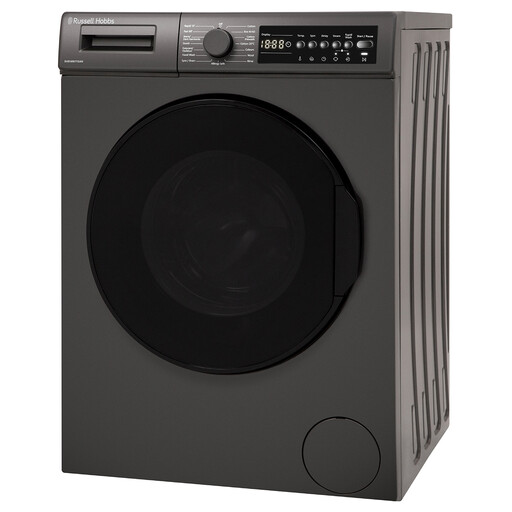
Russell Hobbs RH914W116AN 16 Series 9kg washing machine, anthracite
Consider its 9kg capacity if residents expect to combine suitable household loads.
Freestanding; 1400rpm; stated A energy class. Check the pillowcase care label against the programme conditions before washing.
View on Joybuy
 No image available
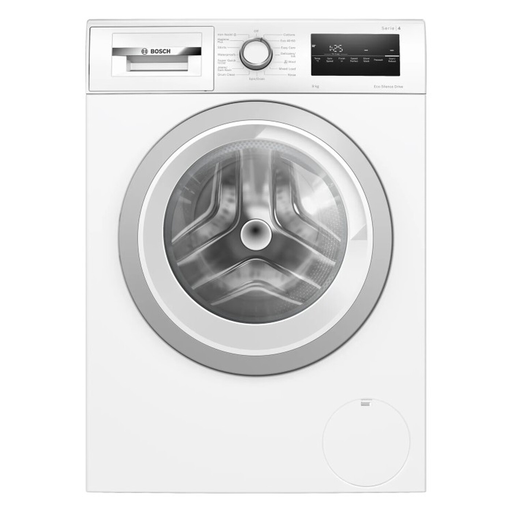
Bosch WAN28259GB Series 4 9kg washing machine, white
Its 9kg rating is worth considering when several residents combine laundry; check that the appliance and installation clearances fit the available space.
1400rpm; stated A energy class. Select a wash programme according to the pillowcase care label.
View on Joybuy
 No image available
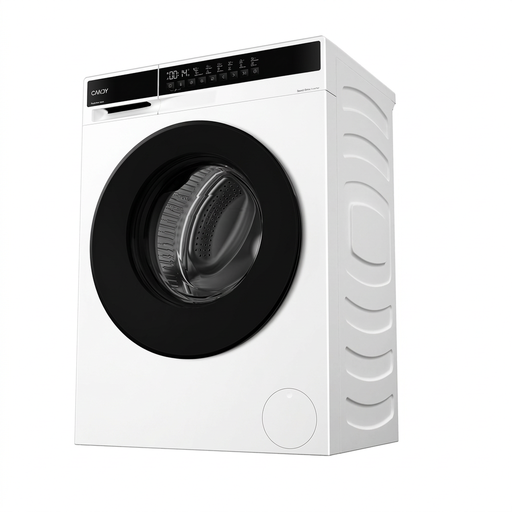
Candy EY 48SB8-80 8kg washing machine, white
An 8kg option to assess if residents usually wash their loads separately rather than combining large household loads.
1400 spin; stated A energy class. Confirm the exact programmes and their conditions against the pillowcase care labels.
View on Joybuy
 No image available
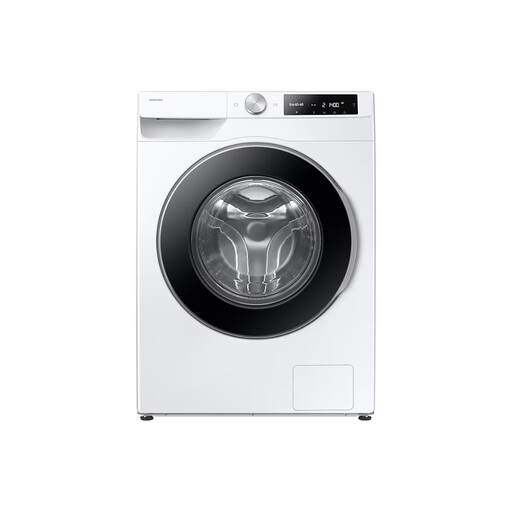
Samsung Series 6 WW90DG6U25LEU1 9kg washing machine, white
Compare its 9kg capacity if combined laundry loads are common in the house.
1400rpm; stated A energy class. Check the programme instructions before using a short cycle for pillowcases.
View on Joybuy
 No image available
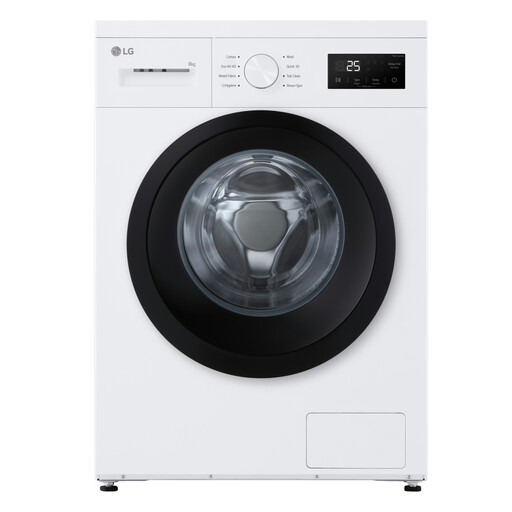
LG F4A10S8NWK 8kg freestanding washing machine, white
Consider this 8kg model for mainly separate loads, provided its total installed depth fits the available space.
1400rpm; stated A energy class. Allow for the door when measuring depth, and follow the pillowcase care label when choosing a programme.
View on Joybuy
Common questions
Is an 8kg or 9kg machine more sensible for a shared house?
Start by considering how residents group their laundry: 8kg may suit mostly separate loads, while 9kg provides more rated capacity when suitable items are combined. The 7kg–9kg range suits medium-sized homes of three to four people. Either way, confirm the installation space; the dry-textile capacity rating does not guarantee that every bulky load will fit.
Should pillowcases always go on a hot or hygiene cycle?
No single cycle suits every pillowcase. Follow its fabric care label first, then choose a programme and temperature permitted by the exact machine; a hygiene-labelled setting is relevant only if that model offers it under conditions suitable for the item.
What energy information should I check when shopping online?
Check the energy label for the exact washing-machine model and compare its stated information under the same conditions. GOV.UK guidance says products within the scope of UK energy-labelling rules must display an energy label at the point of sale, including on a website.
What should a tenant check before replacing the shared-house machine?
Check the tenancy agreement and ask the landlord or managing agent for permission before replacing a supplied appliance or changing its installation. For rented properties in England, GOV.UK guidance says landlords must have electrical installations inspected and tested by a qualified person at least every five years; that duty does not itself give a tenant permission to replace the machine.


