Shared-laundry coordinators
If several residents wash cotton T-shirts, you need a drum that accommodates your agreed laundry routine without regularly leaving substantial space unused.


Choose an 8kg washing machine if housemates usually wash smaller loads regularly; consider 9kg if several residents can coordinate fuller loads and a laundry queue is the main problem. Neither capacity settles the choice on its own: compare the exact models’ programme load limits, energy information, dimensions and spin-noise figures before ordering.
If several residents wash cotton T-shirts, you need a drum that accommodates your agreed laundry routine without regularly leaving substantial space unused.
If you sometimes need clean clothes at short notice, compare quick-programme times alongside their permitted loads. A short cycle is not necessarily intended for a full drum.
Check the exact machine’s dimensions and energy information, as well as who owns any existing appliance and what your tenancy agreement permits, before arranging installation.
For a shared house washing mainly cotton T-shirts, agree on the usual load size and how quickly residents need access to the machine. Then compare models that fit the laundry space.
| Concern | What to check | Who this matters to |
|---|---|---|
| Capacity | Compare the rated capacity in kg with a typical combined load and how often residents plan to wash. | If our T-shirts accumulate between agreed wash days, I want enough space to avoid repeatedly splitting a load; around 31% of consumers put capacity first. |
| Turnaround | Check the named quick programme’s duration and maximum permitted load, not just the drum capacity. | When I need clothes before work or study, knowing how much the shorter cycle can take matters most; roughly 25% of consumers prioritise turnaround. |
| Running costs | Compare the exact models’ energy labels and product information sheets, and consider whether loads will usually fill the chosen drum appropriately. | With utility bills shared, I want to judge energy and water use rather than choose by drum size alone; around 25% of consumers make running costs their primary concern. |
| Fit and permission | Measure the space and access route, compare spin-noise information, and check tenancy terms before replacing an appliance. | If the laundry area is tight or near a shared room, I need a machine that fits without creating a tenancy problem; roughly 19% of consumers put fit, noise and permission first. |
A larger drum helps only if the household can make use of it. Energy Saving Trust advises looking beyond an appliance’s rating when considering its energy use.
Estimate a typical week’s shared laundry, then compare the energy information for specific 8kg and 9kg models alongside your washing schedule.
Beko lists a 28-minute Quick programme for up to 8kg on its BMN3WT3841, but its 14-minute Super Quick programme is limited to 2kg. Those limits apply to that model, not to every quick-wash machine.
Read the programme table for the exact washer and check both the time and load limit before counting on a short cycle for shared laundry.
Nominal capacity does not tell you whether a washer will fit. Bosch lists its 9kg WGG24400GB at 845 × 598 × 588mm, while dimensions vary between models.
Measure the available height, width, depth, door clearance and delivery route against the exact model’s dimensions.
In a rented home, ownership of the existing washer and the tenancy terms matter before anyone arranges work. GOV.UK advises tenants to carry out repairs only if their tenancy agreement says they can.
Check the agreement, establish who owns the appliance and discuss the proposed replacement with the landlord or agent before arranging disconnection or installation.
These brands offer examples worth comparing by exact model; a feature listed for one washer should not be assumed to apply across a brand’s range.
Bosch’s WGG24400GB is a 9kg freestanding example for households considering coordinated, fuller loads.
Beko has 8kg models that may suit a household washing smaller loads more frequently.
Miele’s WWR860WPS is a 9kg example for buyers considering automatic detergent dispensing and connected functions.
These freestanding 8kg and 9kg washers offer starting points for comparing regular smaller washes with coordinated shared loads. Check each model’s programme table, energy information and installation dimensions before deciding.
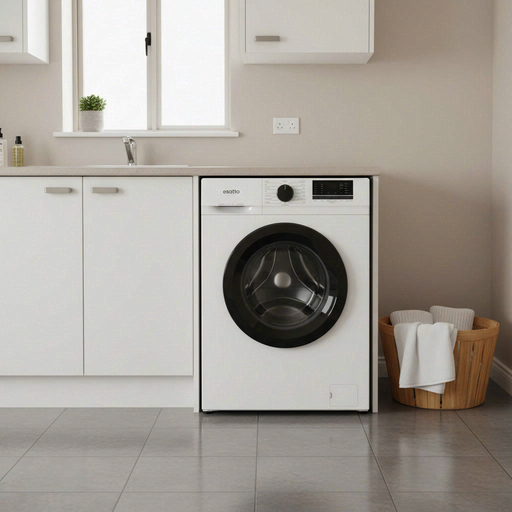 No image available
Consider this 8kg model if housemates wash regularly rather than save up larger combined loads. Check the load limit for its shorter programme and compare the exact energy information before relying on either for your routine.
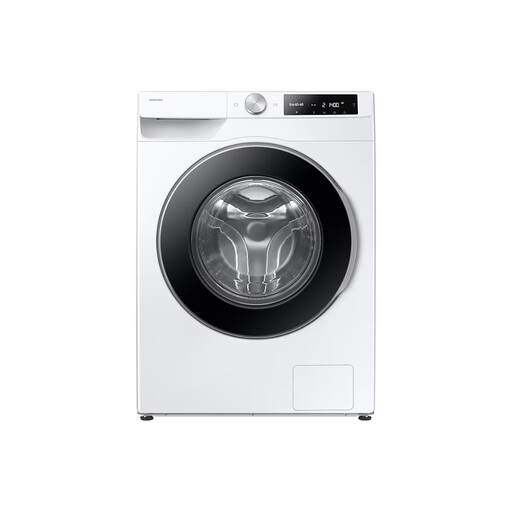 No image available
The 9kg capacity is worth considering if residents can coordinate fuller washes. Check the permitted load of any short programme separately from the drum capacity, then compare energy and spin-noise information for the exact model.
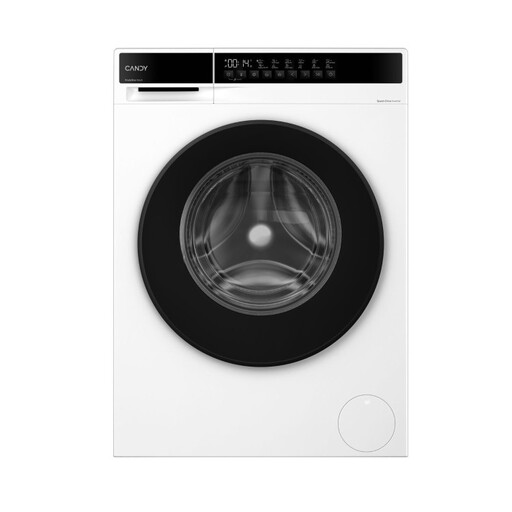 No image available
This 9kg option is relevant when a shared-house schedule allows larger combined loads. Confirm the quick-programme load limit and use the exact energy label and product sheet when comparing running costs.
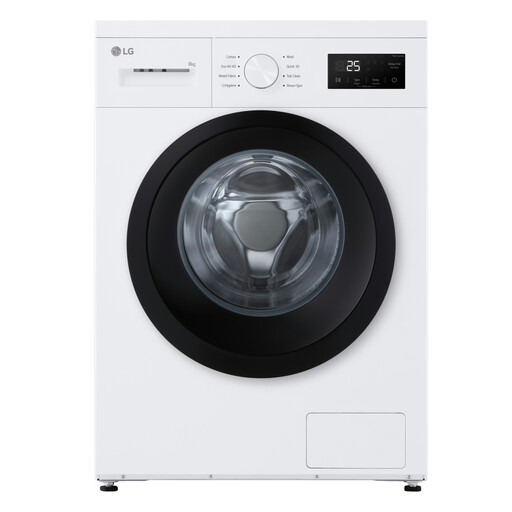 No image available
Consider this 8kg washer if regular smaller loads suit the household. Where depth is tight, confirm the complete installation measurement, including the door and required clearance, rather than using a cabinet measurement alone.
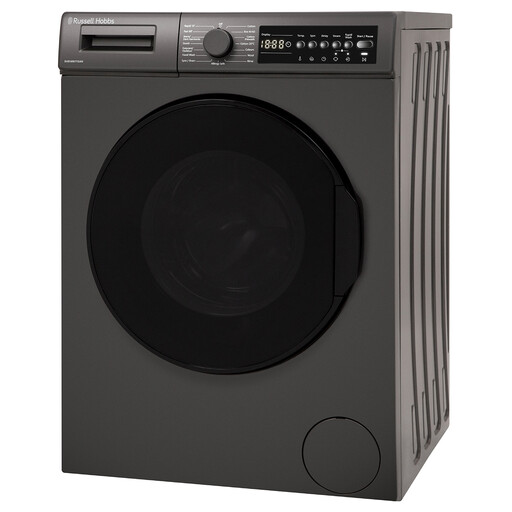 No image available
The 9kg drum is an option for housemates who can plan fuller loads. Check whether its short programme takes the load you need, and measure the available depth and access route before ordering.
No: choose capacity around the loads residents will actually combine and the times they can use the machine. An 8kg model may suit frequent smaller washes, while 9kg is worth considering for coordinated fuller loads; compare the exact models’ energy information and dimensions either way.
A lower-temperature programme can be an option for T-shirts that are not heavily soiled, provided their care labels allow it. Energy Saving Trust notes that lower temperatures use less energy in that situation; follow the garment instructions and account for the actual soiling.
Compare the energy label and product information sheet for the exact models, alongside capacity, programme limits, dimensions and spin-noise information. GOV.UK’s energy-information guidance covers labels displayed for products within its scope, including at online points of sale; a title’s rating alone does not describe your likely washing routine.
Check who owns the existing machine and what the tenancy agreement permits before arranging replacement or installation. GOV.UK advises tenants to carry out repairs only if their agreement says they can; discuss proposed work with the landlord or agent rather than assuming responsibility for an existing appliance.