
24/7 Customer Support

Free returns

Same-day & Next-day Delivery

Quality Guaranteed

Unlock Your Welcome Offers: FREE Delivery | Up to 80% OFF | Free 30-day JoyPlus trial
Download the APP
For any home baker, the moment of truth is turning out the cake. After hours of careful mixing and patient baking, the last thing you want is for your masterpiece to be ruined by a stubborn tin. This is especially true for delicate bakes like cheesecakes or flourless chocolate tortes. A quality 9 inch springform cake tin is designed to prevent this very disaster, but not all are created equal.
Many bakers find themselves disappointed by tins that promise much but deliver little. It's easy to be swayed by marketing claims, only to end up with a tin that fails after just a few uses. Before you buy, it's worth knowing the common pitfalls that can lead to wasted money and baking frustration.
To ensure your next bake is a success, focus on a few core parameters that define a reliable cheesecake pan or sponge tin. Understanding these will help you see past the hype and choose a tool that performs.
The defining feature of a springform tin is its easy release cake pan design. A metal collar with a latch wraps around a flat base. When you release the latch, the collar expands and can be lifted straight up, leaving the cake sitting perfectly on the base.
The material of your tin directly impacts how your cake bakes.
We have analysed the market to find products that align with these quality benchmarks, matching them to different types of bakers.
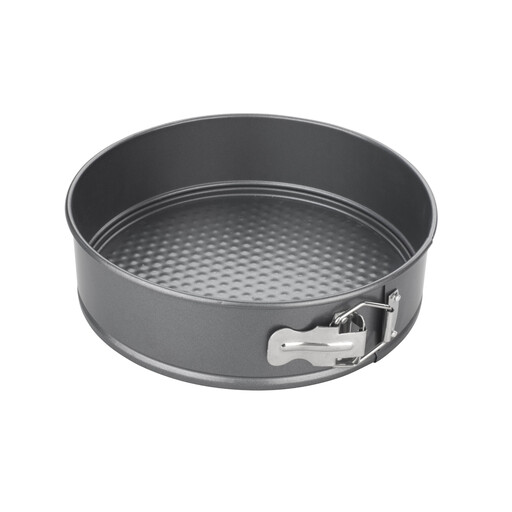
Why This Fits Their Persona: This is the ideal all-rounder for the UK home baker who enjoys making a variety of cakes, from classic Victoria sponges to creamy cheesecakes. It directly meets the need for a standard-sized, reliable springform tin without unnecessary complexity.
It features a sturdy steel clip designed to withstand repeated use, directly addressing the flimsy latch issue. The specified Goldflon non-stick coating provides a reliable release and is made without PFAS, PTFE or BPA.
Its main benefit is convenience. The combination of a reliable springform mechanism with the practicality of being dishwasher, fridge and freezer safe makes it a low-fuss, dependable tool for frequent baking.
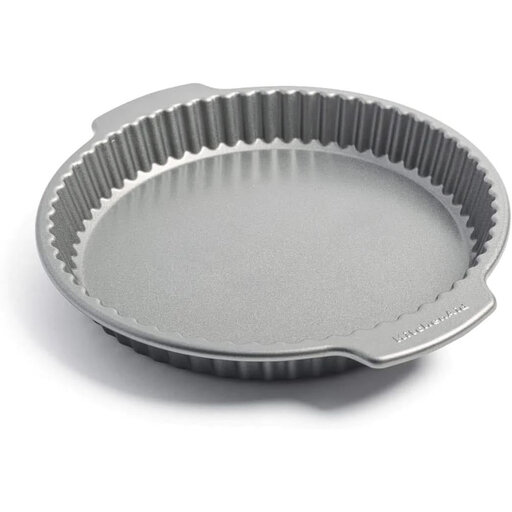
Why This Fits Their Persona: For the baker who specialises in shortcrust pastry, tarts and quiches, this pan offers a premium alternative. While not a springform, its loose-bottom design and fluted edges are purpose-built for creating professional-looking pastries.
It is constructed from 0.8mm thick aluminised steel, which actively prevents warping and provides the even heat distribution that thinner, cheaper tins lack. This ensures a perfectly crisp and evenly browned pastry case.
The key advantage is its superior construction for pastry. The heavy-gauge steel and non-stick surface deliver excellent baking performance, while the sculptured edge creates an attractive finish without extra effort.
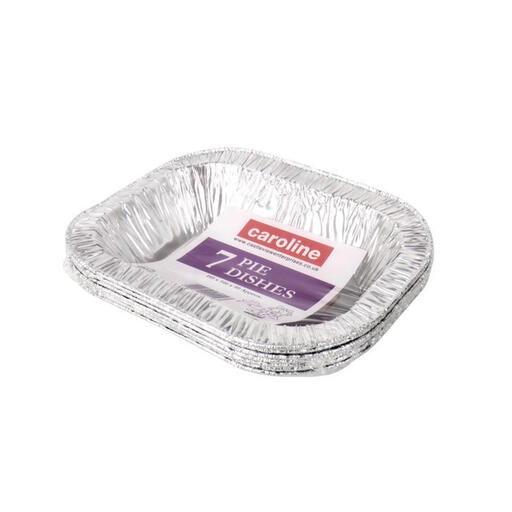
Why This Fits Their Persona: For those preparing for bake sales, parties or community events, these foil dishes offer a practical solution. They are perfect for when you need to bake, transport and serve multiple pies or tarts without worrying about getting your good bakeware back.
This option completely sidesteps the pitfalls of long-term wear and tear. As a single-use item, there are no concerns about latches breaking or non-stick coatings degrading over time. It prioritises convenience over permanence.
The primary advantage is efficiency. These dishes are ovenable, serve-ready and recyclable (where facilities exist), drastically reducing cleanup time and logistical hassle for event baking.
We have compiled a complete, real-time list of products that fully satisfy these strict selection criteria and UK safety regulations.
Many modern springform tins are advertised as dishwasher safe bakeware. However, the harsh detergents and high heat of a dishwasher can degrade non-stick coatings over time. To maximise the lifespan of your tin, it is often better to hand-wash it with a soft sponge and mild washing-up liquid. If you do use a dishwasher, placing it on the top rack is advisable. Always refer to the manufacturer's specific care instructions.
Leaks are a common frustration, especially with thinner batters. To prevent them, you can try a couple of methods. First, ensure the base is correctly seated in the groove of the collar before latching it shut. For extra security, especially for a water bath (bain-marie), wrap the outside of the tin's base and sides with a large, single piece of heavy-duty aluminium foil before placing it in the water.
Both are designed for easy removal, but they work differently. A loose bottom cake tin has a solid outer ring and a base that you push upwards from the bottom to release the cake. A springform tin has a collar that unlatches and expands, allowing you to lift the ring away from the base. Springform tins are generally considered more gentle for extremely delicate items like no-bake cheesecakes, as there is no upward pressure on the base.