
24/7 Customer Support

Free returns

Same-day & Next-day Delivery

Quality Guaranteed

Unlock Your Welcome Offers: FREE Delivery | Up to 80% OFF | Free 30-day JoyPlus trial
Download the APP
Replacing tired halogen lighting can make night driving feel more comfortable, but choosing the wrong 9005 HB3 LED headlight bulbs can lead to poor beam focus, dashboard warnings or an installation that does not fit behind the dust cover. Marketing often focuses on impressive lumen figures, while the details that affect everyday use receive less attention.
This guide explains what to check before buying 9005 LED bulbs, including beam alignment, cooling, CANbus compatibility and UK road-use considerations.
A large lumen number does not automatically mean better road illumination. The reflector or projector housing, LED chip position and bulb alignment determine how light is distributed. A poorly positioned chip can create dark areas or excessive glare for approaching drivers.
Look for a 1:1 replacement bulb that places the LED chips in a similar position to the original halogen filament. Correct seating and headlamp adjustment remain important after installation.
A plug-and-play design normally means the bulb connects to the original 9005/HB3 socket without cutting wires. It does not guarantee that every housing has enough rear clearance, or that every vehicle’s lighting control system will accept the replacement.
Some cars may show flickering or a bulb warning because of their electrical monitoring system. CANbus LED bulbs can reduce this risk, but “CANbus ready” is not a universal guarantee. Check the vehicle handbook, bulb position and fitment list before ordering.
LED bulbs produce less wasted energy than halogen bulbs, but they still generate heat around the LED chips. Fan-cooled LED bulbs use an active fan, while fanless versions rely on an aluminium heat sink.
A fan may offer active heat removal but introduces a moving component and possible operating noise. A fanless bulb can be useful where simplicity, compactness or limited rear space is more important. Waterproofing also matters for vehicles exposed to rain, road spray and dust.
The 9005 and HB3 designations generally refer to the same bulb fitting, but the vehicle application still needs checking. Confirm whether the socket is used for a high beam, low beam, driving light or fog light. A bulb designed for one housing may not produce a suitable beam in another.
For motorcycles, ATVs, trucks and other powersport vehicles, also check the operating voltage and available clearance. A pack of 2 LED bulbs is normally intended to replace both sides at the same time, helping maintain a consistent colour and output.
Most products in this category use 6000K LED bulbs or 6500K white LED bulbs. These produce a cool white appearance that many drivers prefer over the warmer tone of halogen lighting.
Colour temperature is not the same as brightness or beam quality. Very cool light can appear harsher in rain, mist or dirty lenses, so select based on the condition of your headlamp housing and typical driving routes rather than colour alone.
Useful specifications to compare include:
After installation, check the beam pattern on a level surface and arrange professional adjustment if the cut-off is uneven or appears too high. UK road-use requirements can vary according to the vehicle, lamp approval and retrofit type, so consult the vehicle handbook and relevant UK lighting and MOT guidance before using an LED conversion on public roads.
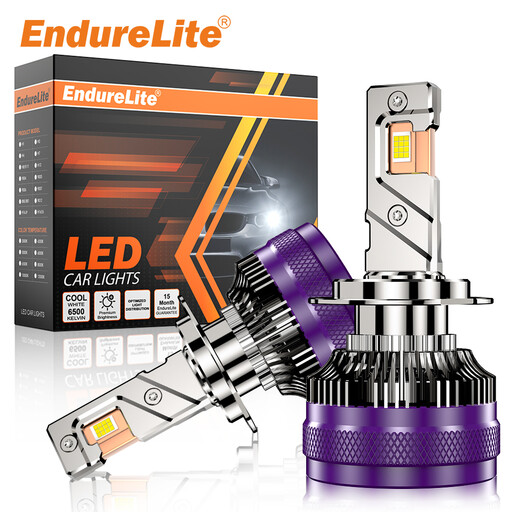
Why This Fits Their Persona: A straightforward option for DIY motorists seeking 6000K cool white light, a compact fit and a pack of two for matching replacement.
The listing specifies 1:1 sizing, plug-and-play fitting, IP68 protection and a built-in driver, rather than relying only on a brightness figure.
6000K colour, aluminium housing, cooling fan and CANbus-ready design.
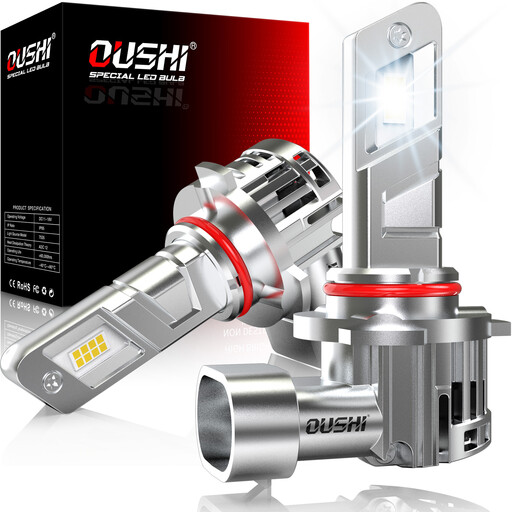
Why This Fits Their Persona: Suits drivers who prioritise a very cool white appearance, compact dimensions and an integrated cooling system for regular night driving.
Its stated 1:1 mini design addresses fitment concerns, while the CANbus system is intended to reduce flicker and error messages on compatible vehicles.
6500K colour, 1:1 construction, turbo fan cooling and no external driver listed.
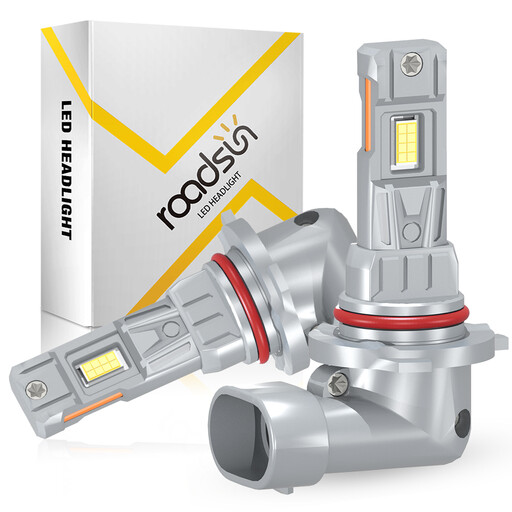
Why This Fits Their Persona: A practical match for trucks, SUVs, motorcycles and powersport vehicles exposed to rain, dust or off-road conditions.
The description lists a 1:1 design, plug-and-play installation and IP68 waterproof and dust protection, helping address fitment and weather-exposure concerns.
6000K light, fan cooling, stated 1:1 mini sizing and use across driving, fog and spot-light applications.
We have compiled a complete, real-time list of products that fully satisfy these strict selection criteria and UK safety regulations.
They commonly identify the same bulb fitting, but always confirm the vehicle’s socket and lamp position. A 9005/HB3 bulb may be used for a high beam, driving light or fog light depending on the vehicle design.
Many listings state service-life figures between 50,000 and 70,000 hours, but actual life depends on heat, voltage, vibration, installation and usage. Treat these figures as manufacturer or listing specifications rather than a guaranteed operating period.
LED bulbs generally use a different power level from halogen bulbs, but the saving for a typical vehicle may be modest because headlights are not continuously operated. The more practical benefits may be reduced replacement frequency and the preferred colour or lighting appearance, provided the bulb is correctly fitted and road suitable.