
24/7 Customer Support

Free returns

Same-day & Next-day Delivery

Quality Guaranteed

Unlock Your Welcome Offers: FREE Delivery | Up to 80% OFF | Free 30-day JoyPlus trial
Download the APP
Replacing tired halogen bulbs can make night driving feel clearer, but choosing 9005 HB3 LED headlight bulbs is not simply a matter of selecting the largest lumen figure. Product listings often use impressive brightness numbers, long lifespan claims and “universal fit” language that may not reflect how the bulb performs in your vehicle.
For UK drivers, the most common buying mistakes are:
This guide explains the practical specifications to check before selecting 9005 LED bulbs, HB3 LED bulbs or a complete LED headlight conversion kit.
9005 and HB3 are commonly used names for the same bulb fitting. However, the fitting alone does not confirm whether the bulb is used for high beam, low beam, fog lights or driving lights on your particular vehicle.
Before ordering, check:
Some vehicles use 9005/HB3 bulbs for high beam, while others use them for fog or auxiliary lighting. Do not rely solely on an online compatibility selector.
A bright bulb with a poor beam pattern can create scattered light, dark patches or glare for oncoming drivers. Look for 1:1 mini-size headlight bulbs with LED chips positioned similarly to the original halogen filament.
A compact design may also fit beneath the factory dust cover without modification. Descriptions such as “focused beam”, “ultra-thin chip spacing” and “original beam simulation” are useful indicators, but the result still depends on the reflector or projector design in your vehicle.
After installation, check the beam pattern against a wall and have the headlamps aimed correctly. A brighter light is not useful if it is pointing too high.
LED chips produce heat around their base. Fan-cooled LED bulbs typically use an aluminium body and an integrated turbo fan to move heat away from the chips. Fanless models use a larger or shaped heatsink and have no moving fan to produce noise or wear.
Listings may state operating lives of 50,000, 60,000 or even 70,000 hours. Treat these figures as advertised specifications rather than a guarantee of service life in every UK vehicle. Heat inside a tightly enclosed headlamp, vibration, voltage variation and frequent use can affect durability.
For a fan-cooled bulb, check the available clearance and consider whether fan noise matters to you. For a motorcycle, ATV or powersport vehicle exposed to dust and vibration, confirm the bulb’s stated weather protection and construction.
Some modern vehicles monitor bulb current and may show a dashboard warning, flicker or switch the light off after an LED conversion. CANbus-ready LED bulbs include driver electronics intended to reduce these issues, but “99% compatibility” should not be treated as universal compatibility.
Sensitive vehicles may still need an additional decoder or resistor. These can generate heat and should only be installed as instructed. Check for radio interference, warning lights and stable operation after fitting.
For UK road use, also check whether the specific retrofit bulb and headlamp combination is permitted for your vehicle and application. Approval requirements can differ between headlamp types and vehicles, and an installation that creates glare may cause an MOT issue even if the bulb fits physically.
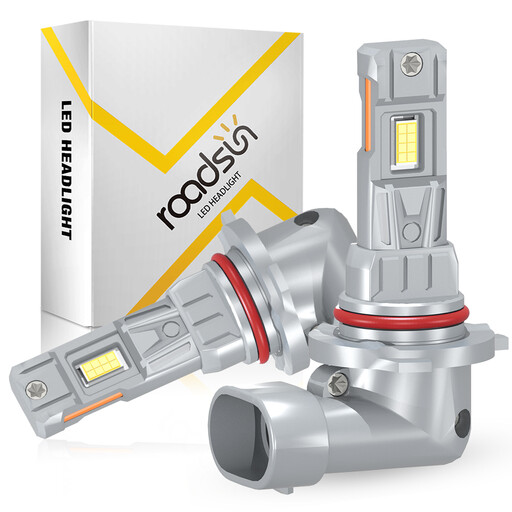
Why This Fits Their Persona: The 1:1 mini format and direct installation suit DIY motorists who want a straightforward upgrade for a car, SUV, truck or powersport vehicle.
Its stated 1:1 size addresses clearance concerns, while the listing specifies plug-and-play fitting rather than requiring wiring changes.
6000K cool white output, aluminium construction, stated waterproof, dustproof and shockproof design, and a claimed 70,000+ hour operating life.
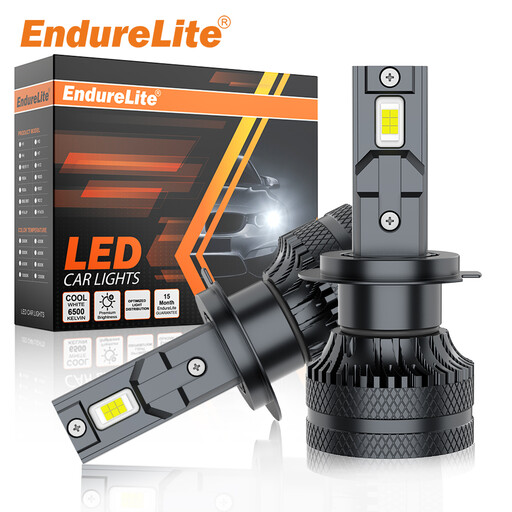
Why This Fits Their Persona: Drivers prioritising beam positioning and electrical convenience may prefer this all-in-one kit for regular commuting and motorway use.
The listing specifies 1:1 beam-pattern technology, a built-in driver and CANbus-ready operation, helping address concerns about scattered light and warning messages.
5570 CSP chips, integrated 10,000 RPM fan, IP68 waterproof rating and a stated 50,000-hour operating life.
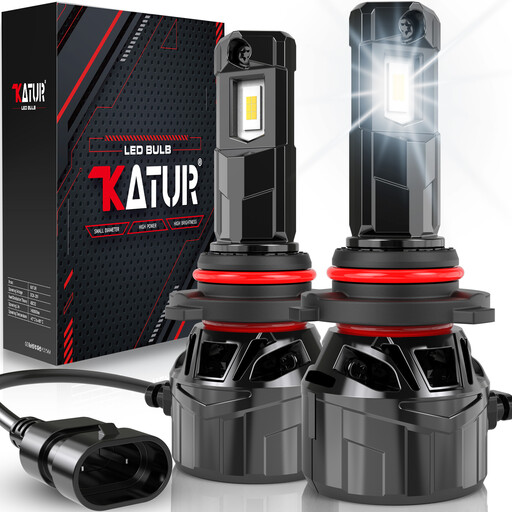
Why This Fits Their Persona: A fan-cooled design suits drivers who use their headlights frequently, including high-mileage commuters, SUV owners and off-road or powersport users.
The stated 1:1 body and built-in driver reduce the need for external adaptors, while the cooling system addresses heat management in frequent-use applications.
The listing specifies a 16,000 RPM turbo fan, 9–32V operating range, 6000K colour temperature and a claimed 60,000-hour lifespan.
We have compiled a complete, real-time list of products that fully satisfy these strict selection criteria and UK safety regulations.
They are generally interchangeable names for the same fitting, but vehicle applications vary. Confirm the original bulb number and socket before purchasing.
Manufacturers commonly publish figures from 50,000 hours upwards. Actual service life can vary with heat, voltage, vibration, weather exposure and how often the lights are used.
They may use less power for a comparable lighting application, but the exact consumption depends on the bulb design. Check the listed wattage and your vehicle’s electrical requirements rather than assuming every LED conversion is more economical.
6000K produces a cool white appearance, but colour temperature does not confirm legality or beam suitability. Check the bulb’s approval information, your headlamp type and the applicable UK road-use requirements before fitting.