
24/7 Customer Support

Free returns

Same-day & Next-day Delivery

Quality Guaranteed

Unlock Your Welcome Offers: FREE Delivery | Up to 80% OFF | Free 30-day JoyPlus trial
Download the APP
Replacing dim or ageing halogen lamps with 9005 HB3 LED headlight bulbs can improve perceived brightness, but selecting the right replacement involves more than comparing lumen figures. A bulb may fit the socket yet still create installation, compatibility or beam-pattern problems.
This guide explains the key specifications to check and presents our top recommendations for different vehicle owners, including car, van, SUV, truck and powersport users.
Product listings often promote very large lumen numbers. However, brightness on the road also depends on the headlamp housing, LED chip position, reflector or projector design and beam control. A poorly aligned bulb can create scattered light, dark areas or glare for oncoming drivers.
Look for 1:1 LED replacement bulbs that position the chips similarly to the original halogen filament. After installation, check the beam pattern against a wall and have the headlamps correctly aligned if necessary.
A 9005 or HB3 base does not guarantee that every bulb will work perfectly with every vehicle. Some cars monitor bulb resistance and may show a dashboard warning, flicker or switch the bulb off. This is particularly relevant to vehicles with sensitive electrical systems.
CANbus-ready headlight bulbs can reduce the likelihood of these issues, but “CANbus-ready” is not the same as guaranteed compatibility. Check your vehicle handbook, original bulb marking and available product notes before ordering. Some models may still require an additional decoder.
LED chips produce heat even when the light feels cool from the front. Fan-cooled LED bulbs use a small motor and heat sink to move heat away from the LED assembly, while fanless designs rely on passive heat dissipation.
Before buying, check whether the rear of the housing has room for a fan, heat sink or driver. A bulb that fits the socket may not fit under the dust cover.
9005 and HB3 are commonly used to describe the same bulb format, but the actual application varies by vehicle. Depending on the model, the bulb may be used for high beam, low beam, daytime running light, driving light or fog light applications.
Check:
Do not rely solely on a generic “universal fit” statement.
Many 6000K cool white headlight bulbs produce a crisp white appearance that is visually different from warm halogen lighting. Some products list 6500K, which appears slightly cooler and may have a more bluish tone.
Colour temperature does not alone determine useful road illumination. Beam focus, chip placement and headlamp condition are equally important. A clean lens and correctly aimed housing can make a noticeable difference to usable light.
Check the stated voltage range and whether the power figure applies per bulb or per pair. Several products list combined pair output, so comparing figures without checking this detail can be misleading.
Useful construction features include:
Long operating-life figures are manufacturer specifications rather than a guarantee of service life in every vehicle. Heat, vibration, moisture and usage conditions all affect durability.
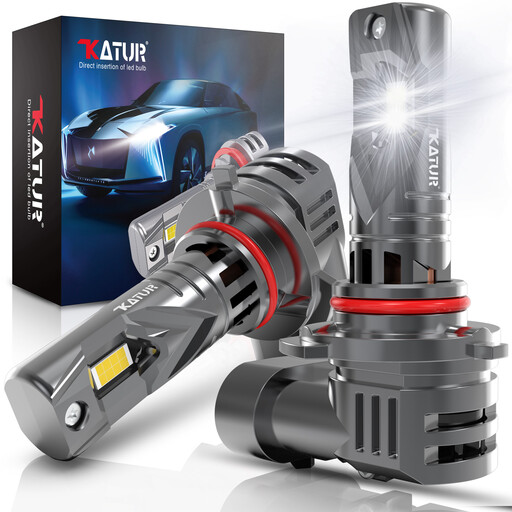
Why This Fits Their Persona: A compact option for drivers seeking a straightforward 6000K upgrade for a compatible car, van or SUV without adding bulky wiring.
Its listed 1:1 mini design and built-in CANbus system address common fitment and wiring concerns, although sensitive vehicles may still display an error.
6000K xenon-white output, 16,000RPM turbo fan and 1:1 socket design are listed features.
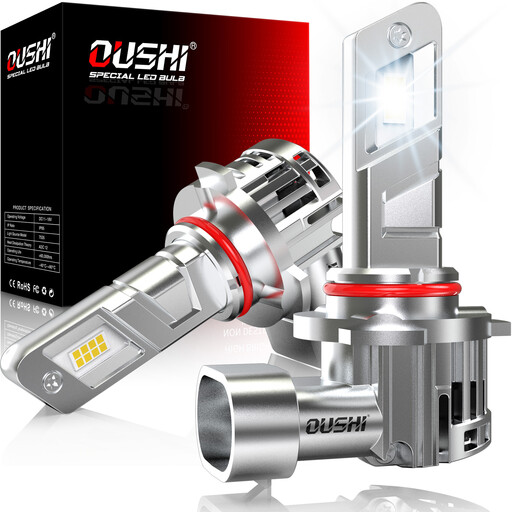
Why This Fits Their Persona: Suitable for motorists who want a small, direct-fit replacement and are prepared to check CANbus requirements carefully before installation.
The product description lists a 1:1 mini form, integrated driver and CANbus system, while noting that some models may need an additional decoder.
6500K xenon-white colour, integrated high-speed fan and no external driver are specified.
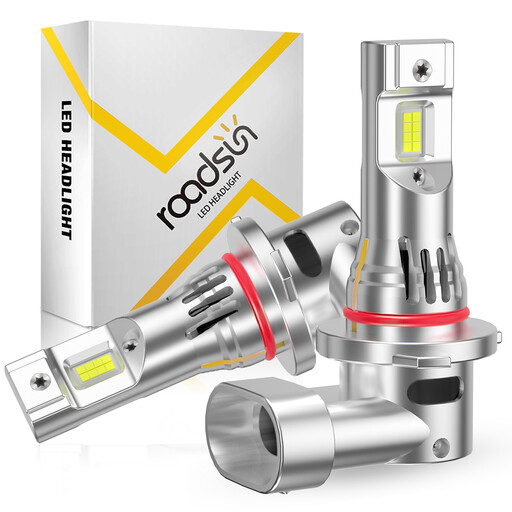
Why This Fits Their Persona: A practical match for frequent night drivers and owners of trucks, SUVs or powersport vehicles who prioritise active cooling and a direct replacement format.
Its listed 1:1 plug-and-play format reduces modification risk, while the turbo fan and aluminium housing address heat management.
The product listing specifies CSP chips, turbo-fan cooling, 6500K white light and a stated 50,000-hour operating life.
We have compiled a complete, real-time list of products that fully satisfy these strict selection criteria and UK safety regulations.
Before fitting LED headlight bulbs:
In the UK, aftermarket lighting must be suitable for the vehicle and intended road use. A bulb being advertised as plug and play does not automatically confirm approval for every headlamp housing or application. Check current UK requirements, your vehicle handbook and MOT implications before using an LED conversion on public roads.
They commonly refer to the same bulb format and connector, but fitment still depends on the vehicle and lighting position. Confirm the original bulb number before ordering.
No. CANbus-ready designs can improve compatibility with monitored vehicle systems, but some cars may still require a decoder or resistor. Check the product notes and test the bulbs after installation.
The fan uses a small amount of electrical power, while the bulb’s total consumption depends on its rated wattage. Compare the stated wattage per pair and vehicle charging system rather than relying only on brightness claims.