
24/7 Customer Support

Free returns

Same-day & Next-day Delivery

Quality Guaranteed

Unlock Your Welcome Offers: FREE Delivery | Up to 80% OFF | Free 30-day JoyPlus trial
Download the APP
Upgrading your car's headlights can feel like a simple task, but the market for 9005 LED headlight bulbs is filled with confusing specifications and bold marketing claims. Many UK drivers invest in a 9005 headlight bulb upgrade hoping for brighter, safer night-time driving, only to be disappointed by poor performance or unexpected issues. As a Joybuy Product Recommendation Officer, my role is to help you navigate these choices and find a solution that genuinely improves your visibility without causing problems down the road.
Before you make a purchase, it's important to be aware of a few common pitfalls that can lead to wasted money and frustration:
To avoid these issues, focus on the functional specifications that actually matter. Here are the three non-negotiable parameters to verify when choosing HB3 LED bulbs.
The single most important factor for a successful upgrade is the beam pattern. A good LED bulb should replicate the precise light output of the original halogen bulb it replaces.
An LED's longevity is directly tied to its ability to dissipate heat. Without an effective cooling mechanism, even the most powerful LED chip will degrade quickly.
For any car manufactured in the last 15-20 years, CANbus compatibility is essential. A simple bulb swap can trigger error messages if the car's computer detects a change in power consumption.
Based on these critical criteria, we've matched a few options from our catalogue to different driver profiles.
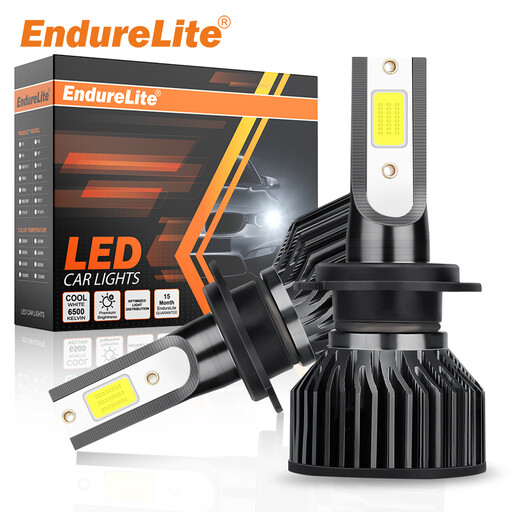
Why This Fits Their Persona: Ideal for the UK driver who wants a straightforward and noticeable improvement over dim halogen bulbs for daily driving and motorway commutes. The focus is on reliability and ease of installation without needing to be the absolute brightest on the market.
This bulb prioritises a perfect beam pattern with its 1:1 design, avoiding the glare trap. Its integrated CANbus driver and active fan cooling system directly address the common pitfalls of electronic errors and premature failure.
A true plug and play headlight bulb that requires no modification. The 6000K car light bulbs provide a modern, crisp white light that improves visibility of road signs and markings.
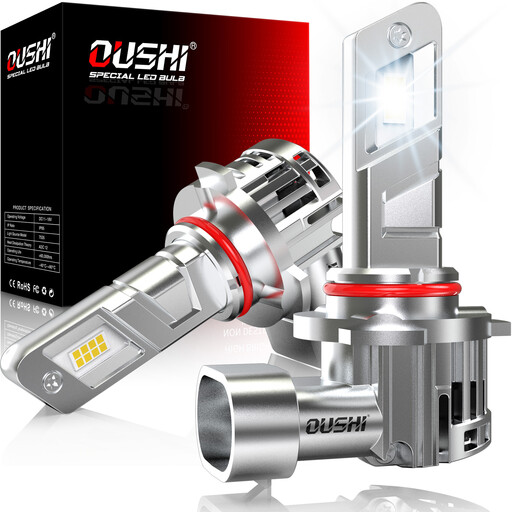
Why This Fits Their Persona: For the DIY enthusiast who wants maximum illumination on dark B-roads and unlit country lanes. This user values high-lumen output but understands it must be paired with quality engineering for longevity and safety.
Despite its high brightness, it maintains a 1:1 mini size to ensure a correct beam pattern. It tackles the heat issue head-on with a high-speed turbo fan and an aviation aluminium body, designed to sustain performance and reach its advertised lifespan.
Delivers exceptionally bright car headlights with a wider and farther lighting range. The latest generation CANbus system offers enhanced compatibility, making it a more reliable choice for modern European vehicles.
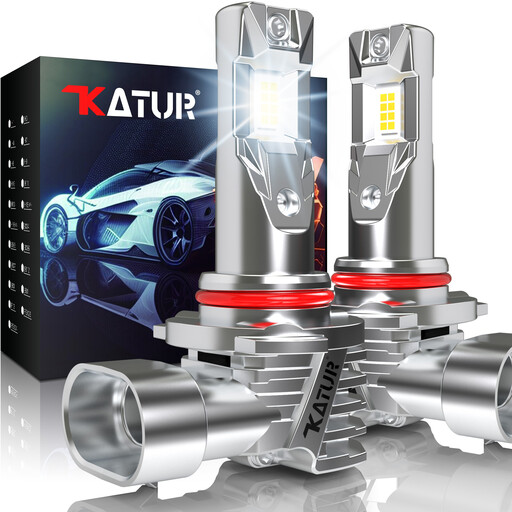
Why This Fits Their Persona: Perfect for those who prioritise long-term reliability and silent operation. The fanless design eliminates a mechanical moving part, reducing the risk of failure from dust, mud or water ingress—a key consideration for rural drivers or those in areas with harsh weather.
It sidesteps the lifespan trap of fan failure by using a robust passive cooling system. Its all-in-one mini design ensures it fits correctly into the housing, maintaining the integrity of the headlight's weather sealing.
The fanless design ensures silent operation and enhanced durability. The 6063 aviation aluminium body provides excellent passive heat dissipation, contributing to a long and stable operational life.
We have compiled a complete, real-time list of products that fully satisfy these strict selection criteria and UK safety regulations.
The legality of aftermarket LED headlight bulbs in the UK is a nuanced topic. Officially, fitting LED bulbs into a headlight unit designed for halogen bulbs is not type-approved, and they are often designated for "off-road use only." However, whether a vehicle passes its MOT depends on the inspector's assessment of the beam pattern. If the bulb produces a clean, correct beam pattern without causing glare, it may pass. It is the vehicle owner's responsibility to ensure their lights are compliant. We always recommend checking the latest DVSA guidelines and ensuring your headlights are correctly aligned after installation.
Not always. Many CANbus ready LED bulbs with integrated drivers work flawlessly on over 95% of vehicles. However, some cars, particularly from German brands like Audi, BMW and Mercedes-Benz, or other European makes like Volvo, have extremely sensitive monitoring systems. For these models, an additional external CANbus decoder may be required to completely eliminate dashboard warning lights or flickering.
For most vehicles, the process is very straightforward. Plug and play headlight bulbs are designed to be a direct replacement for your factory bulbs. The process typically involves opening the bonnet, locating the back of the headlight housing, removing the dust cover and then twisting and removing the old bulb. The new LED bulb is then inserted and twisted to lock it in place. No special tools or wiring modifications are usually needed. Always ensure the vehicle is off and the old bulbs have had time to cool down before you begin.