
24/7 Customer Support

Free returns

Same-day & Next-day Delivery

Quality Guaranteed

Unlock Your Welcome Offers: FREE Delivery | Up to 80% OFF | Free 30-day JoyPlus trial
Download the APP
Replacing halogen bulbs with 9005 LED headlight bulbs can give a whiter appearance, quicker illumination and a longer replacement interval. However, choosing by lumen figures alone can lead to wasted money, poor beam control or dashboard warnings.
For UK drivers, the bulb must match the vehicle’s socket, headlight housing and electrical system. A 9005 bulb is also commonly identified as an HB3 bulb, but that does not automatically mean every 9005/HB3 LED bulb suits every car. Check the vehicle handbook, original bulb marking and the manufacturer’s compatibility information before ordering.
Large lumen numbers may look attractive, but they do not describe beam focus, glare control or usable illumination on the road. A poorly positioned LED chip can create dark areas or scatter light towards oncoming traffic.
Look for a 1:1 halogen replacement design, thin chip placement and clear information about beam alignment. After installation, the headlight aim should be checked rather than assuming a plug-and-play fit guarantees the correct pattern.
A 9005/HB3 fitting may physically connect to the socket but still produce flickering, error messages or radio interference on some vehicles. Cars with sensitive monitoring systems may need a decoder or additional CANbus equipment.
CANbus-ready LED bulbs can reduce compatibility problems, but “ready” does not mean guaranteed for every model. European vehicles with bulb monitoring systems can require additional checks.
LED chips produce heat at the rear of the bulb. A fan-cooled design may provide active heat management, while a fanless bulb avoids moving parts and operating noise. Neither design is automatically suitable for every housing.
Before buying, check whether the bulb’s rear section and cooling system fit under the original dust cover. A bulb that cannot dissipate heat properly may suffer reduced output or a shorter working life.
The target fitting is 9005/HB3, but the bulb’s function varies between vehicles. Some cars use 9005 for main beam, while others use it for daytime running lights or fog lamps. Do not assume that a product described as a main and dipped-beam LED bulb will provide both functions in your specific housing.
If you need LED fog light bulbs, check the vehicle handbook and the product description separately. The headlight housing, reflector design and approved use all matter.
Many products use 6000K cool white bulbs, while others are rated at 6500K. These shades appear whiter or slightly bluer than traditional halogen lighting. Colour temperature does not, by itself, prove that a bulb produces more useful road illumination.
For UK driving in rain, mist and dark rural conditions, prioritise beam pattern and controlled light distribution over a particularly blue appearance. Excessive glare can create problems for other road users and may indicate that the bulb is unsuitable for the housing.
Useful specifications include:
Always switch off the vehicle and allow the original bulbs to cool before installation. Gloves can help prevent burns and keep oils away from the bulb surface. Once fitted, check both sides for flickering, warning lights and correct beam alignment.
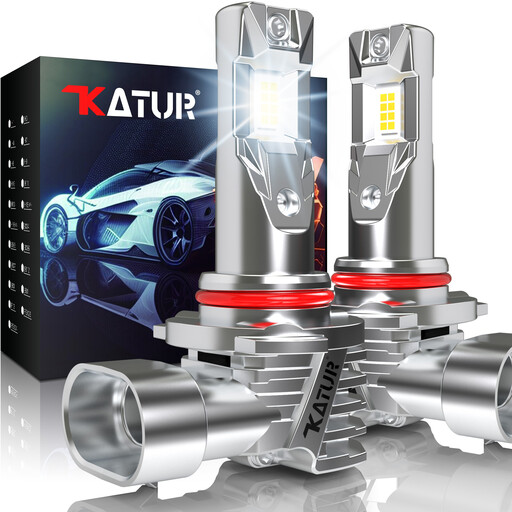
Why This Fits Their Persona: A compact option for drivers seeking a straightforward 9005/HB3 replacement without an external driver or bulky wiring. Its fanless design may suit vehicles where rear housing space is limited.
The 1:1 mini format is intended to fit the factory socket without an external driver. Check housing clearance and vehicle compatibility before purchase.
6000K white output, fanless construction and plug-and-play installation are listed features.
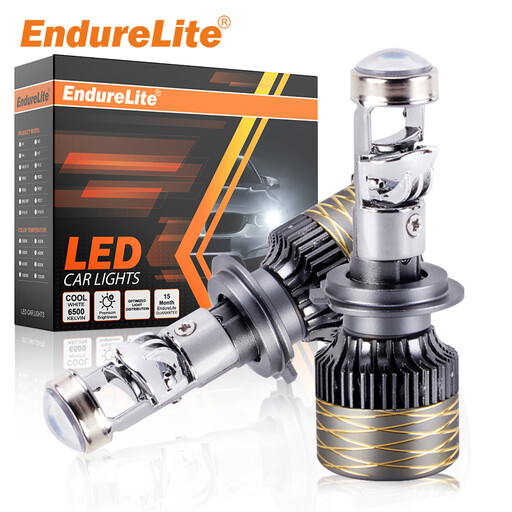
Why This Fits Their Persona: Suited to motorists who prioritise a focused beam design, active cooling and compatibility features for regular night driving.
Its listed 1:1 beam technology and built-in CANbus-ready driver address two common concerns: scattered light and dashboard warnings.
6000K cool white output, CSP chips, IP68 construction and a built-in fan are stated features.
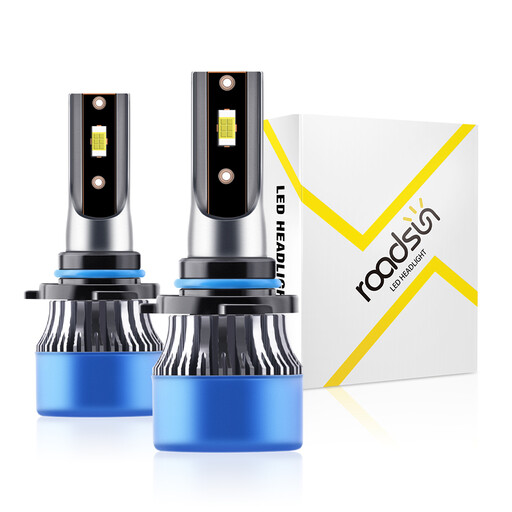
Why This Fits Their Persona: A practical match for drivers of cars, SUVs, lorries, motorcycles or powersport vehicles using 9005/HB3 sockets in wet UK conditions.
The product lists plug-and-play installation, 1:1 sizing, an integrated fan and IP68 protection, helping address fitting, heat and weather-resistance concerns.
6000K colour temperature, fan cooling and a stated IP68 waterproof rating.
We have compiled a complete, real-time list of products that fully meet these strict selection criteria and UK safety regulations.
A genuine plug-and-play LED bulb should connect to the original socket without cutting wires, but installation still needs care:
The UK MOT checks headlamp condition, aim and beam pattern. A bulb’s advertised brightness does not guarantee compliance, so consult the vehicle handbook and current official guidance where road legality is uncertain.
They are commonly used as equivalent fitting names, but vehicle applications can differ. Confirm the original part number and the required beam function before buying.
LED bulbs may have a different wattage, but actual energy use depends on the specific product and vehicle circuit. Check the listed wattage and do not assume that a higher lumen figure means lower running cost.