
24/7 全天候客户支持

免费退货

当日/次日达

品质保障

开启新人专享福利: 全场免邮 | 低至 2 折 | 免费试用 30 天 JoyPlus 会员
下载 Joybuy
A 9kg heat pump tumble dryer can make a noticeable difference to a busy household’s laundry routine. The drum is large enough for regular family loads, towels, bedding and bulkier garments, while heat pump technology dries at lower temperatures than many traditional condenser dryers.
However, the headline specification does not tell the whole story. A high capacity, smart app or impressive energy label may be less useful if the appliance is too deep for your utility room, too noisy for an open-plan home or difficult to maintain. This guide explains the key checks to make before buying and highlights suitable options for different UK household needs.
A 9kg rating refers to the maximum permitted dry laundry weight, not necessarily the ideal size for every programme. Bulky bedding needs room to move, and overloading can extend drying times or leave damp areas.
Check the manufacturer’s guidance for bedding, mixed fabrics and rapid cycles. Loading items loosely rather than compressing them against the drum is also important for airflow.
An A+++ tumble dryer or A++ tumble dryer may appear attractive, but the label alone does not tell you precisely what your household will spend. Actual use depends on load size, programme selection, moisture left by the washing machine and how frequently you dry clothes.
Heat pump models generally recycle warm air and use lower drying temperatures. Compare the energy label information, stated consumption and expected usage rather than relying only on the letter rating. The Russell Hobbs RH9HPTD1E12W, for example, is listed with an E rating, while several Candy, Hoover and Samsung models carry A++ or A+++ ratings.
A smart tumble dryer with Wi-Fi may provide cycle notifications, remote monitoring and additional programmes through an app. These features can be useful when laundry is often left unattended, but they do not automatically improve drying results.
If connectivity matters, check whether the appliance requires Wi-Fi, Bluetooth, a specific app or account registration. If you mainly want straightforward drying, sensor control, delay start and anti-crease functions may offer more practical value.
A heat pump tumble dryer recirculates warm air within a closed system. It usually dries at a lower temperature and does not require an external vent, making it suitable for many UK utility rooms and kitchens. Cycles can take longer than some conventional dryers, so check whether the machine includes a suitable express or rapid programme.
A standard condenser tumble dryer collects moisture in a tank but may use a different heating system. It can still be convenient, although energy use and fabric-care characteristics vary between models.
Sensor dry technology detects moisture and stops or adjusts the cycle when the selected dryness level is reached. This can help avoid unnecessary continued heating, but the result still depends on correct loading and selecting a programme suited to the fabric.
Most freestanding 9kg models are around 85cm high and 60cm wide, but depth varies. Examples in this selection range from approximately 58.5cm to 61cm. Measure the route into the property, door openings and the final installation space, allowing clearance for ventilation and door movement.
Check whether the water tank is front-mounted, built into the door or suitable for automatic drainage. Emptying the tank after each cycle may be necessary unless a drainage connection has been installed.
Noise levels around 60–68dB are listed for the models below. A lower figure may be preferable in an open-plan home or when drying near bedrooms, but placement, flooring and vibration also affect perceived noise.
Useful programme features include:
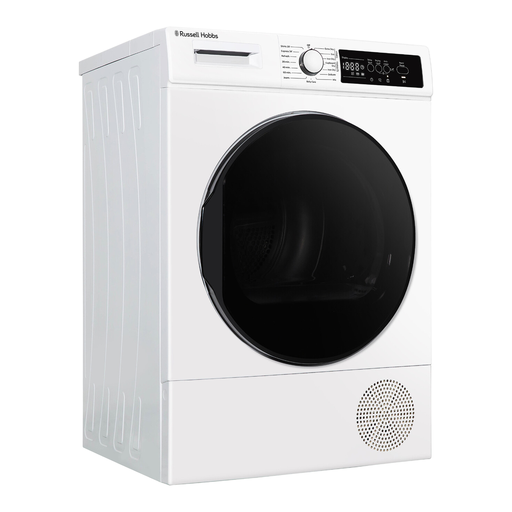
Why This Fits Their Persona: A straightforward freestanding dryer for households wanting a 9kg capacity, clear LED controls and practical everyday programmes without app connectivity.
Its listed features focus on useful controls rather than unnecessary connected functions: 15 programmes, three dryness levels, delay start and anti-crease operation.
9kg drum, 34-minute express cycle, 20-minute shirt cycle, child lock and a listed 1-year guarantee.
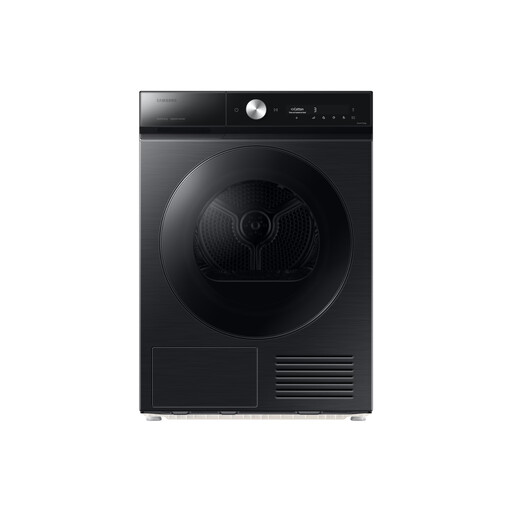
Why This Fits Their Persona: Suitable for shoppers prioritising connected controls, a broad programme selection and a lower listed noise level for regular family laundry.
The listed specification identifies the app, cycle count, noise level and warranty terms, making it easier to compare tangible features rather than vague smart claims.
A+++ rating, 23 programmes, Wi-Fi through SmartThings, four dryness levels and a listed 60dB noise level.
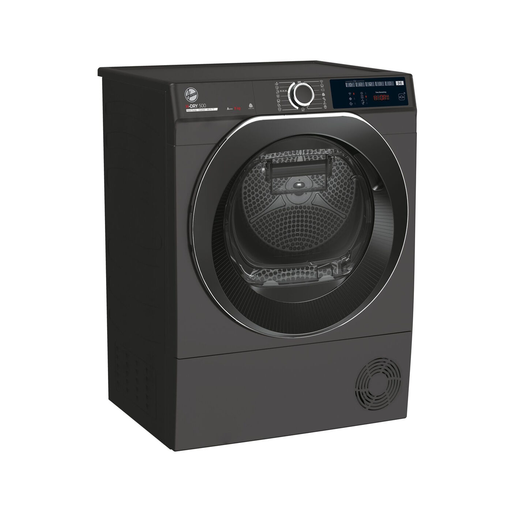
Why This Fits Their Persona: A practical match for families drying large quantities of clothing, towels and bedding throughout the week.
Its specification lists sensor drying, multiple special cycles and an in-door water tank, helping address over-drying and inconvenient tank access.
A+++ rating, 9kg capacity, Wi-Fi and Bluetooth, sensor drying, 66dB listed noise level and up to 24-hour delay start.
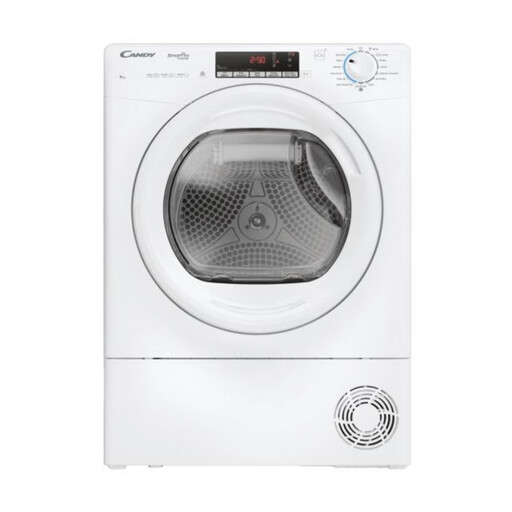
Why This Fits Their Persona: Useful for busy homeowners who want cycle notifications, additional app programmes and an easy-to-check water container.
The Wi-Fi and Bluetooth functions are paired with stated app features, while sensor drying is specified separately rather than being implied by connectivity.
A+++ rating, 14+ programmes, 24-hour delay start, anti-crease function and integrated EasyCase water container.
Before ordering a freestanding tumble dryer, confirm the following:
We have compiled a complete, real-time list of products that fully satisfy these strict selection criteria and UK safety regulations.
For many UK families, yes. A 9kg drum can accommodate larger everyday loads, towels and some bedding. Always check the programme’s permitted load because delicate or rapid cycles may accept less than 9kg.
They are designed to recycle warm air and operate at lower temperatures, which can reduce electricity consumption compared with some conventional dryers. Your actual cost depends on the appliance’s label information, cycle choice, load size, electricity tariff and usage frequency.
Lifespan depends on build quality, usage and maintenance. Cleaning the lint filter, keeping airflow clear, emptying the tank and following the manual’s heat-exchanger guidance can help maintain performance. Check the supplied guarantee and any registration requirements before purchase.