
24/7 全天候客户支持

免费退货

当日/次日达

品质保障

开启新人专享福利: 全场免邮 | 低至 2 折 | 免费试用 30 天 JoyPlus 会员
下载 Joybuy
Navigating the world of washing machines can feel overwhelming. With rising energy costs and a sea of technical jargon, it is easy to make a purchase you later regret. Many UK households are drawn to the promise of an A rated washing machine, but not all 'A' ratings are created equal, and some common pitfalls can lead to wasted money and frustration.
As a Joybuy Product Recommendation Officer, my role is to help you sidestep these issues. This guide cuts through the jargon to focus on what truly matters, ensuring you find an appliance that fits your home, your budget and your lifestyle.
Before looking at models, be aware of these frequent purchasing mistakes:
To make a smart investment, focus on these core specifications. They determine a machine's efficiency, practicality and long-term value.
Since 2021, the energy rating system has been rescaled from A to G, making it much stricter. An A rated washing machine under this new system is a truly energy efficient washing machine.
Choosing the right drum size and external dimensions is essential for daily convenience.
Beyond the basics, certain features can make a real difference to your laundry routine.
Here are a few models that align with specific UK household needs, chosen for their practical features and strong performance metrics.
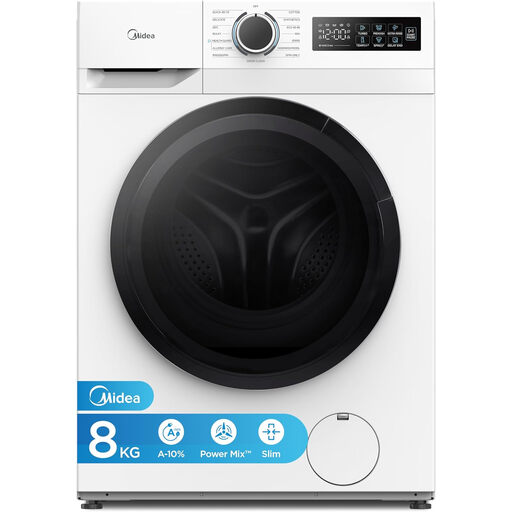
Why This Fits Their Persona: This model is an excellent all-rounder for couples or small families living in modern UK homes where kitchen or utility space is at a premium. It offers a generous 8kg drum without demanding a large footprint.
Its slim depth of approximately 47.5cm directly solves the "Capacity vs. Depth" pitfall, allowing it to fit neatly under standard worktops without protruding.
Features a quiet and durable inverter motor, steam-assisted cleaning for hygiene and quick wash cycles (15 & 45 mins) for when you are in a hurry.
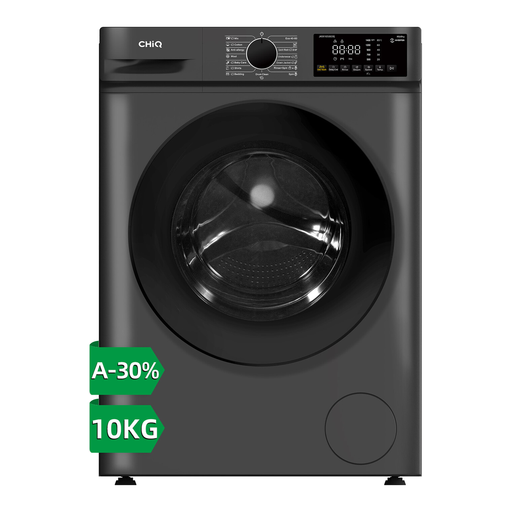
Why This Fits Their Persona: With its huge 10kg capacity, this machine is built for the demands of a large, busy family. It can handle the weekly mountain of laundry, school uniforms and even king-size duvets in a single cycle.
This model directly addresses the "Cost Per 100 Cycles" pitfall. Its exceptional A-30% rating means it uses approximately 30% less energy than a standard A-rated machine, delivering substantial long-term savings.
Top-tier energy efficiency (only 46 kWh/100 cycles) combined with a massive drum and a 12-year motor warranty makes this a reliable and economical workhorse.
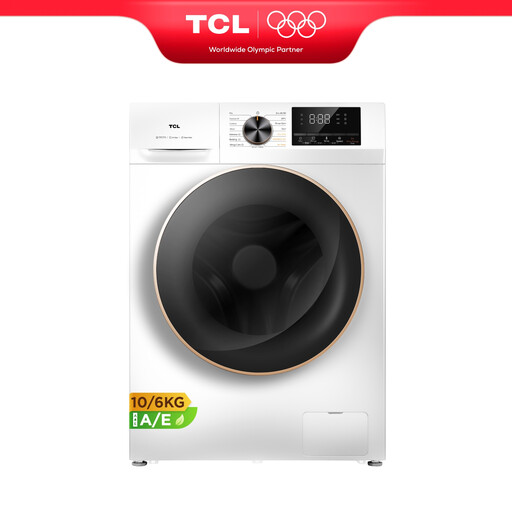
Why This Fits Their Persona: For those in flats or homes without the room for two separate appliances, this washer dryer offers the ultimate convenience. It provides a very large 10kg wash capacity and a 6kg drying capacity in a single footprint.
This choice is transparent about the "Washer-Dryer Illusion". It has an excellent A-rated wash cycle for efficiency, but you are aware its combined wash-and-dry cycle is rated E, allowing for an informed decision.
Offers the convenience of washing and drying in one go, with a very large drum, a hygienic steam wash and a fast "Wash & Dry 60 min" cycle.
We have compiled a complete, real-time list of products that fully satisfy these strict selection criteria and UK safety regulations.
1. How much can I really save with an A-rated washing machine? The savings can be substantial. An A-rated machine using 46 kWh per 100 cycles will cost significantly less to run than an older D-rated model which might use 70-80 kWh for the same number of washes. Over the 10-12 year lifespan of the appliance, this difference can amount to hundreds of pounds saved on your electricity bill.
2. What is the average lifespan of a modern washing machine? A modern washing machine typically has a lifespan of 10 to 13 years. Models featuring brushless or inverter motors often have better longevity as they have fewer moving parts to wear out. Many manufacturers now offer extended warranties on these motors (often 10 or 12 years), which is a good indicator of their confidence in the product's durability.
3. Is a steam function in a washing machine worth it? For many households, yes. A washing machine with a steam function offers three key benefits. Firstly, it helps to sanitise laundry and remove allergens, which is great for families with children or allergy sufferers. Secondly, it can refresh lightly worn clothes without a full wash, saving water and energy. Finally, it relaxes the fabric fibres, which significantly reduces creasing and makes ironing much easier.