
24/7 全天候客户支持

免费退货

当日/次日达

品质保障

开启新人专享福利: 全场免邮 | 低至 2 折 | 免费试用 30 天 JoyPlus 会员
下载 Joybuy
An A-rated washing machine can help reduce electricity use, but the efficiency label is only one part of a sensible purchase. UK households also need to consider drum capacity, installation depth, spin performance, noise, programme options and long-term convenience.
Marketing can make these appliances seem more complicated than they are. Before comparing freestanding washing machines, watch out for three common buying traps:
Capacity is measured in kilograms of dry laundry. As a practical guide:
A large-capacity washing machine is not automatically more economical if you regularly wash only a few garments. Select a size that reflects your typical weekly laundry rather than occasional loads.
The current UK appliance label uses an A–G energy efficiency scale, with A indicating the most efficient class on that scale. Compare the stated energy consumption per 100 cycles where available, as two A-rated models may still have different consumption figures.
Load sensing and automatic weighing can adjust water use or programme duration for smaller loads. However, actual costs also depend on wash temperature, cycle choice, electricity tariff, load size and how often you use the machine.
A 1400rpm washing machine removes more water during the final spin than a 1200rpm model in suitable programmes, which may help laundry dry more quickly. It does not mean every fabric should be spun at the maximum speed; delicates and wool often need gentler settings.
For open-plan homes or appliances used near bedrooms, check the stated spin noise level in decibels. For example, the Haier HW10GBD14979SUUK lists 69dB during spin, while the Sharp 8kg model lists 76dB.
Measure the full installation space, including hose connections, door opening and any protruding control panels. Standard width is often close to 600mm, but depth varies considerably. Slim freestanding washing machines such as the Gorenje 6kg model measure 415mm deep, while larger machines may need around 570–600mm.
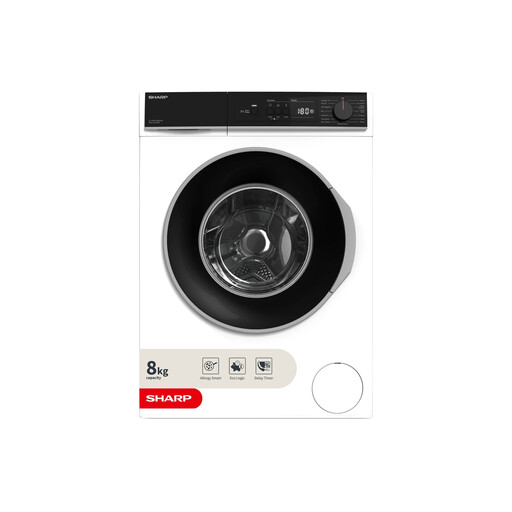
Why This Fits Their Persona: Its 8kg capacity suits many couples and medium households without moving into larger-drum pricing or space requirements.
The clearly specified 8kg drum, A rating and 1400rpm speed make comparison easier than relying on vague efficiency wording.
Inverter motor, 15 programmes, 15/30-minute quick wash and a 527mm depth.
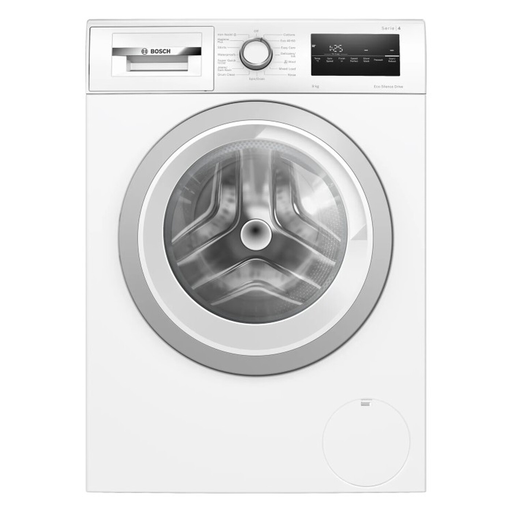
Why This Fits Their Persona: A 9kg drum and sensor-controlled water adjustment offer practical flexibility for households that wash mixed loads and bedding.
ActiveWater Plus is specified to adjust water use to the load, helping address the concern that a larger drum always wastes resources.
A rating, EcoSilence Drive motor, reload function, steam programme and SpeedPerfect option.
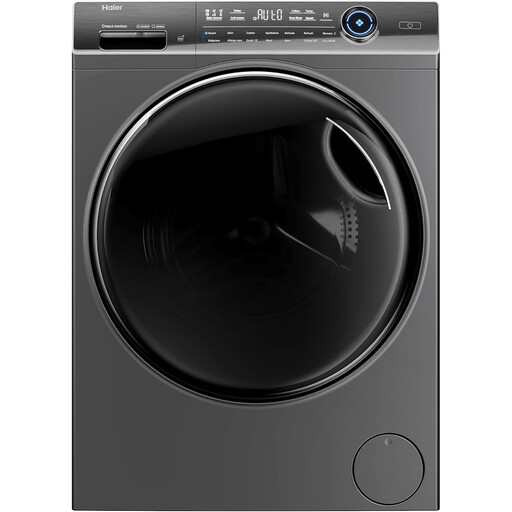
Why This Fits Their Persona: The 10kg capacity is suited to larger families, frequent laundry and households that regularly wash bulky items.
Its specifications identify the actual 10kg capacity, 69dB spin noise and 51kWh per 100 cycles, rather than relying only on promotional energy language.
Wi-Fi and Bluetooth, AutoDose, Vapour Refresh, inverter-style Direct Motion motor and 580mm depth.
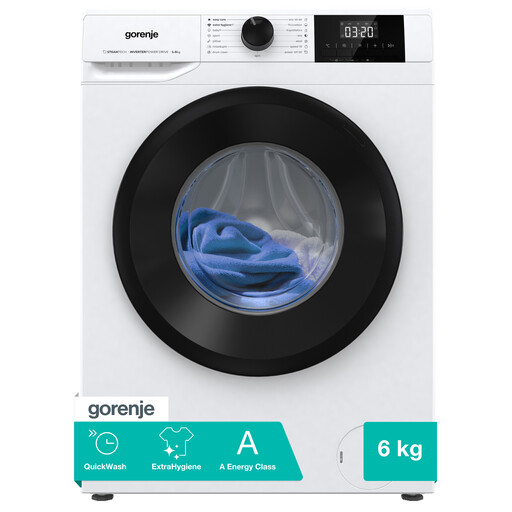
Why This Fits Their Persona: Its 415mm depth is useful for smaller kitchens, flats and utility spaces where a standard-depth appliance may obstruct access.
The slim body is clearly specified, so buyers can check available depth instead of discovering after delivery that the machine will not fit.
6kg drum, A rating, inverter motor, 15 programmes, steam functions and QuickWash 15'.
We have compiled a complete, real-time list of products that fully satisfy these strict selection criteria and UK safety regulations.
Before the first wash:
They can use less energy than lower-rated models under comparable test conditions, but your real cost depends on cycle selection, temperature, load size and electricity tariff. Compare the energy figure per 100 cycles on the product label.
No. Use lower spin speeds for delicate garments where the care label recommends it. The higher maximum speed is most useful for robust fabrics and loads that need more water extraction before air-drying or tumble drying.
Lifespan varies with build quality, installation, load frequency, maintenance and servicing. Avoid overloading, remove foreign objects from pockets, clean filters regularly and follow the manufacturer’s care instructions. Check the warranty terms carefully, including whether registration is required and whether parts and labour are covered.