
24/7 Customer Support

Free returns

Same-day & Next-day Delivery

Quality Guaranteed

Unlock Your Welcome Offers: FREE Delivery | Up to 80% OFF | Free 30-day JoyPlus trial
Download the APP
The A5 notebook is a staple of modern stationery, striking a practical balance between ample writing space and portability. Yet, choosing the right one can be a challenge. With varying paper weights, page layouts and binding styles, the ideal notebook for a student managing multiple subjects will differ from one used by a professional for meeting notes or an artist for sketching.
This guide is designed to help you navigate the options. As a Joybuy Product Recommendation Officer, my role is to provide clear, objective information to help you find an A5 notebook that genuinely suits your needs, whether for work, study or creative pursuits.
Before looking at specific products, consider these key features. Understanding them will help you identify what matters most for your intended use.
Paper weight is measured in grams per square metre (GSM). This figure indicates the paper's thickness and durability, which directly affects your writing experience.
The way a notebook is bound and its pages are formatted determines its function and ease of use.
Here are four A5 notebooks that cater to different needs, from creative expression to structured organisation.
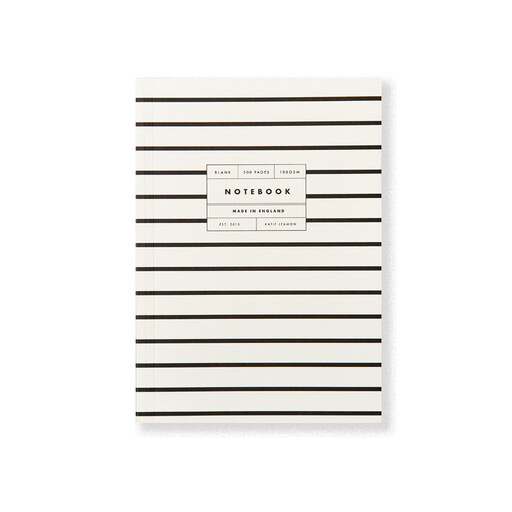
Why It Stands Out: This notebook offers an expansive canvas for creativity. With 300 blank pages, it provides exceptional value and longevity for those who write or draw frequently. The high-quality paper ensures a pleasant user experience.
Pros:
Who is it for?: Artists, designers, writers and anyone who prefers the unrestricted freedom of a blank notebook for sketching, brainstorming or journaling.
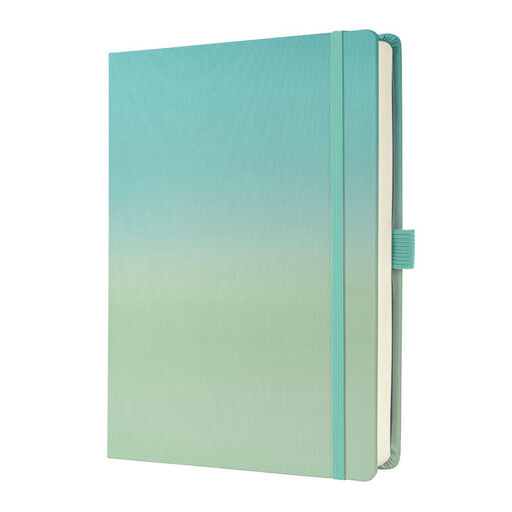
Why It Stands Out: Designed specifically for journaling enthusiasts, this notebook features a true lay flat journal binding and exceptionally thick paper. Its sturdy hardcover and numbered pages make it a practical and stylish choice for organised creativity.
Pros:
Who is it for?: Anyone dedicated to bullet journaling, hand lettering, or keeping a detailed diary. The high-quality paper and flat design make it a pleasure to use.
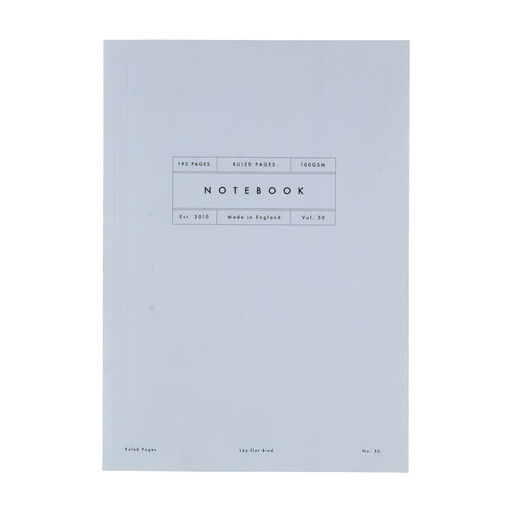
Why It Stands Out: This notebook combines classic elegance with high-quality materials. The textured cover and premium ivory paper give it a sophisticated feel, making it an excellent professional notebook for meetings or a refined A5 journal for personal thoughts.
Pros:
Who is it for?: Professionals, students and writers who appreciate a traditional, high-quality notebook for structured note-taking and journaling.
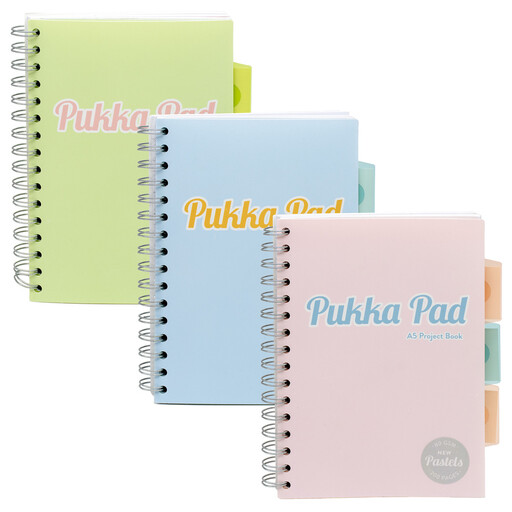
Why It Stands Out: This project book is built for organisation. With repositionable dividers and perforated pages, it offers flexibility that standard notebooks do not. It is a practical tool for managing multiple projects or subjects within a single, compact book.
Pros:
Who is it for?: An ideal notebook for students juggling different classes or professionals managing several projects. Its organisational features are its main strength.
If your needs require reordering pages or mixing different paper types, a bound notebook might not be the right fit. For ultimate customisation, a ring-bound system could be a better solution.
Explore our curated selection of loose-leaf notebooks to find a customisable system that works for you.
1. What is an A5 notebook good for? An A5 notebook (148 x 210 mm) is popular because its size is highly versatile. It is large enough for detailed notes during meetings or lectures, yet small enough to fit comfortably in a handbag or small backpack. This makes it an excellent choice for journaling, daily planning, professional note-taking and as a general-purpose notebook.
2. Is 80gsm or 100gsm paper better for a notebook? It depends on your writing tools and preferences. 80gsm is a standard paper weight, perfectly adequate for everyday use with ballpoint pens or pencils. A 100gsm paper notebook is noticeably thicker and smoother. It significantly reduces ink ghosting and bleed-through, making it a much better surface for fountain pens, gel pens and markers. If you value a premium writing experience, 100gsm is often worth it.
3. What is the difference between an A5 notebook and an A5 journal? The terms are often used interchangeably, but there can be subtle differences in their intended use. A 'notebook' is a general term for a book of blank or ruled paper. An A5 journal often implies a more personal use, such as for a diary, creative writing or a bullet journal. As a result, journals may have features like thicker paper, a lay flat binding or numbered pages to support these activities.