
24/7 Customer Support

Free returns

Same-day & Next-day Delivery

Quality Guaranteed

Unlock Your Welcome Offers: FREE Delivery | Up to 80% OFF | Free 30-day JoyPlus trial
Download the APP
From lecture halls to boardrooms, the humble A5 notebook remains an indispensable tool for capturing thoughts, organising projects and planning our days. Yet, choosing the right one isn't as simple as it seems. Many of us have been caught out by notebooks with paper so thin that ink bleeds through, or bindings that fall apart after a few weeks in a bag. This guide cuts through the marketing jargon to help you find a notebook that truly fits your needs, whether you're a student, a professional or a dedicated journaler.
Before you buy, be aware of these common pitfalls:
To avoid disappointment, focus on a few key specifications. Understanding these will ensure you get a notebook that performs as expected.
GSM stands for 'Grams per Square Metre' and is the single most important indicator of paper quality and thickness.
The construction of a notebook determines its durability and how you use it.
We've matched some practical options to different user needs, helping you find the right fit without the guesswork.
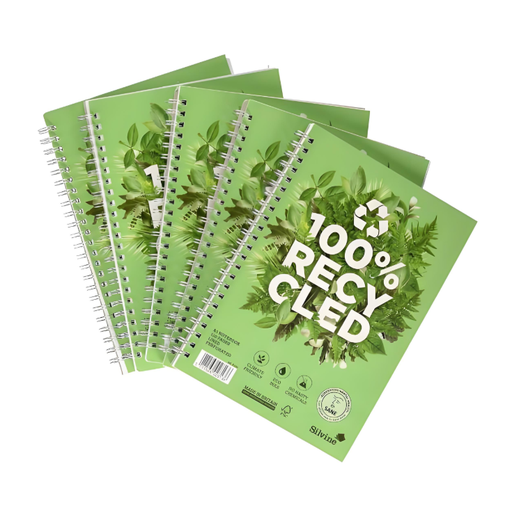
Why This Fits Their Persona: This multipack is a practical and cost-effective choice for daily use. Being made in the UK from recycled materials, it aligns with a desire for more sustainable stationery without sacrificing functionality.
It sidesteps vague green claims by using 80gsm recycled paper. This paper weight also provides a reliable writing surface that resists the bleed-through common in cheaper notebooks.
Features perforated pages for clean tear-out and is pre-punched with four holes for easy filing, adding a layer of organisation.
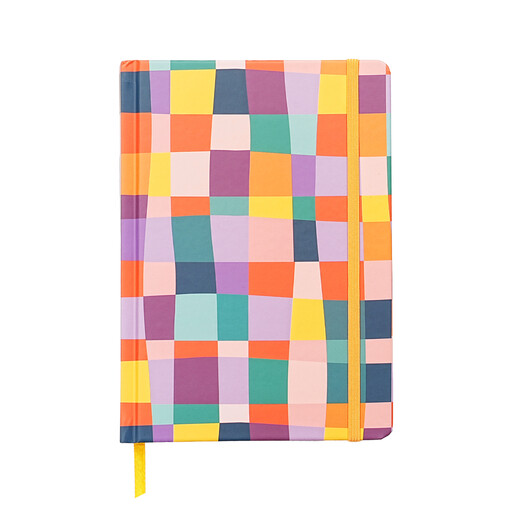
Why This Fits Their Persona: For those who use an A5 journal daily, the writing experience is paramount. This notebook's premium paper and thoughtful design features make it a pleasure to use for long-form writing or creative planning.
The 100g offset paper is specifically designed for a smooth writing feel with minimal ink bleed, directly countering the thin paper pitfall. The durable hardcover binding prevents it from falling apart.
Includes practical features like a ribbon bookmark to hold your place and an elastic closure band to keep the notebook securely shut when not in use.
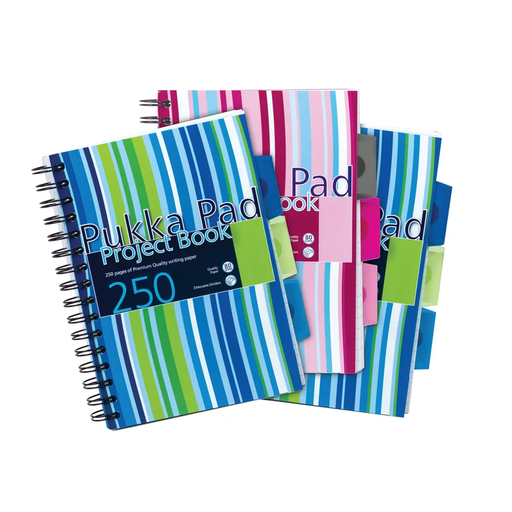
Why This Fits Their Persona: Ideal for students or professionals juggling multiple subjects or projects. This isn't just a notebook; it's an organisational system in a compact A5 format, designed to keep different streams of work separate and tidy.
The robust wire binding and durable cover are built for heavy use, avoiding the weak binding pitfall. The 80 GSM FSC Certified paper ensures a quality writing experience across all 250 pages.
Its main feature is the set of 3 repositionable dividers, which include storage pockets for loose sheets, making it a highly functional project book.
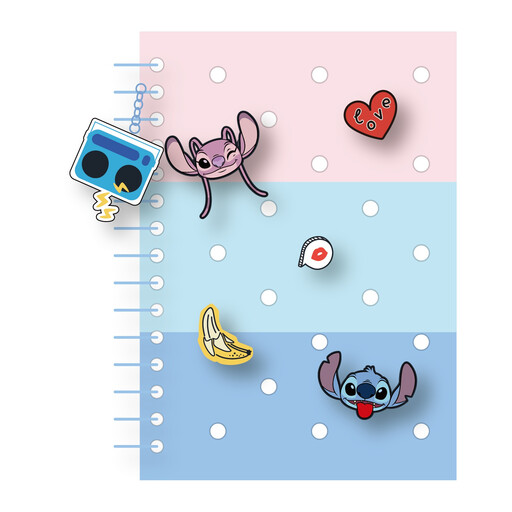
Why This Fits Their Persona: This notebook is for those who want their stationery to reflect their personality and interests. It combines a fun, officially licensed design with the practical features needed for everyday note-taking at school or home.
Unlike some novelty items that prioritise looks over function, this notebook uses smooth writing paper designed to offer minimal bleed-through, ensuring it's a practical tool and not just a decorative piece.
The compact, wirebound format is convenient for carrying in a bag and using on the go, while the character design adds a touch of fun to daily tasks.
We have compiled a complete, real-time list of products that fully satisfy these strict selection criteria and UK safety regulations.
The main difference is size. An A5 notebook measures 148 x 210 mm, making it highly portable and a standard choice in the UK. A B5 notebook is larger, at 176 x 250 mm, offering more writing space per page. A5 is generally preferred for portability, while B5 can be a good option for extensive note-taking where carrying a full A4 notebook is too cumbersome.
The most reliable indicator is the paper weight. Look for an A5 lined notebook with paper that is 100gsm or heavier. Some product descriptions may also explicitly state "fountain pen friendly" or mention features like "low ink bleed." Cream-coloured paper, often found in premium journals, can also be a sign of higher quality stock.
Not necessarily. The quality of a recycled notebook depends on the manufacturing process and the paper weight (GSM), just like non-recycled paper. A notebook made from 80gsm recycled paper will offer a similar writing experience to one made from 80gsm virgin paper. Look for certifications like FSC (Forest Stewardship Council) to ensure the materials are sourced responsibly.