
24/7 Customer Support

Free returns

Same-day & Next-day Delivery

Quality Guaranteed

Unlock Your Welcome Offers: FREE Delivery | Up to 80% OFF | Free 30-day JoyPlus trial
Download the APP
A5 notebooks are popular in the UK because they offer a practical balance between writing space and portability. The standard A5 format measures approximately 148 × 210 mm, making it suitable for a handbag, rucksack, work bag or desk drawer.
However, attractive covers and phrases such as “premium paper” do not always reveal whether a notebook will suit your everyday habits. The wrong page layout can make planning awkward, while a weak cover or unsuitable binding may become frustrating after regular use. Before buying, focus on the details that affect how the notebook performs rather than choosing based on appearance alone.
A notebook may advertise a high number of pages without explaining whether it contains thin sheets, wide margins or a layout that limits flexibility. Check whether the listing refers to sheets or pages, and consider the type of writing you do.
For example, a lined A5 notebook with margins is useful for organised notes, meetings and study work. A blank A5 notebook offers more freedom for sketches, diagrams and bullet journalling, but may be less convenient for keeping paragraphs aligned.
Paper weight is usually shown in grams per square metre, written as gsm. A 100gsm notebook generally offers a firmer writing surface than lightweight school exercise paper, but paper weight alone does not guarantee that every ink will behave identically.
If you use gel pens, markers or fountain pens, look for clear information about the paper type and ink performance. Cream or ivory paper can also feel gentler visually than bright white paper, but colour preference is personal.
A notebook can look stylish but still be inconvenient if it does not open comfortably or protect its pages. A hardback notebook provides a firmer surface when writing away from a desk. Spiral binding can allow pages to turn easily and may make the notebook more flexible, but the wire should be handled carefully to avoid bending.
For commuting or carrying loose papers, also check whether the notebook has an elastic closure, lay-flat construction or a cover with enough structure for daily handling.
Choose the page format according to your main task:
If you regularly combine writing with sketches, a blank or numbered journal may offer more flexibility than a conventional A5 ruled notebook.
A 100gsm notebook is a practical option for users who want a smoother, more substantial page than basic thin paper. Several options below use 100gsm ivory or cream paper. The Sigel Jolie journals use 120 g/m² paper, which may appeal to users who prefer a firmer surface for hand lettering and creative penmanship.
Paper finish matters too. Smooth paper can suit everyday handwriting, while a textured cover affects the notebook’s tactile feel and resistance to handling. Avoid storing any paper notebook near moisture, radiators or direct sunlight, as these conditions can affect both pages and covers.
Most standard A5 notebooks measure 148 × 210 mm, although an A5+ journal is slightly larger. The Sigel Jolie format measures 17 × 22 cm, offering additional writing room while remaining compact enough for many bags.
A twin-wire spiral can be useful for quick page turning, whereas a lay-flat binding is convenient when writing across a full spread. Consider your usual environment: students may prioritise flexibility in lectures, professionals may want a firm cover for meetings and artists may prefer a blank surface with enough room for visual work.
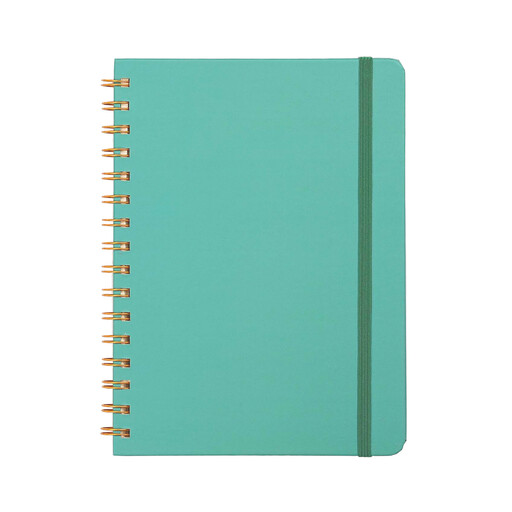
Why This Fits Their Persona: A practical choice for students, first-time journal users and everyday note-takers who want a structured format without carrying a large notebook.
The listing specifies 96 sheets of 100g cream ruled paper, a hardback, twin-wire spiral binding and an elastic closure band, making the construction clearer than a cover-only purchase.
A5 dimensions, ruled cream paper, a firm cover and elastic closure support school, office and personal use.
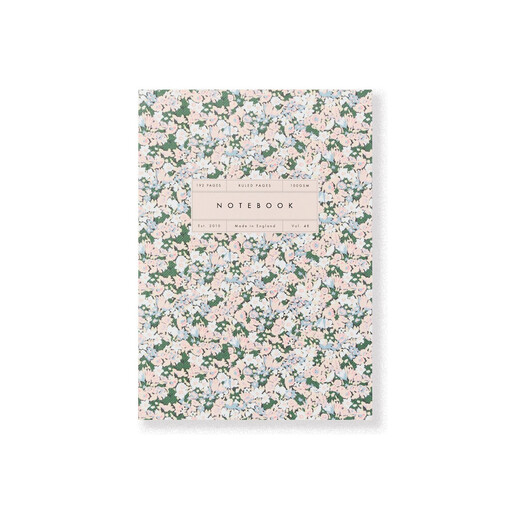
Why This Fits Their Persona: Suitable for professionals, journalers and shoppers looking for designer stationery with a refined cover for a desk, handbag or stylish stationery gift.
The specifications identify 196 ruled pages, 100gsm inner paper and textured covers, rather than relying only on fashion-led presentation.
Ruled pages include margins, while the A5 format and textured cover support organised everyday writing.
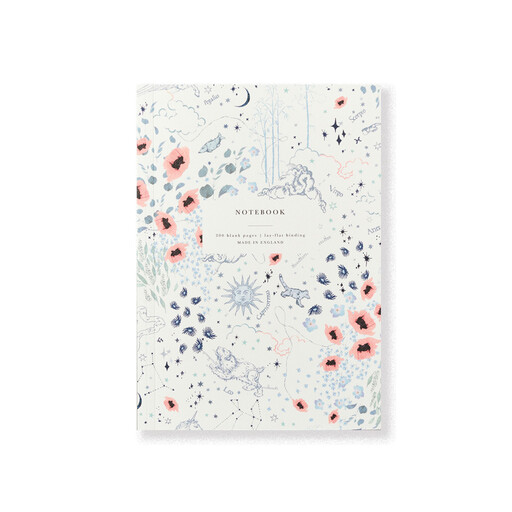
Why This Fits Their Persona: Designed for writers, artists and creatives who need substantial space for sketching, brainstorming, journalling or mixed-media planning.
The listing clearly states 300 blank pages and 100gsm inner paper, so buyers can distinguish creative capacity from a notebook with a decorative cover but limited space.
Blank pages allow writing, drawing and layout changes, while the textured cover adds protection for regular handling.
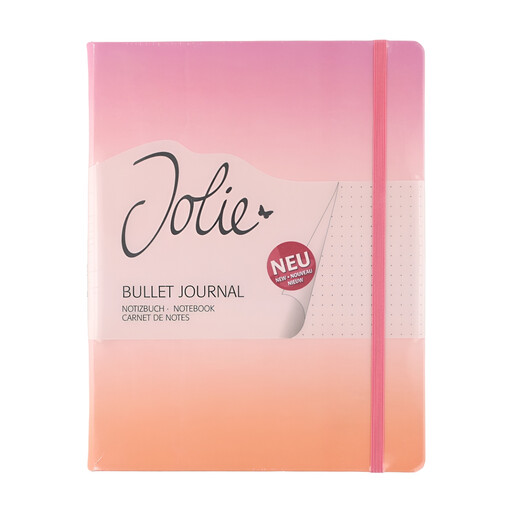
Why This Fits Their Persona: A suitable format for bullet journal enthusiasts, planners and users who want numbered pages and enough room for detailed layouts.
Its listing specifies a 180° lay-flat design, 200 numbered pages and an A5+ 17 × 22 cm format, helping buyers assess usability before ordering.
120 g/m² paper, a sturdy hardback and numbered pages support hand lettering, planning and custom diary layouts.
We have compiled a complete, real-time list of products that fully satisfy these strict selection criteria and UK safety regulations.
Yes. The format is large enough for structured lecture notes, meeting records and task lists while remaining easy to carry. A ruled A5 notebook is particularly practical for written notes, whereas a blank option may suit diagrams, project planning or creative subjects.
Lifespan depends on page count, cover strength, binding and frequency of use. A notebook used every day may fill quickly, even when its cover remains in good condition. For heavier writing, compare the number of pages or sheets and look for a hardback, textured cover or secure closure.
A 100gsm notebook can be a sensible choice for users who want a smoother, more substantial writing surface than lightweight paper. It may reduce show-through with many everyday pens, but results vary by ink and writing pressure. If you use markers or fountain pens, check the product information and consider trying the specific paper before committing to a large stationery collection.