
24/7 Customer Support

Free returns

Same-day & Next-day Delivery

Quality Guaranteed

Unlock Your Welcome Offers: FREE Delivery | Up to 80% OFF | Free 30-day JoyPlus trial
Download the APP
Buying AA and AAA batteries seems straightforward until a remote control stops working, a toy drains a fresh pack in days or an old cell leaks inside valuable equipment. The right choice depends on more than price and brand. Battery size, chemistry, device demand, storage conditions and pack quantity all affect value.
This guide explains the practical differences between alkaline batteries, rechargeable batteries and lithium batteries, while highlighting common purchasing pitfalls for UK households, offices, gamers, photographers and smart-home users.
AA and AAA describe the physical size, not the type of battery inside. An AA alkaline battery is usually 1.5V, while an AA NiMH rechargeable battery is typically 1.2V. Many devices accept both, but you should always check the manufacturer’s instructions before switching chemistry.
AAA batteries are smaller and are commonly found in remote controls, wireless mice, clocks, toys and compact electronic devices. AA batteries offer greater capacity and are more common in cameras, torches, gaming controllers and motorised toys.
Bulk batteries can reduce the cost per cell, but only if you will use them before their storage period ends. A 20-pack may suit a busy household, office or gaming setup, whereas a two- or four-pack is more sensible for occasional use.
Check the cost per battery, the battery’s shelf life and whether your devices use AA, AAA, A23 or LR1 cells. Buying the wrong size in bulk is an avoidable expense.
Battery life varies according to the device, temperature, usage pattern and power demand. A battery that lasts well in a wall clock may not perform the same way in a digital camera or gaming controller.
Claims such as “extra life” generally relate to specified test conditions. They should be treated as a comparison guide rather than a guarantee of identical performance in your device.
Always compare the marking inside the battery compartment with the pack description:
For example, an A23 battery is not interchangeable with an AA or AAA cell. It is a compact 12V alkaline battery commonly used in key fobs, wireless doorbells, garage door openers and some security devices. An LR1 battery is a smaller 1.5V alkaline cell for compatible compact electronics.
Alkaline batteries are non-rechargeable and usually provide 1.5V. They are suitable for many low- to medium-drain products, including remote controls, clocks, torches and standard toys. They are convenient because they can be installed immediately and stored for several years when kept correctly.
Rechargeable batteries generally use NiMH chemistry and provide 1.2V. They are practical for frequently used devices such as gaming controllers, digital cameras, children’s toys and wireless accessories. Check that your charger is compatible with the battery type and follow its charging instructions.
Lithium batteries in AA and AAA formats are usually non-rechargeable lithium iron disulphide cells. They are lightweight and designed for demanding applications, including photography equipment, outdoor torches, security products and devices exposed to temperature changes. They cost more per cell, so they are most useful where long runtime, low weight or extended storage is important.
Rechargeable batteries are often rated in mAh, such as 750mAh, 800mAh or 2,000mAh. A higher capacity can support longer operation, but actual runtime still depends on the device.
For disposable batteries, check the stated storage life. Several products below list storage periods of up to 10 or 25 years under suitable conditions. Store unused cells in a cool, dry place, in their original packaging, away from loose metal objects.
Leak-resistant construction can help protect devices, but it does not make batteries immune to damage. Remove batteries from equipment that will not be used for an extended period, and do not mix old and new batteries or different chemistries.
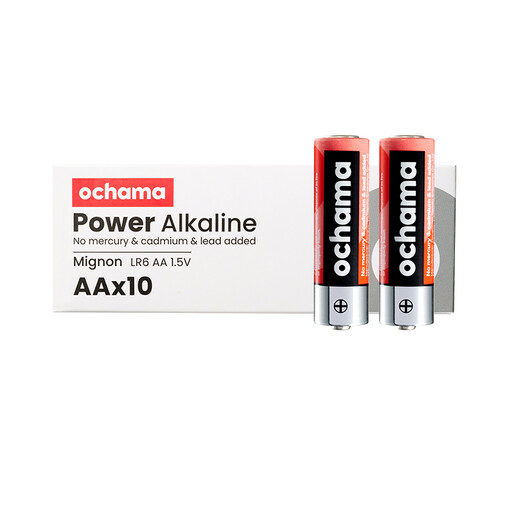
Why This Fits Their Persona: A 10-piece AA pack gives households a practical supply for remote controls, digital scales, toys and other everyday devices without committing to a large bulk purchase.
The clearly specified AA alkaline format helps avoid ordering the wrong size, while the mercury-free description provides useful chemistry information.
10-cell pack; alkaline format; suitable for a range of household electronics.
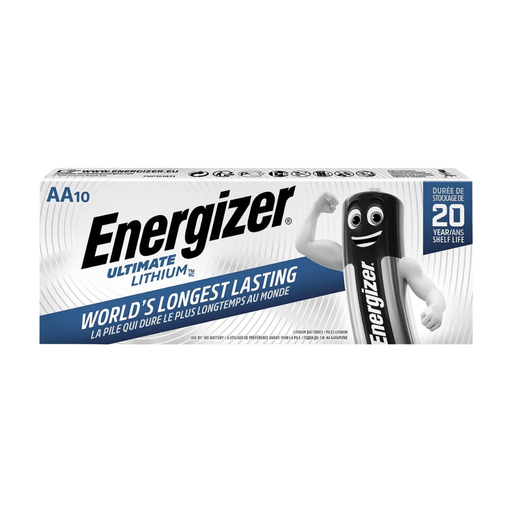
Why This Fits Their Persona: A suitable option for photographers, outdoor users and smart-home owners who prioritise low weight, high-drain capability and long storage.
The pack is clearly identified as non-rechargeable lithium AA, avoiding confusion with NiMH rechargeable batteries and their different charging requirements.
1.5V output; stated storage life of up to 25 years; approximately one-third lighter than alkaline cells according to the product information.
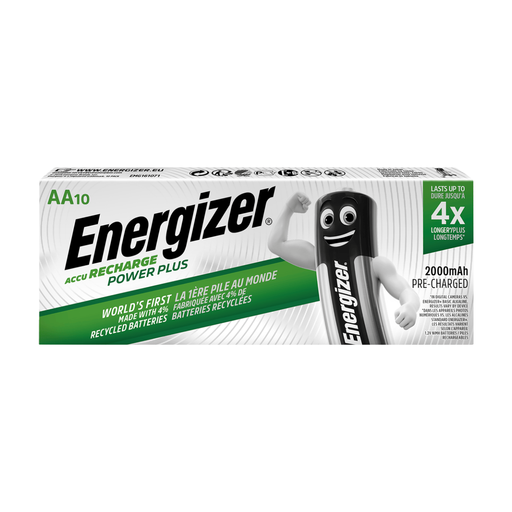
Why This Fits Their Persona: Frequent gamers, photographers and families using battery-powered toys can benefit from a reusable 10-pack designed for high-drain electronics.
The 2,000mAh capacity and NiMH specification make the intended use clearer than choosing a disposable cell solely by its pack price.
Rechargeable AA format; 2,000mAh capacity; pre-charged according to the product description.
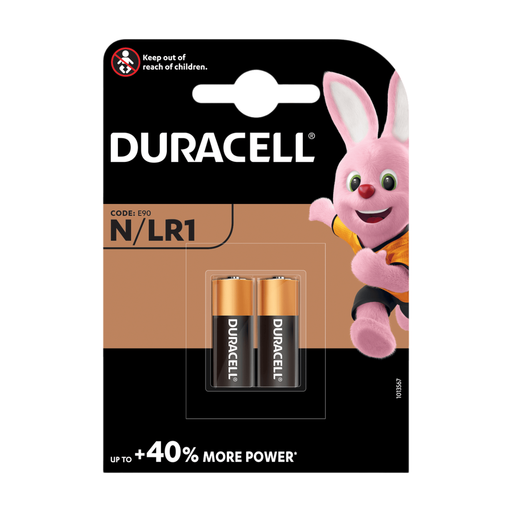
Why This Fits Their Persona: A practical match for users whose device specifically requires the compact N or LR1 format, including some key fobs, clocks, small sensors and compatible instruments.
The alternative model codes LR1, N, E90 and MN9100 are listed, helping shoppers verify compatibility before ordering.
1.5V alkaline chemistry; two-cell pack; stated storage life of up to five years.
We have compiled a complete, real-time list of products that fully satisfy these strict selection criteria and UK safety regulations.
Follow the polarity markings inside the device and replace all cells in a battery compartment at the same time. Do not recharge disposable alkaline, lithium or A23 batteries. Keep batteries away from children, particularly small button and speciality cells, and seek urgent medical help if a battery is swallowed.
Do not place used batteries in general household waste. Use local battery collection points, recycling facilities or retailer take-back services where available. Keep used cells separate from loose metal items during storage and transport.
No. AA and AAA batteries have different dimensions. A device designed for AAA cells may not have enough space or the correct contacts for AA batteries. Check the device label or instruction manual before buying.
They can be more economical for frequently used devices because one rechargeable cell can replace multiple disposable batteries over its service life. You also need a suitable charger, and the initial purchase price is usually higher. For an occasional-use clock or remote control, alkaline batteries may be simpler.
The exact period depends on the product and storage conditions. The products described in this guide list shelf lives ranging from five to 12 years for selected alkaline cells, while some lithium models list up to 25 years. Store batteries at room temperature in a dry place and follow the date and handling information on the packaging.