
24/7 Customer Support

Free returns

Same-day & Next-day Delivery

Quality Guaranteed

Unlock Your Welcome Offers: FREE Delivery | Up to 80% OFF | Free 30-day JoyPlus trial
Download the APP
Buying AA and AAA batteries seems straightforward until a remote control stops working, a camera drains a pack in minutes or a forgotten battery leaks inside an expensive torch. The right choice depends on more than brand recognition or the number of cells in a value pack.
This guide explains the practical differences between alkaline, rechargeable and lithium batteries, highlights common buying traps and matches suitable options to different household needs.
AA and AAA batteries are not interchangeable. AA cells are larger and are commonly used in cameras, torches, toys and gaming controllers. AAA batteries are slimmer and often fit remote controls, wireless mice, clocks and compact LED lights.
Check the device compartment or instruction manual for markings such as AA, AAA, LR6 or LR03. Never force a cell into a compartment designed for another size.
Runtime varies according to the device, power demand, temperature and battery chemistry. A battery that performs well in a wall clock may not provide the same result in a digital camera or wireless gaming controller.
Comparative claims on packaging may refer to a particular test standard or device type. Treat them as usage-specific rather than a guarantee of identical results in your equipment.
Most rechargeable AA and AAA batteries use NiMH chemistry and have a nominal voltage of 1.2V, compared with approximately 1.5V for alkaline and lithium primary batteries. They require a compatible charger and should not be placed in a charger intended for a different chemistry.
A UK battery charger that supports both AA and AAA cells can be more convenient for mixed households. Smart features such as automatic shut-off, reverse-polarity protection and fault detection are useful safeguards.
Rechargeable capacity is shown in mAh, or milliamp-hours. For example, a 2,500mAh AA rechargeable battery generally stores more charge than a 1,300mAh version, although actual runtime depends on the device.
The 900mAh rating of a rechargeable AAA battery is appropriate for many compact electronics, while 800mAh and 750mAh AAA options may suit everyday devices and moderate usage. Capacity should be considered alongside the manufacturer’s recommended battery type.
If you keep batteries for emergencies, check the stated storage life. Several alkaline options listed here specify storage for up to 10 years when stored correctly, while selected lithium cells specify up to 25 years.
Leak-resistant construction can help protect battery contacts under normal use, but it is not a reason to leave cells inside unused equipment indefinitely. Remove batteries from seasonal decorations, rarely used torches and spare devices. Keep batteries in their original packaging, away from loose metal objects and excessive heat.
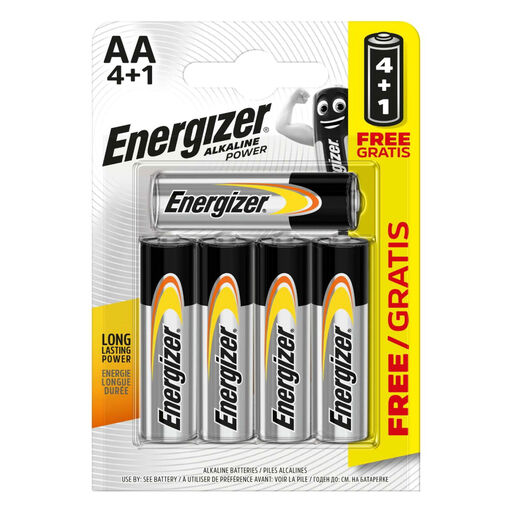
Why This Fits Their Persona: The five-cell pack gives UK households a straightforward supply for remotes, clocks, toys, torches and wireless accessories without needing a charger.
It is clearly identified as non-rechargeable alkaline AA, helping prevent the common mistake of placing primary cells in a charger.
1.5V alkaline cells, a 4+1 pack format and stated leak-resistant construction.
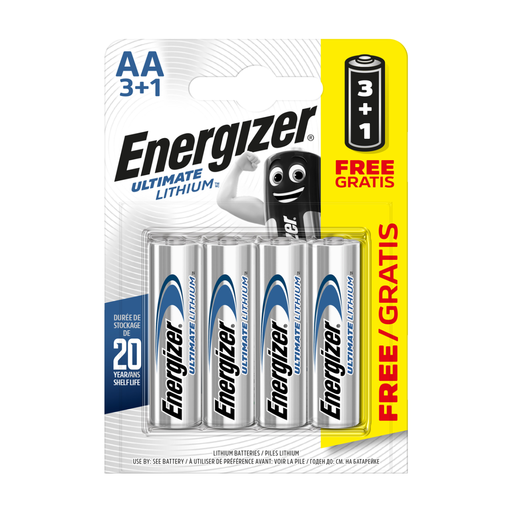
Why This Fits Their Persona: The lithium format suits shoppers prioritising low weight, extended storage and use in demanding equipment such as cameras, GPS devices and outdoor torches.
The product is a non-rechargeable 1.5V lithium cell, so its chemistry and intended use are clear before purchase.
The listed specifications include a 25-year storage life, leak-resistant construction and lighter weight than alkaline cells.
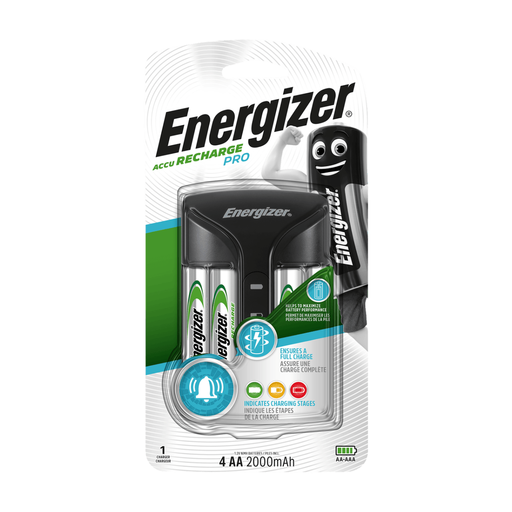
Why This Fits Their Persona: Gamers, photographers and families using toys or controllers frequently can recharge the included AA cells rather than repeatedly buying disposable ones.
The bundle includes a UK mains charger that supports two or four AA or AAA NiMH cells, avoiding a separate charger purchase.
Four 2,000mAh AA NiMH batteries, charging for two or four cells and stated safety functions including automatic shut-off and reverse-polarity protection.
We have compiled a complete, real-time list of products that fully satisfy these strict selection criteria and UK safety regulations.
They can offer better value for devices used frequently because the same NiMH cells can be recharged hundreds of times. The initial purchase usually includes the batteries and, in some cases, a charger. For occasional-use devices, alkaline cells may be simpler and more economical upfront.
It depends on the chemistry and storage conditions. Many alkaline products specify up to 10 years, while selected lithium products specify up to 25 years. Rechargeable cells commonly retain a stated proportion of their charge for up to 12 months. Store all types in a cool, dry place and check the packaging for the exact storage guidance.
Rechargeable AA batteries are often practical for frequently used gaming controllers, particularly when paired with a compatible charger. Alkaline AA batteries are convenient for occasional play, while lithium AA batteries may suit users seeking lighter cells or extended performance in demanding equipment. Always follow the controller manufacturer’s battery guidance.