
24/7 Customer Support

Free returns

Same-day & Next-day Delivery

Quality Guaranteed

Unlock Your Welcome Offers: FREE Delivery | Up to 80% OFF | Free 30-day JoyPlus trial
Download the APP
Choosing AA and AAA batteries should be straightforward, but packaging claims and technical differences can make a simple purchase surprisingly confusing. UK households often buy the wrong size, choose disposable cells for devices used every week, or select a large bulk battery pack without checking storage requirements.
A suitable battery depends on the device, how often it is used and whether you prioritise upfront price, runtime or reduced waste. This guide explains the main buying pitfalls and compares practical options for remotes, toys, cameras, gaming equipment and emergency supplies.
AA and AAA describe the physical format, not the performance level. AA batteries are larger and typically offer greater capacity than AAA cells, while AAA batteries fit slimmer devices such as remote controls, wireless mice and compact torches.
Never substitute one size for another unless the device manufacturer specifically allows it. Check the battery compartment or instruction manual for markings such as AA, AAA, LR6 or LR03.
A high-capacity battery is not automatically the right choice. Rechargeable AA and AAA batteries commonly use NiMH chemistry, with a nominal voltage of approximately 1.2V. Standard alkaline batteries normally provide 1.5V.
Many devices work with either type, but some products require a specific voltage or battery chemistry. Cameras, flash units and gaming controllers can benefit from rechargeable batteries, while a clock or remote may be better suited to alkaline batteries because of their low power demand and long storage life.
Runtime varies according to the device, operating mode, temperature and power demand. A manufacturer’s comparison may refer to a particular test device rather than everyday use in your home.
Treat claims such as “extra life” or “long-lasting batteries” as product information to verify, rather than a guarantee of identical results. Look for practical specifications including chemistry, capacity in mAh, voltage, storage life and leak-resistant construction.
Do not mix alkaline, lithium and NiMH batteries in the same device. Also avoid mixing new and used cells or batteries from different packs.
Rechargeable battery capacity is usually shown in mAh. A higher mAh figure can indicate more stored charge, but actual runtime depends on the device and discharge conditions. For example, a 2,500mAh rechargeable AA may suit high-drain equipment, while a 500mAh rechargeable AAA may be intended for smaller electronics.
Check both the device’s required size and its voltage. For a device that uses several batteries, replace the complete set at the same time.
A four-pack may be convenient for one device, whereas a 12-, 16- or 20-pack can reduce the cost per cell for a busy household. However, only buy in bulk if you can store batteries correctly.
Keep unused cells in their original packaging in a cool, dry place, away from direct sunlight and loose metal objects. Remove batteries from devices that will not be used for a long period. Leak-resistant construction can help protect electronics under normal conditions, but it does not make batteries immune to damage from heat, crushing, incorrect insertion or mixing.
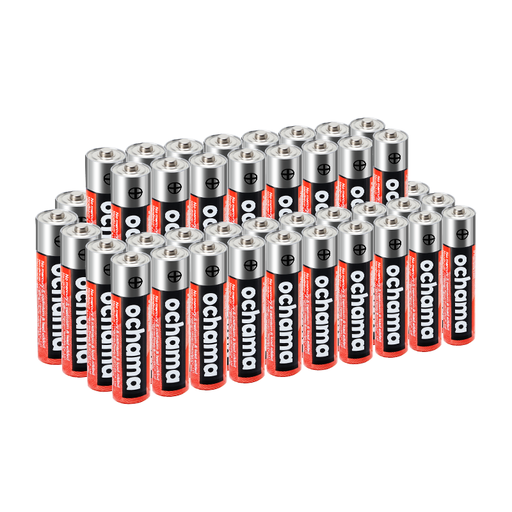
Why This Fits Their Persona: A 40-piece AAA pack suits UK households that regularly replace batteries in remotes, toys, digital scales and household sensors.
The listing identifies these as alkaline, mercury-free, non-rechargeable AAA batteries, helping prevent confusion between disposable and NiMH cells.
40-cell quantity; suitable for remote controls, toys, fingerprint locks and digital scales; clear safety and storage instructions.
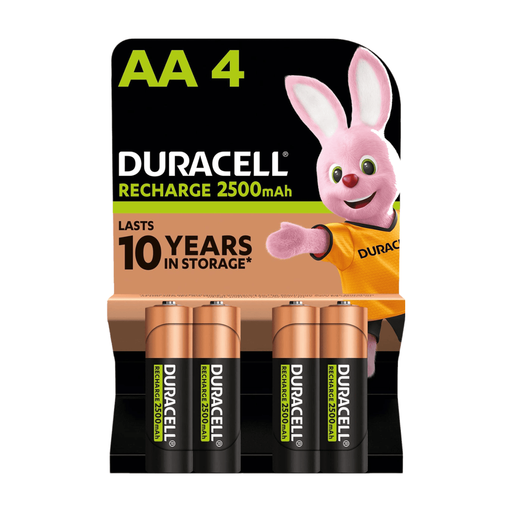
Why This Fits Their Persona: These rechargeable AA cells are suited to photographers, gamers and households that use high-drain equipment frequently.
The 2,500mAh capacity and NiMH chemistry are stated clearly, so buyers can compare reusable power with single-use alkaline batteries.
Pre-charged; rechargeable hundreds of times; designed for cameras, gaming controllers, torches and portable electronics.
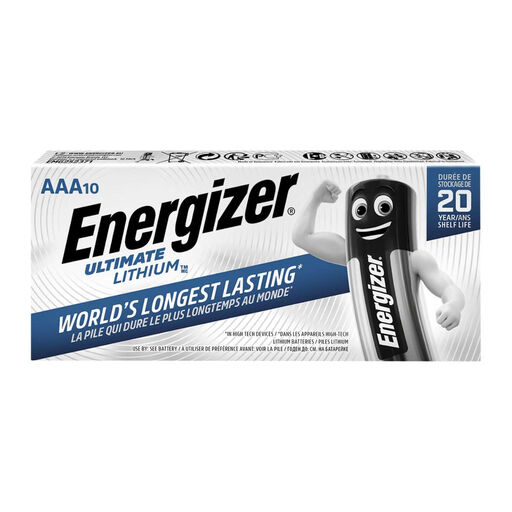
Why This Fits Their Persona: A practical option for high-drain AAA equipment, outdoor use and devices that may remain stored for long periods.
The listing specifies lithium chemistry, 1.5V output, non-rechargeable use and storage of up to 25 years when stored correctly.
Lightweight construction; designed for cameras, GPS devices, gaming equipment and outdoor electronics; leak-resistant design.
We have compiled a complete, real-time list of products that fully satisfy these strict selection criteria and UK safety regulations.
No. AA and AAA cells have different dimensions. Use the size printed on the device or specified in its manual. An adapter may alter the fit but does not necessarily make the battery suitable electrically.
They can be, particularly in devices used frequently, because one NiMH battery can replace many disposable cells over its service life. Remember to include the cost of a compatible charger and check whether your device supports rechargeable batteries.
Shelf life depends on chemistry, storage conditions and the product specification. Many alkaline batteries list storage periods of up to 10 years, while some lithium products list longer periods. Store cells in a cool, dry place and check the packaging before relying on them for emergency use.