
24/7 Customer Support

Free returns

Same-day & Next-day Delivery

Quality Guaranteed

Unlock Your Welcome Offers: FREE Delivery | Up to 80% OFF | Free 30-day JoyPlus trial
Download the APP
Choosing AA and AAA batteries can seem straightforward, but the wrong size, chemistry or pack quantity can lead to poor performance, unnecessary spending and damaged devices. UK households use batteries in everything from TV remotes and clocks to cameras, toys, gaming controllers and health monitors, so selecting the right type matters.
Before adding a multipack to your basket, look beyond familiar branding and phrases such as “long-lasting” or “extra power”. Here are the main buying pitfalls to avoid.
AA and AAA batteries are not interchangeable. AA batteries, also known as LR6, are larger and commonly used in toys, torches, cameras and gaming controllers. AAA batteries, also known as LR03 or MN2400, are slimmer and often found in remotes, wireless mice, clocks and compact electronics.
Check the device compartment or instruction manual before buying. Forcing the wrong size into a compartment may damage the contacts or prevent the device from operating safely.
Alkaline and lithium batteries are generally single-use. They must not be placed in a charger. Rechargeable batteries are usually NiMH cells and should be clearly labelled as rechargeable.
Using a charger with non-rechargeable alkaline AA batteries or alkaline AAA batteries may cause leakage, overheating or rupture. If you use a device frequently, rechargeable batteries may reduce the number of discarded cells over time, but you will also need a compatible charger.
A high-capacity battery may be useful in a digital camera or gaming controller, but it may offer limited value in a low-drain wall clock or remote control. Pack size, chemistry and device requirements are more important than a large capacity figure alone.
Also remember that capacity figures are measured under particular test conditions. Actual runtime varies with the device, temperature, usage pattern and battery age.
Most disposable alkaline batteries provide a nominal 1.5V output. Rechargeable NiMH batteries generally provide 1.2V, although many compatible devices are designed to operate with either type.
Always follow the device manufacturer’s instructions, particularly for medical devices, smoke alarms and specialist photographic equipment.
Capacity is measured in mAh, or milliamp-hours. A higher mAh figure can indicate greater stored charge, but it should not be treated as a guaranteed runtime promise.
For regular high-drain use, such as photography or gaming, consider rechargeable cells with a stated capacity. The Duracell Rechargeable AA 2500mAh Batteries – 4 Pack and Energizer AA 2000mAh Recharge Power Plus Batteries – Pack of 10 are both NiMH options listed for cameras, gaming gear and other demanding electronics.
For occasional-use devices, alkaline batteries may be more convenient because they arrive ready to install and do not require charging equipment.
A leak-resistant construction can help protect battery compartments under normal storage and usage conditions, but no battery should be left inside an unused device indefinitely. Remove cells from seasonal decorations, rarely used torches and backup electronics.
Pack quantity should match your actual usage. A four-pack may suit a camera or controller, while a 12-, 16- or 20-pack can be more practical for a busy family home or office. Store unused cells in their original packaging, in a cool, dry place and away from loose metal objects.
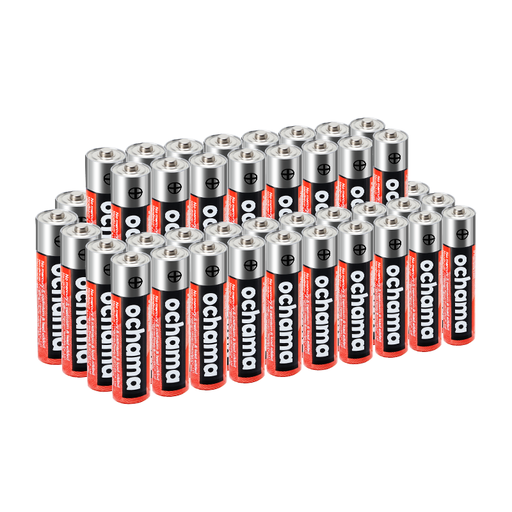
Why This Fits Their Persona: A larger pack suits households, offices and families that regularly replace AAA cells in remotes, toys, scales and other everyday electronics.
The product is clearly identified as non-rechargeable alkaline, helping prevent accidental use with a charger. Its 40-piece quantity can reduce frequent small-pack purchases.
Alkaline AAA format; mercury-free product information; suitable for remotes, toys, digital scales and household devices.
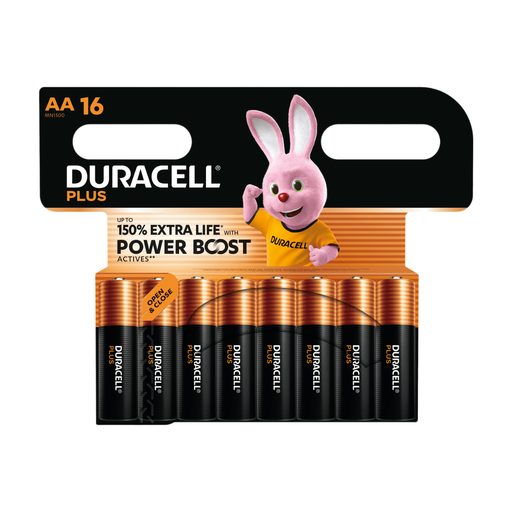
Why This Fits Their Persona: A larger branded supply is suited to users who want AA batteries available for cameras, torches, toys, remotes and office accessories.
The listing specifies alkaline chemistry, non-rechargeable use, leak resistance and storage guidance, rather than leaving the buyer to infer these details.
16-cell pack; 1.5V AA format; listed leak-resistant design and long storage life when stored correctly.
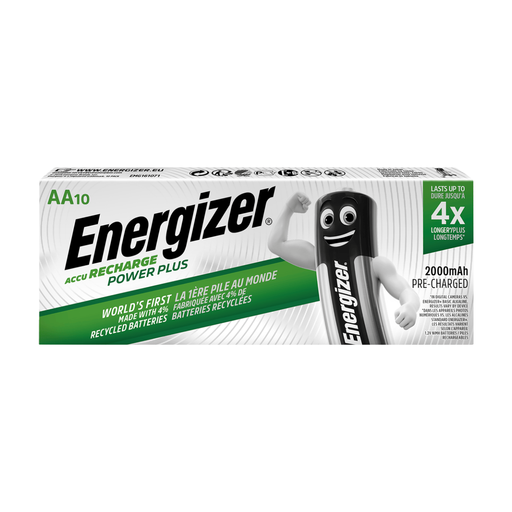
Why This Fits Their Persona: The 10-pack is practical for photographers, gamers and households running several high-use AA devices at once.
Its NiMH chemistry and rechargeable status are stated clearly, avoiding the common mistake of treating disposable alkaline cells as rechargeable.
2000mAh capacity; pre-charged NiMH cells; designed for cameras, controllers, toys, torches and portable audio devices.
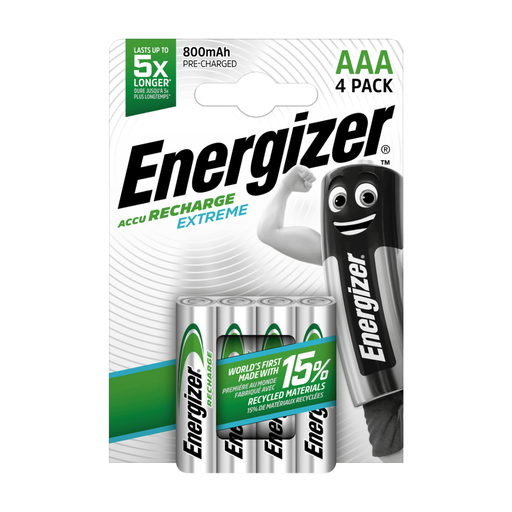
Why This Fits Their Persona: A rechargeable AAA option for wireless mice, compact lighting, toys, cameras and gaming accessories where regular replacement is inconvenient.
The product type, 800mAh capacity and rechargeable NiMH chemistry are specified, so shoppers can compare it with disposable AAA cells accurately.
800mAh capacity; pre-charged 1.2V NiMH cells; listed charge retention and leak-resistant construction.
Insert batteries according to the positive and negative polarity markings. Replace every cell in a device at the same time and do not mix brands, chemistries, new cells or partially used cells.
Keep batteries away from children and pets because swallowed button or cylindrical batteries can cause serious injury. Do not recharge alkaline or lithium cells, expose batteries to fire, puncture them or carry loose cells with coins and keys.
Used batteries should be taken to an approved battery collection point rather than placed in general household waste. Rechargeable batteries also require appropriate recycling when they reach the end of their service life.
We have compiled a complete, real-time list of products that fully satisfy these strict selection criteria and UK safety regulations.
No. AA cells are physically larger than AAA cells. Check the device label, battery compartment or manual before purchasing.
They can be more economical for devices used frequently because the same cells can be recharged repeatedly. Include the cost of a suitable charger and replace rechargeable cells when their capacity no longer meets your needs.
Keep them in their original packaging in a cool, dry place away from direct sunlight, moisture and loose metal objects. Remove batteries from devices that will not be used for an extended period.