
24/7 Customer Support

Free returns

Same-day & Next-day Delivery

Quality Guaranteed

Unlock Your Welcome Offers: FREE Delivery | Up to 80% OFF | Free 30-day JoyPlus trial
Download the APP
AA batteries are used in remote controls, toys, clocks, torches, wireless keyboards, cameras and many smart-home accessories. However, choosing a pack based only on brand or price can lead to poor runtime, leakage or buying the wrong chemistry entirely.
This guide explains the practical differences between alkaline, rechargeable and lithium batteries, highlights common buying traps and matches suitable options to different household needs.
Most standard AA batteries provide 1.5V, but their chemistry, capacity and discharge behaviour differ. A basic alkaline battery may suit a wall clock or television remote, while a camera flash or motorised toy may require a cell designed for higher drain.
A larger pack is not automatically better value if the batteries run down quickly in your device. Consider the equipment first, then compare the pack quantity and stated specifications.
AA and AAA describe the physical size, not whether the cell is alkaline, NiMH rechargeable or lithium. Rechargeable AA batteries commonly provide 1.2V, whereas single-use alkaline and lithium AA batteries generally provide 1.5V.
Many devices work normally with rechargeable cells, but some equipment requires a particular voltage or chemistry. Always check the device manual before switching types, especially for cameras, medical devices, security equipment and specialist electronics.
Battery life depends on the device’s power demand, usage pattern, temperature and battery age. A product description may refer to performance in a specific test or device category, so treat broad longevity claims with care.
For storage, check the stated shelf life and keep batteries in their original packaging in a cool, dry place. Do not store loose cells with keys, coins or other metal objects.
Confirm whether your device requires:
Never substitute a similar-looking battery without checking the model number, voltage and dimensions. A CR2032, CR2016 and CR2450 are all lithium coin batteries, but they have different thicknesses and capacities.
Alkaline batteries are a practical choice for low- to medium-drain devices, including remote controls, clocks, toys and digital scales. They are single-use and must not be placed in a charger.
Rechargeable AA and rechargeable AAA batteries usually use NiMH chemistry. They are useful for frequently used devices such as gaming controllers, cameras, toys and wireless accessories. You will also need a compatible charger, and batteries should be charged and used according to the charger and battery instructions.
Lithium batteries are generally selected for high-drain equipment, long storage or wider temperature tolerance. They can be suitable for cameras, outdoor torches, GPS equipment and security devices where the manufacturer permits their use. They are not automatically rechargeable; check the packaging carefully.
For occasional use, a smaller pack can reduce the risk of unused batteries being forgotten in a drawer. For busy households, offices or emergency kits, a larger battery pack may be more convenient.
Look for clear information about:
For blood pressure monitors, glucose meters and other medical devices, follow the equipment manufacturer’s battery specification rather than relying on a general product description.
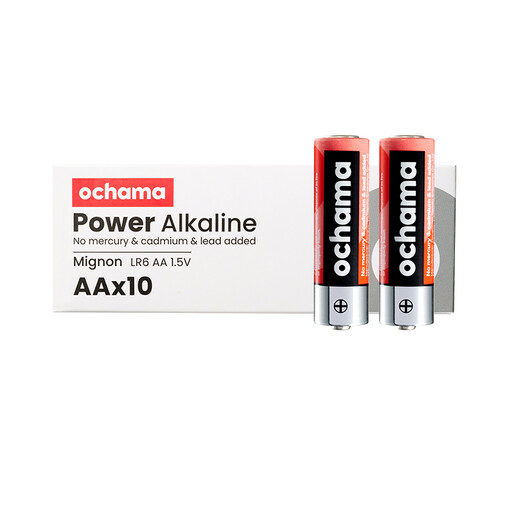
Why This Fits Their Persona: A 10-piece alkaline pack offers a straightforward option for households needing AA batteries for remotes, toys, digital scales and everyday electronics.
The listing clearly identifies the cells as alkaline and mercury-free, helping shoppers avoid confusing disposable batteries with rechargeable models.
10 batteries per pack; suitable for a range of everyday AA-powered devices.
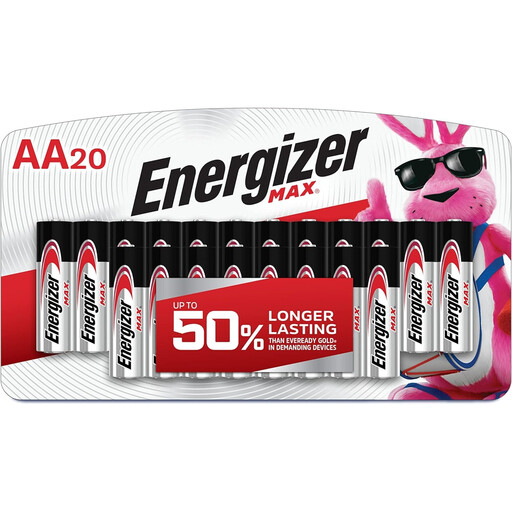
Why This Fits Their Persona: The 20-pack suits households, photographers and office users who want a recognised alkaline option for cameras, toys, remotes and torches.
The product information specifies 1.5V alkaline cells, non-rechargeable use and a stated shelf life of up to 12 years when stored correctly.
20-cell pack; leak-protection information; suitable for high-use household equipment.
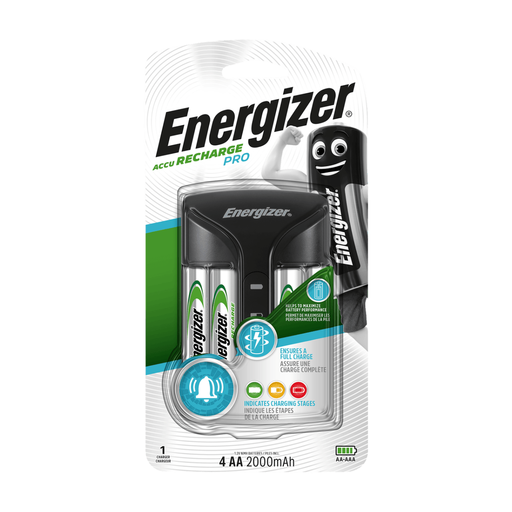
Why This Fits Their Persona: A UK plug charger and four 2000mAh NiMH AA cells suit gamers, photographers and families who use batteries frequently.
The set makes rechargeability explicit and includes a compatible charger, reducing the risk of buying rechargeable cells without charging equipment.
Charges two or four AA or AAA batteries; included cells are rated at 2000mAh and supplied pre-charged.
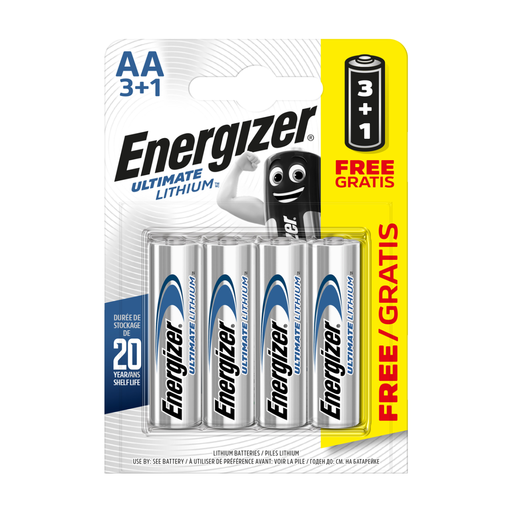
Why This Fits Their Persona: Lithium AA cells may suit outdoor equipment, cameras, gaming accessories and emergency kits where low weight and storage life matter.
The listing identifies the cells as 1.5V lithium and non-rechargeable, helping prevent unsuitable use in a charger or confusion with NiMH batteries.
Four-cell pack; stated storage life of up to 25 years; designed for a broad operating temperature range.
Keep batteries away from children and pets, particularly button cells such as CR2032, CR2450, CR2016 and LR44 batteries. Insert every cell according to the positive and negative markings, and replace all batteries in a device at the same time.
Do not mix new and used batteries, different chemistries or rechargeable and disposable cells. Remove batteries from equipment that will not be used for an extended period. Never recharge single-use alkaline or lithium batteries.
Used batteries should be taken to an appropriate battery collection point or participating retailer. Do not place loose batteries in general household waste.
We have compiled a complete, real-time list of products that fully satisfy these strict selection criteria and UK safety regulations.
They can be more economical for frequently used devices because the same cells can be recharged repeatedly. However, the initial purchase includes the batteries and charger, and performance depends on correct charging and storage. For occasional-use devices, alkaline batteries may be simpler.
Only if the device accepts the rechargeable battery’s voltage and chemistry. NiMH rechargeable AAA batteries commonly provide 1.2V rather than the 1.5V associated with alkaline cells. Check the device instructions before changing battery type.
There is no single runtime figure. A remote control or clock may use very little power, while a camera flash, toy or gaming controller can drain a cell much faster. Compare the stated chemistry, capacity where provided, pack date and intended application, then store unused batteries in suitable conditions.