One-set toy-train users
If you usually prepare one set of AA cells, check the train’s required cell count and rechargeable chemistry before choosing a compact charger. A smaller unit may be easier to accommodate on a student desk.


Check the toy train’s instructions before buying a charger: AA describes the cell size, but it does not establish whether the train accepts rechargeable NiMH cells, which GP Batteries says provide around 1.2V. If it does, a compact charger may suit one predictable set; independently monitored bays become more useful when you prepare spares or charge cells in odd numbers. In a student room, charge only while present and keep the charger away from bedding and other flammable materials.
If you usually prepare one set of AA cells, check the train’s required cell count and rechargeable chemistry before choosing a compact charger. A smaller unit may be easier to accommodate on a student desk.
If you want another complete set ready while the train’s cells recharge, count both sets when choosing capacity. Independent bays are useful when cells need charging singly, in odd numbers or from different starting charge levels.
If you charge in a bedroom or shared student room, make sure there is a hard, heat-resistant place to charge while you are present, away from bedding, flammable materials and escape routes. Greater Manchester Fire and Rescue Service advises against leaving batteries charging unattended or while you sleep.
Start with the train’s permitted batteries and cell count. Then decide whether you need capacity for spares and where you can supervise charging safely.
| Concern | What to check | Who this matters to |
|---|---|---|
| Battery compatibility | Check the train’s permitted rechargeable chemistry and voltage against the cell label; confirm that the charger supports that chemistry. | If I am replacing disposable AA cells, I need to know whether the train accepts rechargeable NiMH cells, which GP Batteries says provide around 1.2V. Around 33% of consumers put this compatibility check first. |
| Bays and individual charging | Count the cells in one train set and any spare set; check whether the charger accepts the quantities you need without requiring pairs. | I want enough cells ready for the train without waiting through extra charging cycles. Roughly 45% of consumers make set-and-spare capacity their primary concern. |
| Student-room charging | Check the power connection and instructions, and identify a hard, heat-resistant surface where charging can be supervised. | In a shared room, I need a place to charge while I am present, clear of bedding and exits. For about 22% of consumers, that manageable setup comes first. |
AA specifies size, not chemistry or rechargeability. GP Batteries says NiMH AA cells provide around 1.2V, but that alone cannot establish whether a particular train accepts them.
Read the train instructions and cell label, then use only a charger that explicitly supports the cell’s rechargeable chemistry. Do not charge disposable AA cells in a NiMH or NiCd charger.
Automatic shut-off does not replace supervision. Greater Manchester Fire and Rescue Service advises against charging batteries unattended or while you sleep.
Charge while awake and present, on a hard, flat, heat-resistant surface away from bedding, flammable items and escape routes. Follow the charger instructions and unplug it when charging is complete.
A charger intended for one small set may require separate sessions if you also want spare cells ready. Independently monitored models such as the Youshiko YC800 and ANSMANN Powerline 8 specify charging for one to eight cells.
Count the train’s cells and any complete spare set before choosing bays; check whether the charger accepts odd numbers of cells if that matters to you.
Too few usable bays can mean extra charging cycles before both sets are ready.
Batteries and electrical equipment need appropriate collection routes rather than ordinary household disposal.
Use a suitable battery collection point for spent AA cells and an electrical recycling route for the charger. GOV.UK identifies portable batteries, including rechargeable AA cells, as a category collected for recycling.
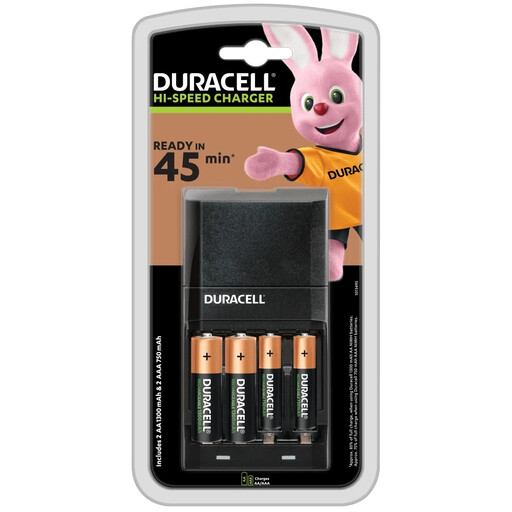
The Recharge Pro Charger is a compact route for consumers who normally charge a predictable pair or four-cell set.
The UK-version YC800 is an option when a train set and spare cells call for more independently monitored bays.
The Powerline 8 is a multi-slot option for maintaining several rechargeable sets over time.
These bundles offer compact AA charging options for preparing a toy-train set, with differing included batteries and power connections. Check the train’s battery instructions before choosing any rechargeable cells, and make sure the charger’s permitted cell count suits the set you plan to prepare.
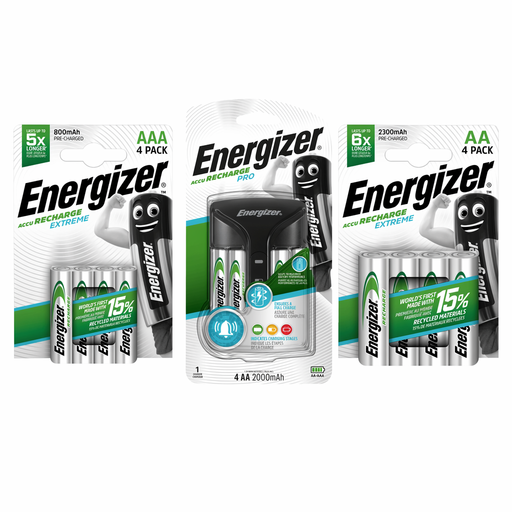 No image available
Consider this charger-and-battery kit if you want to prepare a train set and keep compatible spare cells. Confirm the exact number and type of batteries supplied before relying on it for a complete spare set.
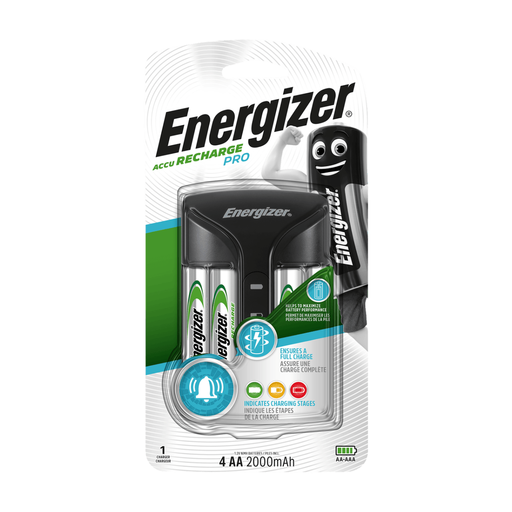 No image available
The four included AA 2000mAh rechargeable batteries make this bundle worth considering if the train needs a four-cell set. Check that the train permits their chemistry and voltage, and follow the charger’s instructions on cell quantities.
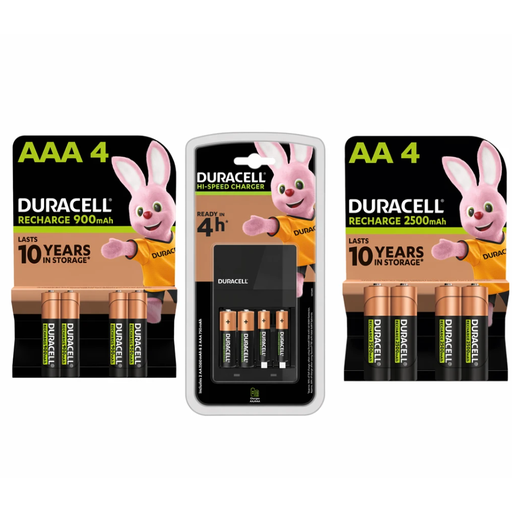 No image available
This bundle may suit a household that also uses rechargeable AAA cells, alongside the toy train’s AA set. It pairs the charger with four AA 2500mAh and four AAA 900mAh rechargeable batteries; check how many AA cells the charger can handle at once before planning a complete train set.
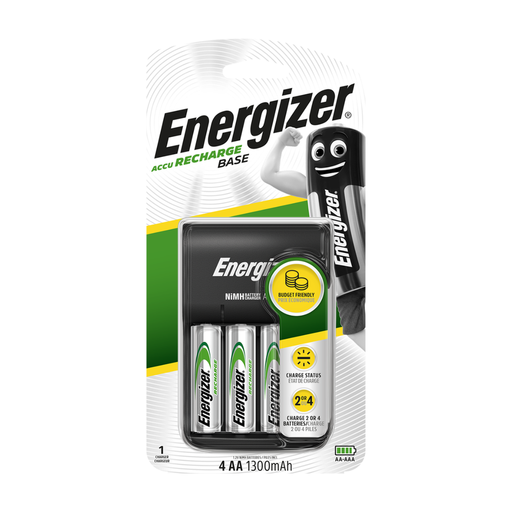 No image available
If a USB power source suits your charging space, this bundle includes four AA 1300mAh rechargeable batteries for a potential train set. Check what USB power source is required and whether a suitable mains adapter is supplied.
 No image available
This bundle includes two AA batteries, so compare that quantity with the train’s full set before buying. Check the charger instructions for paired charging and confirm the power connection supplied for your room.
No. AA describes size, not rechargeability or chemistry. Charge only cells labelled rechargeable in a charger that explicitly supports their chemistry; a NiMH or NiCd charger is not suitable for every AA-format cell.
Check the particular train before switching. GP Batteries says NiMH AA cells provide around 1.2V, but AA size alone does not establish device compatibility; consult the train’s instructions, battery-compartment markings or manufacturer guidance for permitted chemistry, voltage and cell count.
Choose capacity for the cells you actually intend to prepare, including a complete spare set if you want one. A compact charger can cover one predictable small set; an independently monitored one-to-eight-cell model is more flexible for spares, individual cells or odd quantities. Youshiko specifies those capabilities for the YC800, and ANSMANN does so for the Powerline 8.
Do not leave them charging while you sleep. Greater Manchester Fire and Rescue Service advises against unattended charging; follow the charger instructions, remain present and use a hard, heat-resistant surface away from bedding and flammable items.
Take spent AA cells to an appropriate battery collection point and the charger to an electrical recycling route rather than putting them in household rubbish. GOV.UK includes rechargeable AA cells among portable batteries covered by battery recycling guidance.