Preparing a complete lantern set
If your lantern uses several AA cells, count them before choosing a charger. Enough usable positions let you prepare the set together instead of waiting through separate charging cycles.


Check that your lantern accepts rechargeable AA cells, then choose a charger specified for their chemistry; a NiMH charger is not for disposable AA batteries. For a multi-cell lantern, count the charging positions you need and consider individual-slot control if you charge cells in varying numbers. Prioritise a shorter stated charge time only when the conditions behind that claim fit your cells and schedule.
If your lantern uses several AA cells, count them before choosing a charger. Enough usable positions let you prepare the set together instead of waiting through separate charging cycles.
If batteries sometimes go flat before a trip, power cut or evening use, charging time matters. Compare claims using their stated cell capacity and charge level rather than assuming a headline time means a full charge.
If you sometimes charge just one cell or need to identify a problematic one, look for individual-slot control and clear per-cell indications on the exact charger model.
Start with the lantern and cell labels: AA describes size, while the charger must match the rechargeable chemistry. Then count the cells you need to prepare and decide whether charging time, portable power or per-cell information matters most.
| Concern | What to check | Who this matters to |
|---|---|---|
| Cell compatibility | Check the lantern instructions, each cell label and the charger’s stated rechargeable chemistry. Do not charge disposable AA cells in a NiMH charger. | If I am sorting batteries for a lantern, I need to know which cells can safely go into the charger before I plug it in. Around 40% of consumers put chemistry compatibility first. |
| Full-set readiness | Count the lantern’s AA cells and check how many the charger accepts at once. For a speed claim, compare its cell capacity and stated level of charge with your plans. | When the lantern is needed soon, I want its whole set ready without avoidable extra cycles; around 30% of consumers make set readiness their primary concern. |
| Flexible charging | Check the power input and whether you have a suitable power source. If cell condition matters, check the exact model’s individual-slot controls and status indications. | I may need to charge away from my usual socket or tell which stored cell needs attention. For around 30% of consumers, that flexibility is the main priority. |
AA specifies the physical size, not whether a battery can be charged. Energizer’s NiMH charger instructions warn that charging other battery types may cause leaking, rupture or explosion.
Read the lantern instructions and each battery label, then choose a charger explicitly specified for that rechargeable chemistry.
A two-cell charger cannot prepare four AA cells in one charging session, even if it otherwise suits your power arrangements.
Count the cells your lantern needs and check how many AA cells the charger can accept simultaneously.
Preparing the set in separate cycles also means allowing time for the second cycle before using the lantern.
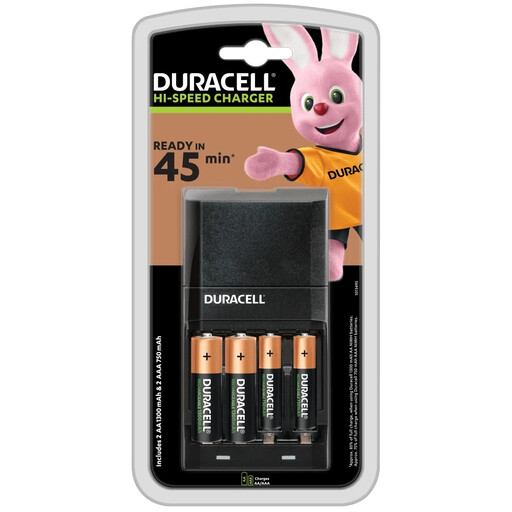
Duracell UK specifies its 45-minute figure as approximately 85% charge with 1300 mAh AA NiMH cells. That does not establish a full-charge time for other cells.
Check the stated battery capacity, number of cells and charge level behind any timing claim before planning when your lantern will be ready.
Old batteries and an unwanted electrical charger need appropriate collection routes.
GOV.UK advises taking most waste batteries to a local supermarket or other qualifying large shop that collects them. Check your local electrical recycling arrangements for the charger.
Its AA/AAA NiMH chargers are relevant when you want mains-powered charging and visible charging status.
The BQ-CC65 is worth examining if you want to charge varying numbers of AA or AAA NiMH cells.
Its UK charger range includes AA/AAA models and a multicharger for households that also use other rechargeable battery sizes.
The Comfort Mini offers a compact route for consumers who need to charge one or two cells at a time.
These choices focus on preparing rechargeable AA cells for a lantern. Compare each bundle’s AA contents and the exact charger’s simultaneous-cell capacity against your lantern’s requirements.
 No image available
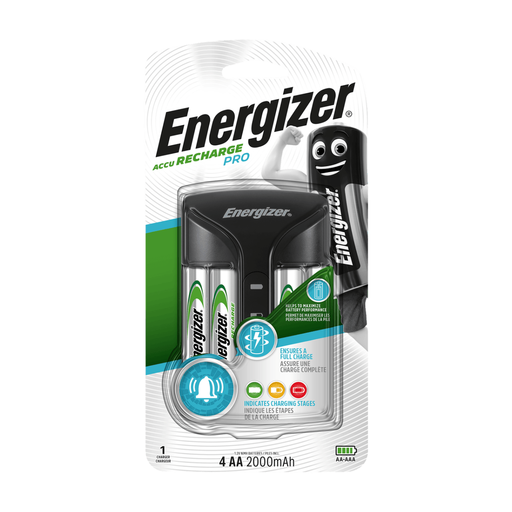
This bundle may suit a lantern that takes four rechargeable AA cells, provided the lantern accepts the cells’ chemistry. The title specifies four 2000mAh AA batteries; check the charger’s charging arrangement and the conditions behind any stated charging time.
 No image available
Consider this bundle if a shorter charging turnaround matters, but check what its timing claim means for the cells you will use. It includes two AA and two AAA batteries, so confirm whether you need additional compatible AA cells for a full lantern set.
 No image available
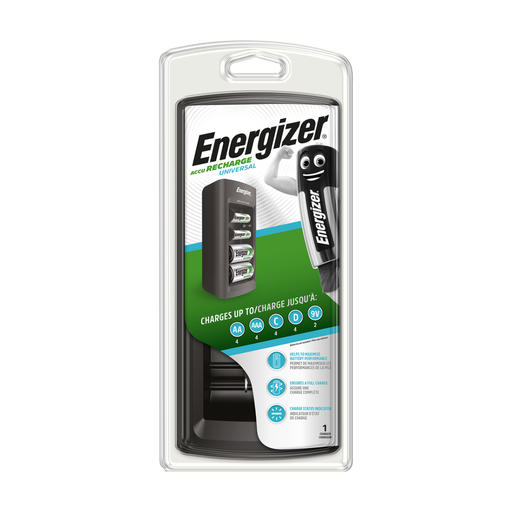
This model is worth checking if you prepare AA lantern cells and also charge other rechargeable battery sizes. Confirm its supported sizes and chemistries, the number of AA cells it can charge together and the conditions behind its stated charging time.
 No image available
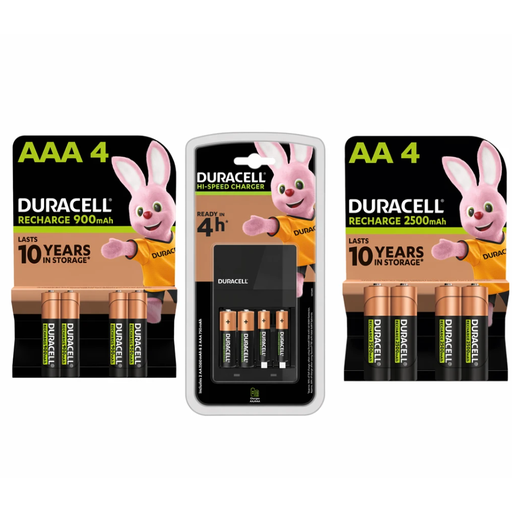
This bundle provides four AA batteries for a lantern that accepts rechargeable cells, plus four AAA batteries for other compatible devices. If preparing the entire AA set in one session matters, confirm how many AA cells the charger can charge simultaneously; the number bundled does not establish its charging capacity.
No, not in a NiMH charger. Energizer’s instructions say to charge only rechargeable NiMH batteries and warn that other types may leak, rupture or explode; check each cell’s label before charging.
Not necessarily: AA is a size, and the charger must explicitly support the cell’s chemistry. Do not assume that an AA/AAA NiMH charger also accepts a different AA-sized rechargeable chemistry.
Not on the strength of that claim alone. Duracell UK specifies approximately 85% charge in 45 minutes for 1300 mAh AA NiMH cells, so check the stated conditions against your batteries and the charge level you need.
Use it only where its instructions permit. Energizer’s Pro charger instructions specify a dry location away from rain, snow and excessive moisture.
GOV.UK advises that most waste batteries can go to a local supermarket or another qualifying large shop that collects batteries. For an unwanted charger, check the electrical recycling options available locally.