Single-lantern home-office users
If you prepare one small set of AA cells, a one-to-four-cell routine with visible charging status may be more relevant than extra bays. IKEA describes those features for its STENKOL charger.


If your lantern accepts rechargeable AA NiMH cells, choose a charger that accommodates the number of cells you use and makes charging status clear. Individual channels offer flexibility for small sets; a faster stated charge time matters when turnaround is short, while eight slots are more useful when you also maintain cells for other devices. Check the lantern’s battery instructions before choosing any cells or charger.
If you prepare one small set of AA cells, a one-to-four-cell routine with visible charging status may be more relevant than extra bays. IKEA describes those features for its STENKOL charger.
If you use your lantern regularly and have little time to recharge its cells, compare stated charging times for the number and capacity of AA cells you actually use. A Joybuy listing describes a four-hour Duracell charger for compatible NiMH cells.
If you prepare lantern cells alongside AA or AAA cells for other devices, more bays and individual cell monitoring may be useful. ANSMANN specifies both for its Powerline 8.
Check the lantern’s battery requirements first, then decide how quickly and how many cells you need to prepare. A charger’s stated time is meaningful only under its specified battery and charging conditions.
| Concern | What to check | Who this matters to |
|---|---|---|
| Cell compatibility | Check the lantern’s required cell count, permitted chemistry and voltage guidance; match the rechargeable cells to the charger’s instructions. | If I am changing from ordinary AA cells to rechargeables, I need to know that both my lantern and charger accept the cells I intend to use. Around 44% of consumers would put compatibility first. |
| Charging readiness | Compare stated times for a similar AA capacity and number of occupied bays; check how the charger indicates status. | When I need the lantern again soon, I want to know when its cells are ready rather than rely on a headline charge time. For around 33% of consumers, readiness would be the primary concern. |
| Number of cells | Count the lantern cells and any spare or other AA/AAA sets you will regularly charge; check whether cells are monitored individually. | If I also maintain batteries for other devices, I need enough bays for that routine without choosing capacity solely for occasional use. Cell management would come first for around 23% of consumers. |
AA describes the cell’s size, not its chemistry. Energizer’s instructions for its documented NiMH charger exclude alkaline and other unsupported cells; IKEA likewise specifies rechargeable NiMH cells for STENKOL.
Read the labels on the cells and the instructions for the exact charger. Never put non-rechargeable AA cells in a charger intended for rechargeable NiMH cells.
Capacity and the number of cells being charged affect whether a quoted time applies. IKEA states a typical 6–8 hours for four AA cells in STENKOL, rather than its shorter time for fewer cells.
Compare the stated conditions with your intended AA capacity and the number of cells you will charge together.
ANSMANN’s Powerline 8 can charge up to eight compatible AA/AAA cells, but that capacity addresses a different routine from preparing only one small lantern set.
Count the cells your lantern requires and any spare or household sets you will regularly maintain before choosing the number of bays.
STENKOL is a one-to-four-cell charging option for compatible rechargeable AA/AAA NiMH cells.
The CEF14 kit is worth comparing if shorter turnaround and supplied rechargeable cells matter to you.
Powerline 8 addresses routines involving several AA/AAA rechargeable-cell sets.
The eneloop range offers AA rechargeable-cell options alongside the BQ-CC55 charger.
Its charger instructions illustrate why the exact model’s battery requirements matter.
These charger and charger-kit options relate to preparing rechargeable AA cells for a lantern. Compare the included cells, power connection and stated charging conditions against your lantern’s instructions before choosing.
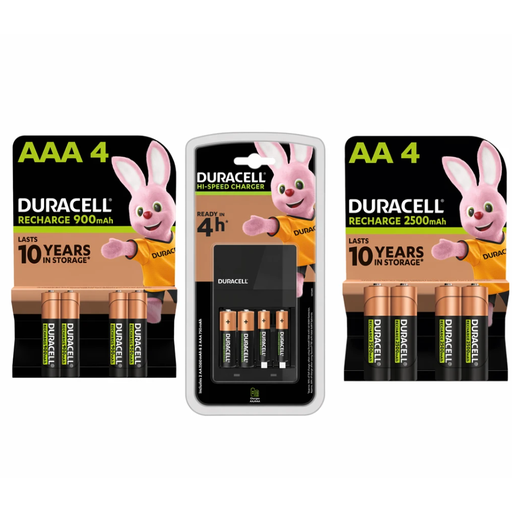 No image available
Consider this kit if you want rechargeable AA cells alongside a charger and also use AAA cells elsewhere. Check the exact bundle contents and whether the charger accommodates the number of AA cells your lantern needs at once.
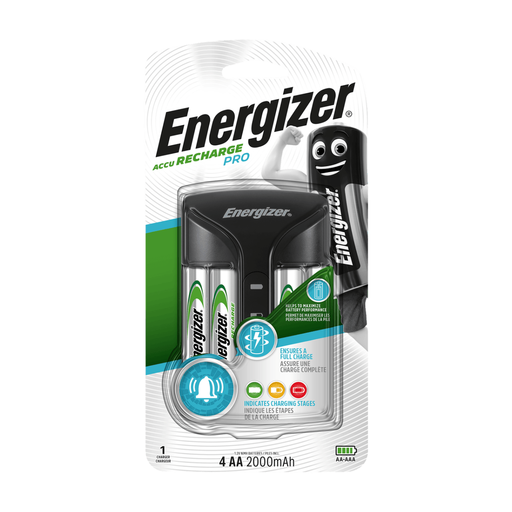 No image available
This kit is a starting point if your lantern requires four AA cells and permits the supplied rechargeable type. Check its battery instructions and the charger’s stated conditions for charging a full set.
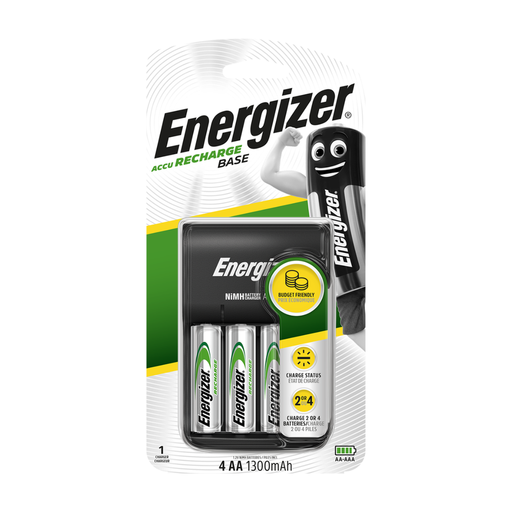 No image available
Consider this kit if USB power suits your desk setup and your lantern accepts the supplied rechargeable AA cells. Check what USB power equipment you need and confirm the charging conditions before relying on it for a timed preparation routine.
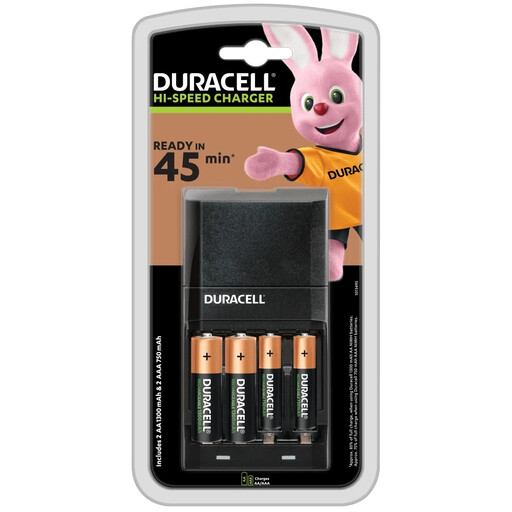 No image available
The two included AA cells make this kit more directly relevant to a lantern that uses two compatible cells than one requiring a larger set. The stated 45-minute figure concerns two AA cells reaching approximately 85%, not a full charge for four; check the plug and other charging conditions.
 No image available
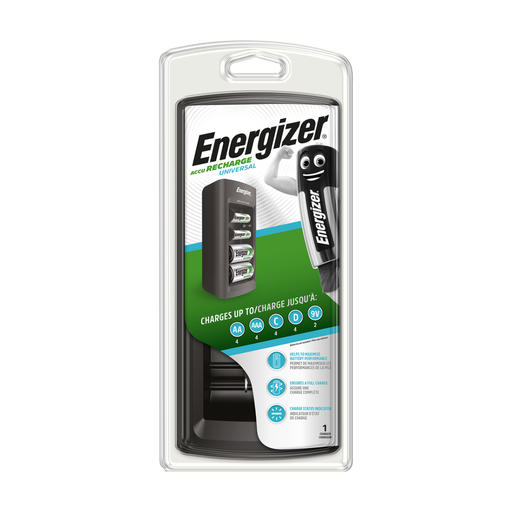
If you already own rechargeable cells, compare this charger’s instructions with their chemistry and the number of AA cells your lantern uses. Check the exact unit’s power connection, charging indication and included items before choosing it.
No—not in a charger specified for rechargeable NiMH cells. Energizer’s instructions for its documented charger explicitly exclude alkaline batteries, and IKEA says STENKOL is for rechargeable NiMH cells.
The time depends on the charger and its stated conditions, including cell capacity and the number of occupied bays. IKEA gives a typical 6–8 hours for four AA cells in STENKOL; compare that with other models only after checking the batteries and conditions used for their quoted times.
Not necessarily: AA size alone does not establish chemistry or voltage compatibility. Check your lantern’s battery instructions and required cell count; for example, IKEA specifies its LADDA rechargeable AA cell at 1.2V.
Use an appropriate battery collection or take-back route rather than putting spent cells in ordinary waste. UK government guidance describes waste-battery collection and recycling arrangements; check which loose batteries your local collection point accepts.