Households short of sockets
If another mains plug would be awkward, consider USB input—but check the charger’s power requirements against the USB source you plan to use.


Choose a USB-input AA charger if you have a suitable USB power source and keeping a wall socket free matters most. A mains-plug charger is worth considering when a shorter stated charging time matters more and you can spare a socket; either way, check that the toy accepts rechargeable AA cells and that the charger supports their chemistry.
If another mains plug would be awkward, consider USB input—but check the charger’s power requirements against the USB source you plan to use.
If waiting matters more than occupying a socket temporarily, compare the stated charging times for the particular rechargeable AA cells you intend to use.
If the charger will also serve other rechargeable cell sizes, check each supported size and chemistry rather than choosing by the toy car’s AA requirement alone.
For a toy car, check the manual and cell labels before choosing a charger. Once rechargeable AA cells are confirmed as suitable, decide whether saving a socket, preparing spares or shortening the wait matters most.
| Concern | What to check | Who this matters to |
|---|---|---|
| Keeping a socket free | Check for USB input and confirm that your USB source meets the charger’s input requirement. | If the available sockets are already in use, I want to charge the cells from a suitable USB source instead. Around 31% of consumers put keeping a socket free first. |
| Preparing spare cells | Match the AA slot count to the cells you need; check whether charging requires pairs. | When I want another set ready for play, I need a charging arrangement that fits that set. Preparing spares comes first for around 25% of consumers. |
| Reducing the wait | Read the battery capacity and charge level attached to any stated charging time. | If the toy will be used again soon, I would accept occupying a socket to shorten the wait. That turnaround is the main concern for around 19% of consumers. |
| Cell and charger compatibility | Check the toy manual, rechargeable-cell chemistry and charger label before charging. | Before thinking about speed, I need to know the toy can use these cells and the charger can charge them. Around 25% of consumers place compatibility and safe charging first. |
AA describes a size, not a rechargeable chemistry. XTAR states that its L4 charger does not charge alkaline cells or 3.6V/3.7V lithium-ion cells.
Check the toy manual and the labels on both the cells and charger; charge only a rechargeable chemistry the charger explicitly supports.
USB input alone does not mean an existing adaptor will meet the charger’s requirements. BatterySaver UK lists a minimum 2A USB adaptor requirement for the Ansmann USB Universal Multi and says the adaptor is not included.
Check the input rating, connector and included accessories against the USB source you intend to use.
If your existing USB source is unsuitable, you will need a suitable adaptor separately.
Duracell’s stated charging times depend on the specified AA NiMH cells and charge level; they are not universal full-charge times.
Read the conditions beside the time claim and plan around the particular cells you will charge.
Greater Manchester Fire and Rescue Service advises against leaving batteries charging unattended or charging them when you go to bed. A 2022 Office for Product Safety and Standards report also identified electric-shock and fire risks from the unsafe plug construction of one four-slot AA/AAA charger; that finding concerns the reported product, not every charger of that type.
Buy from a reputable seller, inspect the charger and cells for damage, follow their instructions and remain present while charging.
A USB-input option to consider when a separate wall socket is hard to spare.
A USB-powered route for households also charging other compatible cell sizes.
Mains-plug AA/AAA NiMH chargers to consider when a socket can be set aside for charging.
A USB-C option to examine if your household uses more than one supported rechargeable chemistry.
These options include a USB charger for conserving socket space and mains-powered kits to consider when you can spare a socket. Check the toy’s AA-cell requirements before choosing a bundle.
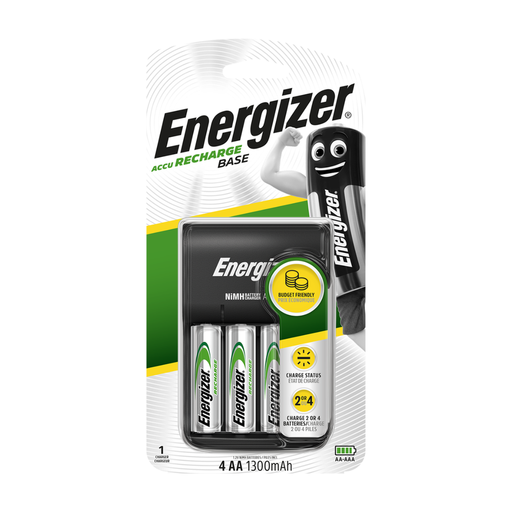 Image unavailable
Consider this USB kit if conserving a wall socket is your priority and you have a suitable USB power source.
The named bundle includes four rechargeable AA 1300mAh batteries. Check the charger’s connector and required power input against your USB source.
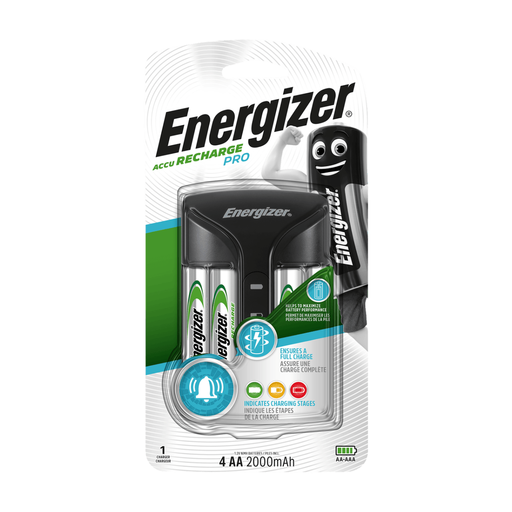 Image unavailable
Consider this kit if you can set aside a mains socket and want rechargeable AA cells supplied with the charger.
The named bundle includes four AA 2000mAh rechargeable batteries. Check any stated charging time against those cells rather than assuming it applies to other AA batteries.
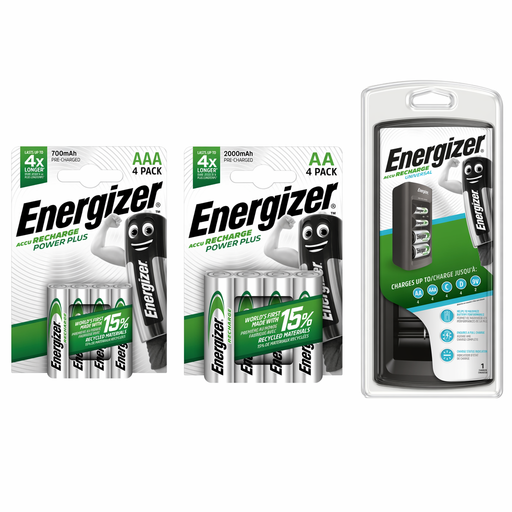 Image unavailable
Consider this starter kit if you also use rechargeable AAA cells and can make a mains socket available.
The named kit includes AA and AAA batteries. Check the exact included cells and confirm that the toy accepts the AA rechargeable cells you plan to use.
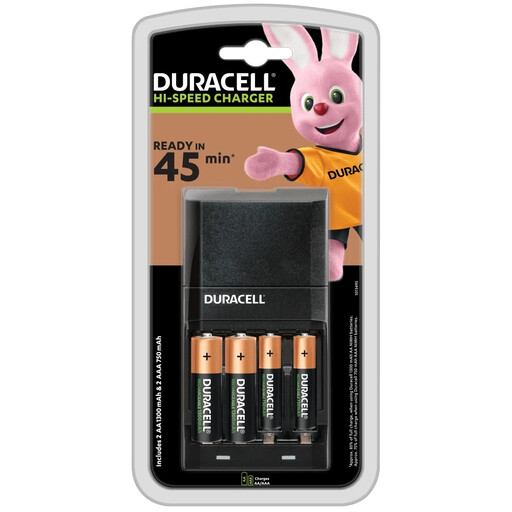 Image unavailable
Consider this mains-powered kit when turnaround matters more than keeping a socket free.
The named bundle contains two AA and two AAA batteries. Treat the charging-time wording as conditional, and check whether two AA cells cover the toy’s requirements.
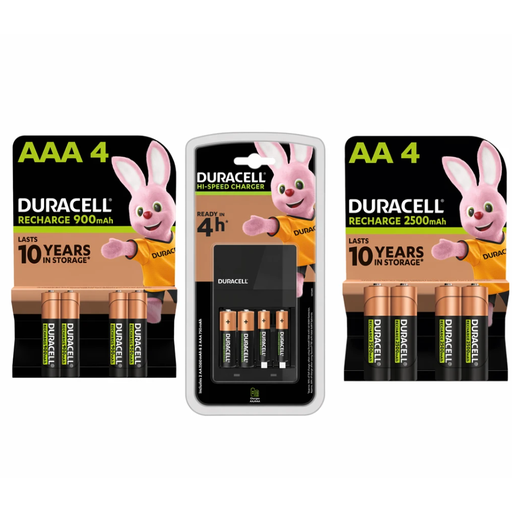 Image unavailable
Consider this mains-powered bundle if you want rechargeable AA cells for the toy and also use AAA cells.
The named battery variants are AA 2500mAh and AAA 900mAh. Confirm the quantity of each size included before buying, and check the conditions behind the charger’s stated time.
No: AA identifies the cell size, not whether it can be recharged. Check the cell label, toy manual and charger’s supported chemistry; XTAR, for example, states that its L4 does not charge alkaline or 3.6V/3.7V lithium-ion cells.
It can avoid occupying another dedicated wall socket if you have a suitable USB power source. Check the particular charger’s connector and input rating: BatterySaver UK says the Ansmann USB Universal Multi needs an adaptor rated at least 2A and does not include one.
Do not leave them charging while you sleep. Greater Manchester Fire and Rescue Service advises against unattended charging or charging when you go to bed; follow the charger and battery instructions while you remain present.
Choose a reputable seller and check the product and its instructions before use. Look for applicable UKCA or CE marking, inspect the charger and cells for damage, and confirm that the charger supports the exact rechargeable-cell chemistry you will use.