Lantern users with few free sockets
If an outlet is hard to spare, a USB-input charger is worth considering where you already have a suitable USB power source. Check the charger’s input requirement before relying on that setup.


Choose a USB-input AA charger if keeping a wall socket free matters most and you have a compatible USB power source. A UK-plug charger is worth considering when charging time matters more and you can spare an outlet, but published times depend on the charger and the cells used. Before buying either type, check how many AA cells the lantern needs and whether its instructions permit rechargeable NiMH cells.
If an outlet is hard to spare, a USB-input charger is worth considering where you already have a suitable USB power source. Check the charger’s input requirement before relying on that setup.
If the lantern must be ready by a particular time, check how many cells the charger accepts at once and which batteries a stated charge time applies to. A quicker plug-in option still needs a free outlet.
If AA cells are only part of what you recharge, a universal charger may also cover other sizes. Check its supported chemistries and charging channels rather than assuming every slot works independently.
The main choice is whether to preserve a wall socket or give charging time greater priority. Either way, the lantern’s cell requirements come before the charger’s advertised features.
Choose it when: You have a suitable USB supply and want to charge away from a crowded wall outlet.
Trade-off: USB input still requires compatible power; check the exact input rating and what comes in the box.
Choose it when: You can spare a mains outlet and a stated charging time suits your preparation schedule.
Trade-off: It occupies the outlet, and the stated time may apply only to specified cells and conditions.
| Concern | Buying checks | Who this matters to |
|---|---|---|
| Free wall sockets | Check the USB input rating against your available power source and confirm which cable or adaptor is included. | I want to prepare the lantern’s cells without occupying an outlet I need for something else. Around 42% of consumers put keeping a wall socket free first. |
| Cells ready in time | Count the lantern’s AA cells and compare charge times only for the specified cell capacity and conditions. | Before an outing, I need enough charged cells for the lantern rather than a quick result for only part of its set. For around 33% of consumers, readiness is the primary concern. |
| Cell handling | Check NiMH compatibility and whether cells are monitored individually; on universal chargers, distinguish slots from channels. | If I charge an uneven set or other household battery sizes, I need the charger to handle those cells as intended. Flexible, compatible cell handling comes first for around 25% of consumers. |
An AA cell’s shape does not establish its chemistry. Energizer’s NiMH charger instructions warn against charging unapproved battery types because they may leak, rupture or explode.
Read the cell label, charger instructions and lantern manual. Use rechargeable NiMH AA cells only where both the charger and lantern permit them.
A USB charger still needs a suitable power source. ANSMANN specifies 5V DC input for its Comfort Smart model, while GP Batteries specifies 5V/2A for the B631.
Match the chosen charger’s input specification to your USB supply, and check the exact listing for the cable and adaptor.
If a compatible adaptor is not included and you do not already have one, you will need to obtain one separately.
GP Batteries lists six slots but four channels for the B631. A published charge time can also apply to particular cells rather than every AA battery you own.
Check the channel layout and the cells and conditions behind any charge-time claim. Allow time to charge the intended lantern set before you need it.
UK government guidance directs consumers towards battery collection points for waste batteries.
Check whether a local supermarket, large battery retailer or household waste recycling centre accepts your spent rechargeable cells.
The Comfort Smart 1001-0092 is a USB-input example for charging one to four AA or AAA NiMH cells when a wall socket is difficult to spare.
The B631 is a USB-input universal-charger example for a household that charges AA lantern cells and other rechargeable sizes.
The BQ-CC65 is an example for users who want individual charging and battery-condition feedback while preparing AA cells.
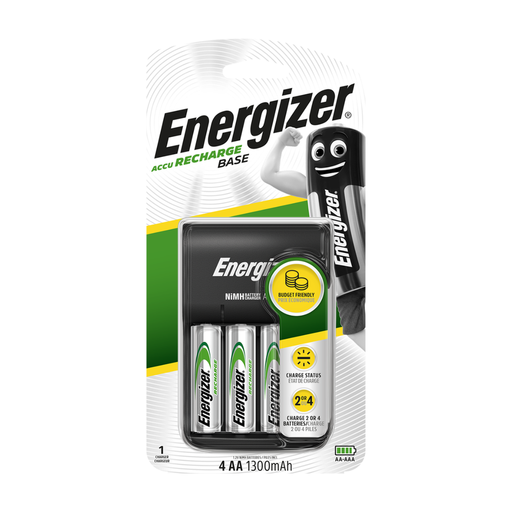
A UK-listed Energizer 1hr Charger illustrates the plug-in route when a free socket and charging time take priority over USB input.
These bundles cover a USB-input option for keeping a socket free and plug-in options for preparing AA cells when an outlet is available. Check the lantern’s cell count and battery requirements before choosing a bundle.
 No image available
Consider this USB-input bundle if you want to prepare AA cells without dedicating a wall socket to the charger. It includes four rechargeable 1300mAh AA batteries.
Check the charger’s USB input requirement, the included accessories and whether the lantern accepts the supplied cells.
 No image available
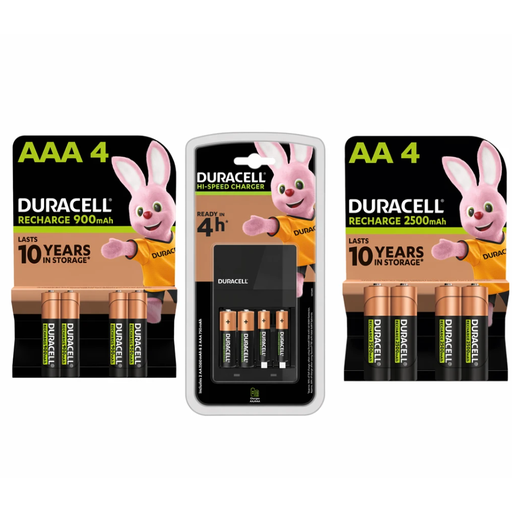
This bundle may suit a household preparing AA lantern cells alongside AAA batteries. It includes four rechargeable 2500mAh AA cells and four rechargeable 900mAh AAA cells.
The UK-plug charger occupies a mains socket. Check the lantern’s battery requirements and the charging-time conditions before relying on its 4-Hour name for your cells.
 No image available
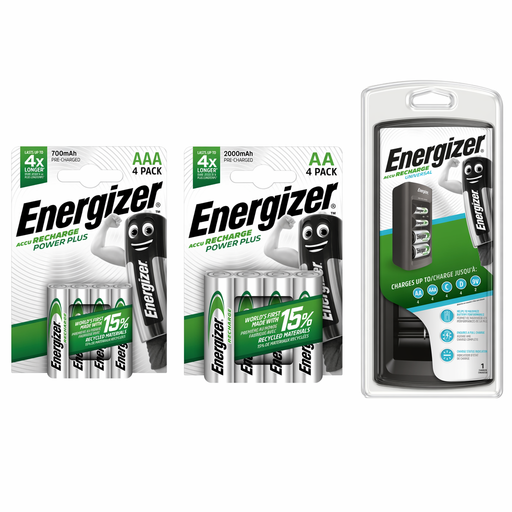
Consider a universal charger if you prepare the lantern’s AA cells and also recharge other household battery sizes. This starter kit includes AA and AAA batteries.
Its integrated UK plug takes up a wall socket. Check supported sizes, chemistry and charging arrangements against the cells you intend to use.
 No image available
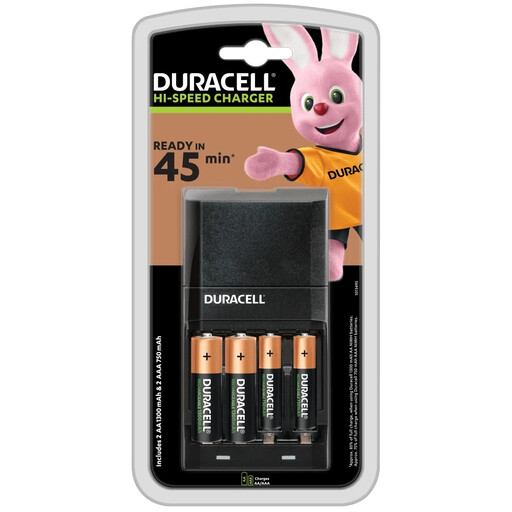
This smaller AA-and-AAA starter bundle is an option when a mains socket is available and you are planning when to prepare the lantern’s cells. It includes two AA and two AAA batteries.
The stated 45-minute result concerns two AA cells reaching approximately 85%, not a full charge for every cell. Check whether two AA cells meet the lantern’s requirements.
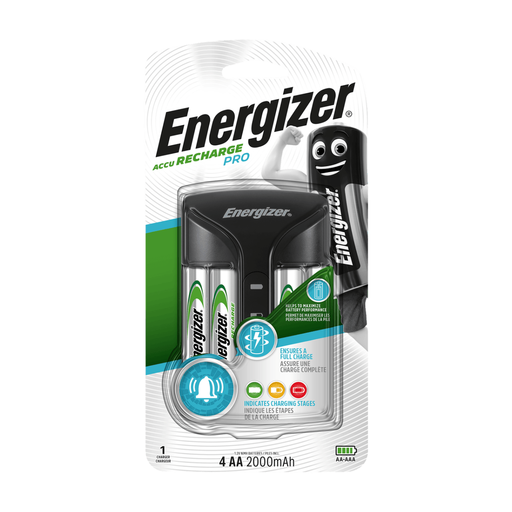 No image available
This four-cell AA bundle is worth considering if the lantern accepts the supplied rechargeable batteries and you can spare a mains outlet. The included AA cells are rated at 2000mAh each.
The UK-plug charger does not keep a socket free. Check the lantern’s required cell count and the conditions behind any charging time stated for the included cells.
No. Energizer’s NiMH charger instructions warn that charging other rechargeable or non-rechargeable battery types may cause leaking, rupture or explosion. Check both the cell label and the charger instructions before inserting a battery.
It can, if you have a compatible USB power source that does not need the socket you are trying to keep free. Check the selected model’s input rating and whether a cable or mains adaptor is included.
Not necessarily. GP Batteries specifies six slots but four channels for the B631, so check both figures and the model’s instructions before planning how to charge an uneven set.
Take them to an appropriate battery collection point rather than putting them in household rubbish. GOV.UK identifies supermarkets and other large shops as collection options for most waste batteries; check your local collection arrangements.