
24/7 Customer Support

Free returns

Same-day & Next-day Delivery

Quality Guaranteed

Unlock Your Welcome Offers: FREE Delivery | Up to 80% OFF | Free 30-day JoyPlus trial
Download the APP
From the TV remote that suddenly stops working during a film night to a child's favourite toy going silent, a dead battery is a common household frustration. When it comes to replacing them, the wall of options can be confusing. Many of us simply grab a familiar brand or a large pack, hoping for the best. However, this approach often leads to wasted money and poor performance.
As a Joybuy Product Recommendation Officer, I analyse market information to help you make practical choices. Before you buy your next pack of triple A batteries, be aware of these common purchasing pitfalls:
To avoid these traps, focus on a few core parameters. Understanding these will ensure you select a battery that is safe, reliable and cost-effective for your specific devices.
The chemical composition of a battery is the single most important factor determining its performance. The three main types of AAA batteries each serve a different purpose.
A battery's job isn't just to provide power but also to protect the device it's in. Reputable brands like Duracell and Energizer invest in safety features.
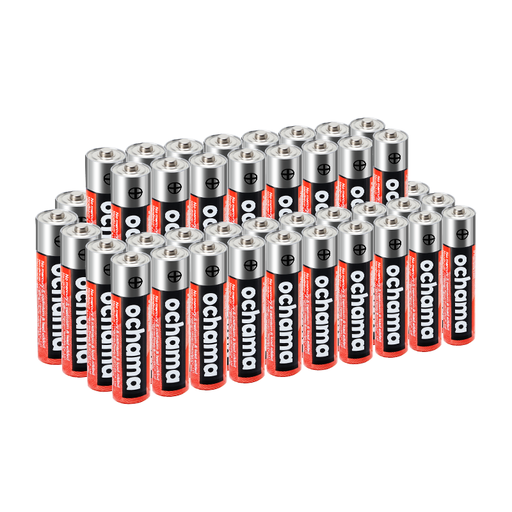
Why This Fits Their Persona: This user needs a reliable and economical power source for everyday, low-drain devices like TV remotes, clocks and kitchen scales. This 40-pack offers excellent value, ensuring the home is always stocked up.
By being a standard alkaline battery, it is correctly matched to low-drain devices, avoiding the performance mismatch trap. Buying in bulk provides a low cost-per-unit for everyday needs.
Excellent cost-effectiveness with a large 40-piece pack. Mercury-free composition is suitable for standard household electronics.
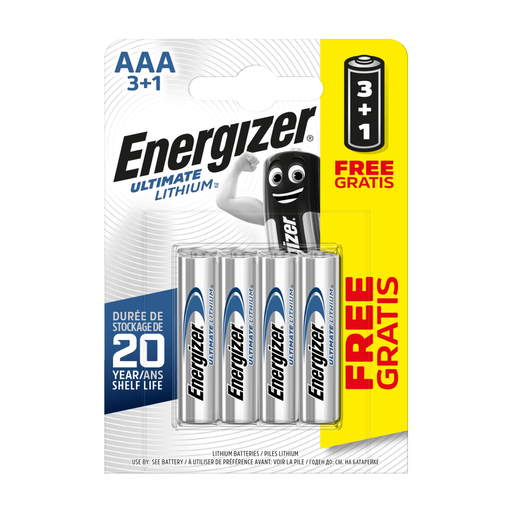
Why This Fits Their Persona: Ideal for tech enthusiasts with high-drain devices like digital cameras, gaming controllers or outdoor GPS units. They need maximum power output and reliability, especially in varying temperatures.
Its lithium chemistry is specifically engineered for high-drain devices, directly countering the "long-lasting" myth of using alkaline in the wrong application. The leak-resistant design protects expensive tech.
Provides consistent power in extreme temperatures (-40°C to 60°C) and has a very long storage life of up to 25 years. It is also significantly lighter than alkaline batteries.
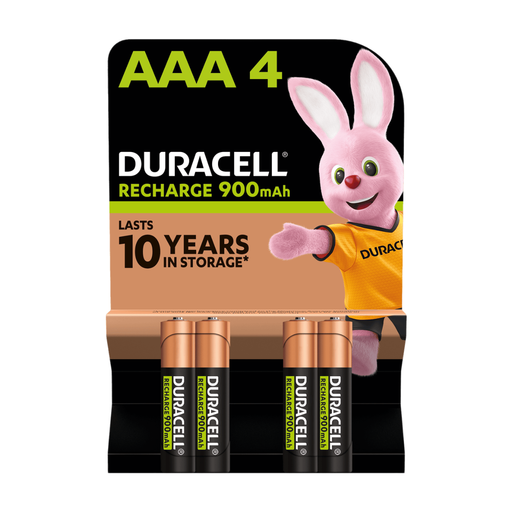
Why This Fits Their Persona: Perfect for families with numerous battery-hungry toys, wireless mice and other frequently used gadgets. This user wants to reduce waste and the recurring cost of buying disposable batteries.
This directly solves the "hidden cost" trap of constantly replacing disposables in high-use items. A one-time purchase (plus a charger) provides power for years, offering great long-term value.
High 900mAh capacity provides long runtime in demanding devices. Can be recharged hundreds of times, significantly reducing waste and long-term cost.
We have compiled a complete, real-time list of products that fully satisfy these strict selection criteria and UK safety regulations.
The main difference is in performance and ideal use. Alkaline batteries are best for everyday, low-drain devices like remote controls and clocks, offering good value. Lithium batteries are designed for high-drain devices like digital cameras and gaming controllers, providing more power, longer life in those applications and better performance in extreme cold or heat.
Generally, it is not the most cost-effective use. Remote controls consume very little power, so a standard set of alkaline batteries can last for a year or more. Rechargeable batteries are better suited for devices that you use frequently and that drain batteries quickly, such as wireless mice, gaming controllers or children's toys.
This depends on the type. High-quality alkaline batteries from brands like Duracell and Energizer typically have a shelf life of up to 10 years. Lithium AAA batteries can last even longer, often up to 20-25 years in storage. Always check the packaging for the "use by" date and store them in a cool, dry place.