
24/7 全天候客户支持

免费退货

当日/次日达

品质保障

开启新人专享福利: 全场免邮 | 低至 2 折 | 免费试用 30 天 JoyPlus 会员
下载 Joybuy
Navigating the aisle for absorbent hygiene products can feel overwhelming. Whether for menstrual care or bladder leakage, the shelves are filled with promises of ultimate comfort, total discretion and eco-friendliness. Yet, many UK shoppers find their purchases fall short, leading to discomfort, inconvenience and wasted money.
As a Joybuy Product Recommendation Officer, my role is to help you see past the marketing clutter. Before you make your next purchase, be aware of these common pitfalls:
To make an informed choice, focus on a few key specifications. These objective factors will help you find a product that truly meets your needs for comfort, security and personal values.
The material that comes into contact with your body is a critical consideration, especially for those with sensitivities.
Understanding absorbency ratings is the key to avoiding leaks and ensuring comfort. Don't rely on marketing terms alone; look for more specific indicators.
The form factor of a product determines its ease of use and discretion.
Based on these practical criteria, we've identified several products that align with the needs of different UK users.
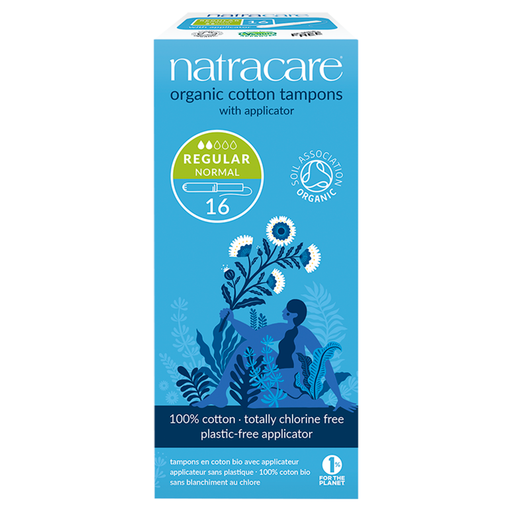
Why This Fits Their Persona: This user prioritises natural materials and minimal environmental impact. They actively seek out plastic-free and organic options for their personal care routine.
It avoids the "eco-friendly" mirage with verifiable credentials. The tampons are 100% organic cotton and the applicator is made from compostable cardboard, not plastic.
Totally chlorine-free and plastic-free, making it an excellent choice for those with sensitive skin or who are committed to reducing plastic waste.
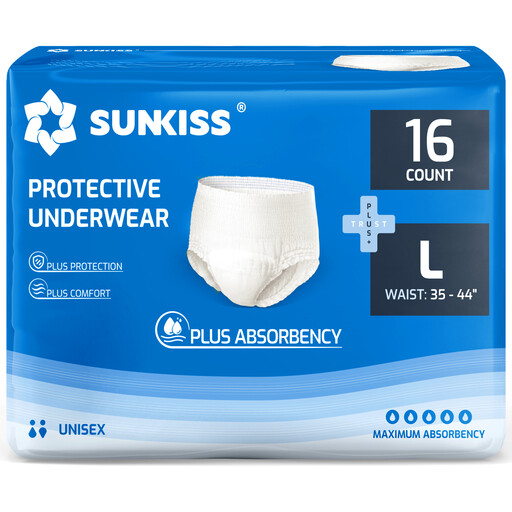
Why This Fits Their Persona: This individual requires maximum reliability for significant bladder leakage or overnight protection. Security and odour control are their top priorities.
It counters the vague absorbency trap by clearly stating its purpose: heavy absorbency. Features like anti-leak side barriers and a highly absorbent core provide tangible security.
Features an advanced odour-control system and a pH-balanced, breathable fabric, promoting skin health while ensuring dryness and freshness for hours.
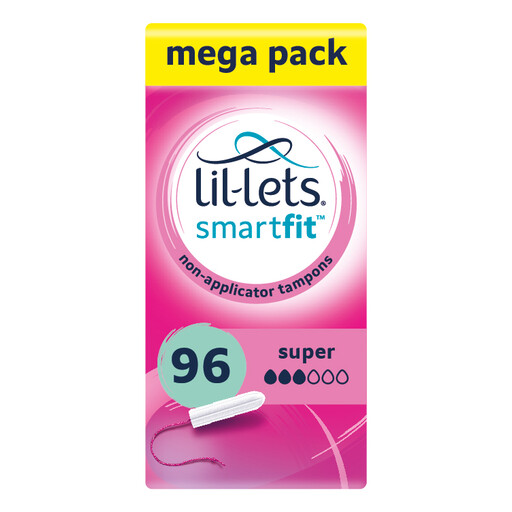
Why This Fits Their Persona: This user values convenience, discretion and value. They need a reliable product that is easy to carry and prefer to buy in larger quantities to save time and money.
It resolves the comfort vs. discretion trade-off. The non-applicator design is extremely compact for discreet portability, while the "Super" absorbency provides reliable protection.
This is a bulk tampons pack (6 packs of 16), offering excellent value and ensuring you are well-stocked. The individually wrapped tampons maintain hygiene on the go.
We have compiled a complete, real-time list of products that fully satisfy these strict selection criteria and UK safety regulations.
Start by assessing your level of leakage. For light, occasional drips, a "light" or "moderate" absorbency product is usually sufficient. For more significant leakage, especially overnight or when active, look for products specifically labelled for heavy absorbency or "overnight" use. These feature a more substantial core and added leak guards for better security. It may take some trial and error to find the perfect fit for your needs.
Choosing between organic and conventional tampons is a personal decision. The primary difference is the material. Organic tampons are made from 100% cotton grown without synthetic pesticides and are not processed with chlorine bleach. This can be a significant factor for individuals with chemical sensitivities or those who prioritise using natural, sustainable materials. Conventional tampons may contain a blend of cotton and viscose (rayon) and are bleached using an elemental chlorine-free process.
No. You should never flush tampons, pads or any disposable absorbent hygiene products down the toilet in the UK. These items do not break down like toilet paper and are a primary cause of blockages in household plumbing and public sewer systems, contributing to costly "fatbergs." Always wrap used products and dispose of them in a sanitary bin or general household waste.