
24/7 Customer Support

Free returns

Same-day & Next-day Delivery

Quality Guaranteed

Unlock Your Welcome Offers: FREE Delivery | Up to 80% OFF | Free 30-day JoyPlus trial
Download the APP
Acacia wood servingware can bring warmth and texture to a dining table, whether you are preparing a weekday salad, hosting a buffet or arranging a cheese and charcuterie board. However, attractive photography and phrases such as “handcrafted” do not always reveal whether a piece will suit your kitchen, storage space or cleaning routine.
Before buying, watch for three common pitfalls:
The right choice depends on the food you serve, the number of guests and how much maintenance you are prepared to provide.
Start by considering how the item will be used. A four-section serving dish is suitable for separating dips, nuts, olives and crisps, while a three-section serving dish can work well for a smaller selection of nibbles or condiments.
Look for:
A large open bowl is more practical for leafy salads, pasta salads or shared snacks. For example, a 26cm square serving bowl with 8cm-high sides offers a different type of capacity from a divided dish, even if both are marketed for entertaining.
Acacia has naturally varied light and dark grain, so each piece may look slightly different. This is part of the appeal of handcrafted wooden tableware, but buyers should still check the listing for the stated material rather than assuming that a wood-effect finish is solid timber.
For food presentation, look for:
Descriptions such as “food-safe” should be read alongside the care instructions. They do not mean the product is suitable for soaking, microwave use or dishwasher cleaning.
Most acacia wood serving dishes require hand washing or wiping with a damp cloth, followed by immediate drying. Avoid leaving food residue on the surface for long periods, particularly oily or strongly coloured ingredients.
For regular use:
This routine helps preserve the grain and reduces the risk of warping, odours or a dull finish.
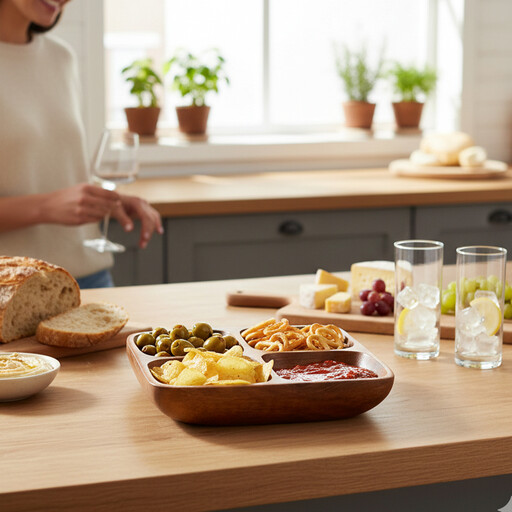
Why This Fits Their Persona: A practical starting point for flats, family kitchens and occasional hosts who want several snack options in one compact dish.
Four equal, deep compartments help prevent dips, nibbles and condiments from running together, unlike a flat undivided platter.
Solid acacia construction, a square shape and a rounded bottom designed for stable carrying.
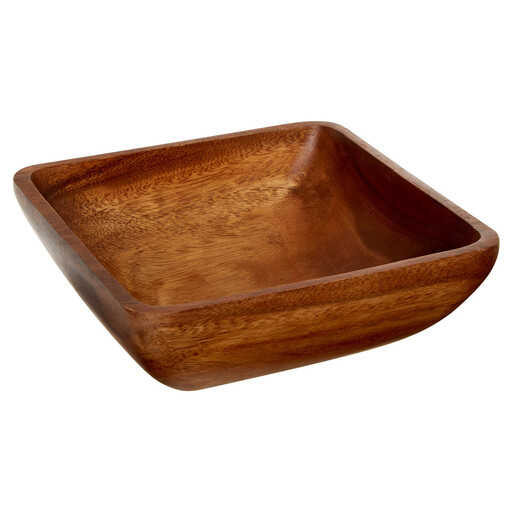
Why This Fits Their Persona: Suited to hosts who prefer a clean, open presentation for salads, nibbles and shared dishes at dinner parties.
The 26cm by 26cm form and high sides provide a defined serving area rather than a shallow decorative tray.
Handcrafted acacia with naturally varied grain and an 8cm height for containing salads and snacks.
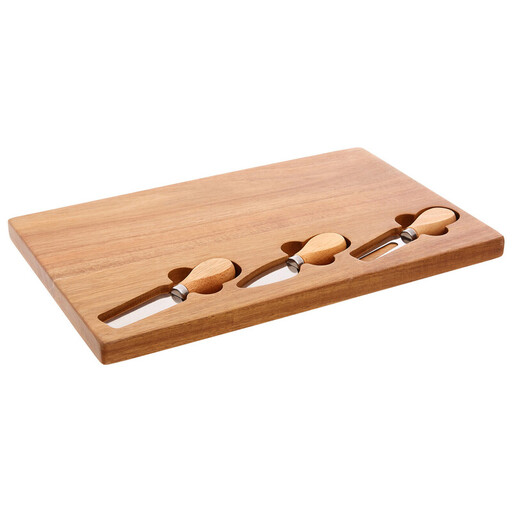
Why This Fits Their Persona: A focused option for regular hosts who serve cheese, charcuterie, fruit and crackers and want tools stored with the board.
The integrated three-section storage area keeps the included knives together, avoiding loose utensils around the serving table.
A 37cm by 23cm presentation surface with three stainless steel cheese knives and rubberwood handles.
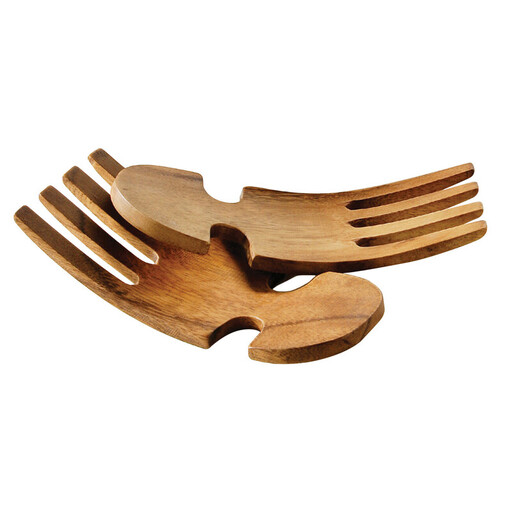
Why This Fits Their Persona: A useful addition for households serving leafy salads, pasta salads or coleslaw regularly, including at barbecues and family meals.
The curved shape and carved grip are designed for controlled scooping and mixing, rather than relying on flat decorative utensils.
Set of two solid acacia servers with rounded handles and a lightweight, compact form.
We have compiled a complete, real-time list of products that fully satisfy these strict selection criteria and UK safety regulations.
Yes, it can suit everyday dining when maintained correctly. Wipe it clean after use, dry it promptly and avoid soaking. Use separate servingware where appropriate for very wet foods or ingredients that may stain, and follow the care instructions supplied with the product.
Lifespan depends on construction, frequency of use and care. Solid pieces with secure joins and smooth surfaces may remain useful for a long time, but repeated dishwasher cycles, standing water and sudden temperature changes can shorten their usable life. Periodic food-safe mineral oil may be recommended for some items.
Choose a wooden serving bowl for salads and larger shared portions, a divided dish for separate snacks and condiments or an acacia cheese board with knives for cheese and charcuterie presentations. If you regularly serve salad, a pair of wooden salad servers is a practical complement. Consider table space and cupboard storage before ordering, as rustic serving accessories are most useful when they fit naturally into your existing routine.