What to check before buying
Work from the task that is difficult, then test the available feature or accessory in the device, apps and environment where it will actually be used.
| Priority |
What to check |
Your needs |
| Try existing features first |
Test screen reading, spoken output, display adjustments, dictation and voice control in the apps, websites and documents used every day. Check whether the feature supports the task rather than relying on its name alone. |
I want to find out whether my current phone, tablet or computer can make reading, writing, communication or navigation workable before I add more equipment. |
| Alternative input |
Confirm operating-system support, connection type, wireless compatibility and any required software for a keyboard, microphone, switch or other input device. Check the physical setup as well as the technical connection. |
I need a dependable way to type, point, navigate or control a device when ordinary touch, mouse, keyboard or voice use is difficult. |
| Exact compatibility |
Check the precise device model, installed operating-system version, supported language, region, app requirements and accessory standard. Microsoft states that Voice Access requires Windows 11 version 22H2 or later, while Google notes that TalkBack setup can vary by manufacturer and software version. |
The feature or accessory needs to work with my actual device, preferred language and daily apps, not simply with a similar model or product category. |
| Training and support |
Look for setup guidance and allow time to learn gestures, keyboard navigation or voice commands. For tailored equipment or unclear needs, consider an occupational therapist or specialist communication-and-assistive-technology team. |
I need enough help to configure the tool and decide whether a more individual solution is needed, especially if several devices must work together. |
Joybuy product options
These Joybuy options cover Windows computers for testing built-in accessibility features and a keyboard option for a desk-based input setup. They should be checked against the user’s particular tasks, software and physical setup.
 No image available
HP OmniBook Ultra Flip 14-fh0006na 2-in-1, 16GB RAM, 1TB SSD
A Windows 11 computer for trying screen reading, keyboard-led navigation and touch interaction for everyday reading, writing and navigation.
14-inch 2-in-1 format, 16GB RAM, 1TB SSD and Windows 11 Home. Check the installed Windows build, language, required apps and whether the touchscreen, keyboard and hinge modes work for the intended tasks.
Joybuy
 No image available
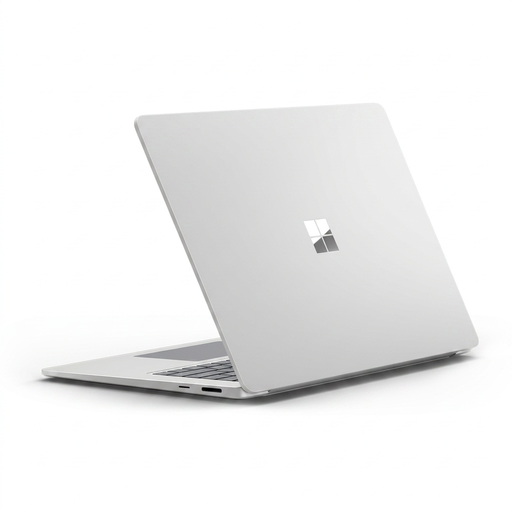
Microsoft Surface Laptop 7 15-Inch Copilot+ PC, 16GB RAM, 256GB SSD
A Windows 11 laptop with a larger touchscreen for assessing reading, keyboard navigation and direct interaction in everyday apps and documents.
15-inch PixelSense touchscreen, Snapdragon X Elite processor, 16GB RAM and 256GB SSD. Check the Windows version, language, required apps, keyboard layout and whether the size and weight suit the daily setting.
Joybuy
 No image available
HP OmniBook X Flip 16-as0004na 2-in-1, 16GB RAM, 512GB SSD
A larger Windows 11 convertible computer for testing Narrator, everyday writing and touch-based or repositioned use.
16-inch 2K touchscreen, 360-degree hinge, Intel Core Ultra 5 226V, 16GB RAM and 512GB SSD. Check accessibility settings, app compatibility, physical manageability and current driver operation for rotation modes.
Joybuy
 No image available
HP 960 Ergonomic Split Layout Wireless Keyboard
A desk-based keyboard option for someone who wants to test a different keypad position or move between compatible devices for everyday typing.
Split-zone layout, negative tilt, padded wrist rest, 20 programmable keys, Bluetooth and a 2.4 GHz dongle. Check operating-system support, remapping options, keyboard layout and whether the reach and key spacing suit the individual.
Joybuy
Frequently asked questions
Should I buy specialist equipment before trying my device’s accessibility settings?
Usually, start with the built-in features and test them against the exact task you need to complete. UK Government guidance says that phones, computers and tablets often have accessibility features, while Apple, Microsoft and Google document options for screen reading, display adjustment, spoken output, voice control and alternative input. Add equipment when these tests do not provide reliable access or control.
When is an assistive-technology assessment worth seeking?
Seek an assessment when the right equipment is unclear, a product needs tailoring, several tools must work together or you are considering specialist communication or alternative input. Scope says occupational therapists can assess needs and whether assistive technology is appropriate, and some NHS Trusts and local authorities have specialist teams.
Can workplace support help with accessible computer equipment?
For paid work in England, Scotland and Wales, Access to Work may provide a grant for practical workplace support, including specialist equipment and assistive software, subject to eligibility and an individual assessment. It does not replace the reasonable adjustments an employer is legally required to make.
Which compatibility checks matter most for keyboards, microphones, switches and software?
Confirm the exact device model, operating-system version, connection type, required app or driver, supported input method, language and the everyday apps where the tool must work. Do not rely only on labels such as accessible or voice control: platform documentation can include version, device, language and regional conditions.
What should I check about UK online returns for specialist equipment?
For most online, mail and telephone purchases, customers can generally cancel if they tell the seller within 14 days of receiving the item. UK Government guidance notes that exceptions can apply to personalised or custom-made goods and certain unsealed software, so read the seller’s terms before opening, configuring or customising equipment.


