People who need clearer on-screen information
If web pages, messages or forms are difficult to read, try display adjustments, magnification or a screen reader on a familiar device before deciding that a different screen is needed.


Try the built-in accessibility settings on a phone, tablet or computer you can already use before changing hardware. If touch, typing, reading or communication remains a barrier to a task you need to complete, choose an input device or screen-access tool around that task; check the exact operating system, connection and app workflow before buying. Complex communication setups may also call for an individual assessment and trial.
GOV.UK notes that phones, tablets and computers often have built-in accessibility features. Whether those settings are enough depends on the task and how the person can operate the device.
If web pages, messages or forms are difficult to read, try display adjustments, magnification or a screen reader on a familiar device before deciding that a different screen is needed.
When gestures, mouse movement or conventional typing get in the way, the choice is about a workable access method: keyboard navigation, voice control, a switch or another pointer arrangement.
If the main need is to communicate through or instead of speech, a consumer tablet alone may not settle the choice. Great Ormond Street Hospital’s specialist AAC service describes selecting hardware, software, access and mounting together for complex needs.
Start with the online task that must work, such as reading a message, completing a form or entering text. Then try the intended access method through the whole task, not just on the device’s home screen.
| Concern | What to check | Who this matters to |
|---|---|---|
| Navigation and text entry | Check that the chosen keyboard, switch or pointer connects to the exact device and works through the priority app. | If touch or mouse control interrupts a form or message, I need another way to reach controls and enter text. About 36% of consumers put reliable alternative input first. |
| Reading and screen access | Try magnification or spoken feedback with the actual pages and controls you use; a larger display alone may not address the barrier. | When text or controls are difficult to make out, I need to follow the information and complete the task. Clearer visual or spoken access comes first for about 29% of consumers. |
| Hands-free control | Confirm the operating-system version supports voice control and that you can review and correct text in the intended apps. | If regular typing or pointing is difficult but speech works for me, I want to navigate and write without relying on those movements. About 21% of consumers prioritise voice-based control. |
| Communication access | Consider communication software, physical access and mounting together; check an appropriate specialist route for complex needs. | When communicating through speech is the main barrier, I need a setup built around how I can select and express messages. A communication-focused setup is the primary concern for about 14% of consumers. |
A screen reader, keyboard setting or switch option on the device does not establish that a particular website or app will let you finish your task.
List the tasks that matter most and try each with the intended access method. Include sign-in, form completion and correcting text where relevant.
Alternative input depends on the device connection, operating-system version and configuration. Google documents keyboard shortcuts for TalkBack, for example, but their use requires an external keyboard.
Check the complete device model, connection method, keyboard layout or switch setup, and the apps you intend to use before purchasing.
For complex augmentative and alternative communication (AAC) needs, the software, access method and mounting can be as important to the setup as the device itself. Specialist services have their own referral and eligibility criteria.
Seek an appropriate local or specialist AAC assessment route before committing to a complex setup on the strength of a product description.
Allow for the practical work of setting up, learning and maintaining the chosen access method.
These names identify documented access routes, not a promise that every device, accessory or app combination will work for a particular person.
iPhone, iPad and Mac are relevant when keyboard, switch or voice-based control is part of the intended setup.
Windows is relevant for web forms, email and documents when screen reading, magnification or voice input could help with those tasks.
Android is relevant when TalkBack, display adjustments, keyboard shortcuts or switch-based control match the preferred access method.
NVDA is a screen-reader software option for someone assessing a Windows computer they already use.
These Joybuy tablets are options for trying a tablet-based setup for reading, forms and other routine online tasks. One includes a keyboard; none should be treated as a confirmed match for a particular switch, screen reader or app without checking that combination.
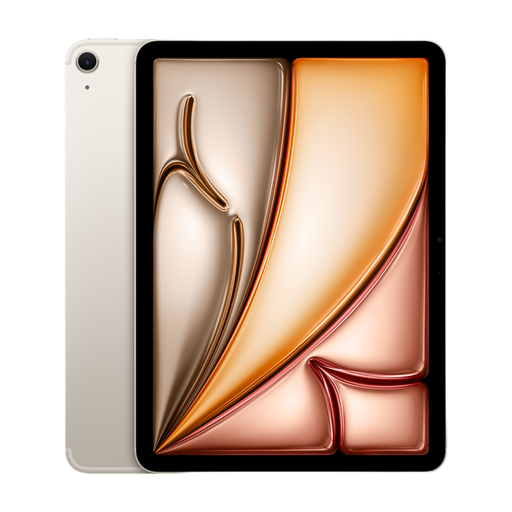 Image unavailable
Consider this iPad if you want to try tablet-based reading or document tasks and can test the access method you intend to use. Apple documents Full Keyboard Access for iPad with a physical keyboard; check the installed iPadOS version and your priority apps. The compatible Magic Keyboard is sold separately.
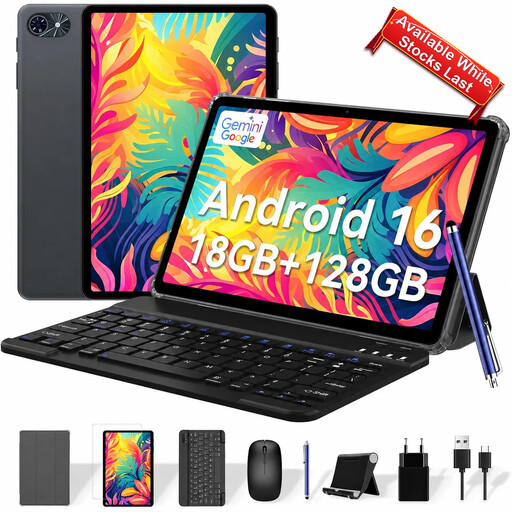 Image unavailable
This tablet-and-keyboard combination is worth checking if touchscreen input is difficult but using keys is practical. The listing identifies 128GB storage. Confirm the keyboard layout and connection, then test whether keyboard navigation works in the Android features and apps you need; Google’s general Android guidance does not establish compatibility for this exact setup.
 Image unavailable
Consider this tablet if you want to try a tablet-sized screen for reading or web tasks. Google documents Android screen-access and alternative-input routes generally, but check which features work on this model and whether your chosen accessory and priority apps support the intended workflow.
Try its settings against the task that is difficult first. GOV.UK notes that phones, computers and tablets often have built-in accessibility features; if the existing device still does not let you complete the task reliably, consider a different device or input method.
Consider one when standard touch or mouse input remains the barrier and keys or switch scanning provide a usable physical alternative. Apple and Google document these access routes, but you still need to confirm the connection, device support and intended app workflow.
Do not assume it will. Apple documents Full Keyboard Access with a physical keyboard, while Google documents external-keyboard shortcuts and keymaps for TalkBack. Check the particular operating system, keyboard layout and how the apps you need expose their controls.
A specialist assessment is not a prerequisite established here for every consumer-device purchase. For complex AAC needs, however, Great Ormond Street Hospital’s specialist service describes assessing hardware, software, access and mounting together; check the appropriate local referral route rather than assuming a retail tablet will meet those needs.