
24/7 Customer Support

Free returns

Same-day & Next-day Delivery

Quality Guaranteed

Unlock Your Welcome Offers: FREE Delivery | Up to 80% OFF | Free 30-day JoyPlus trial
Download the APP
An acne cleanser can help remove excess sebum, sunscreen, sweat and everyday grime, but choosing one based only on phrases such as “deep cleansing” or “instant results” can lead to wasted money. The right acne face wash should match your skin’s oiliness, sensitivity and the areas you want to cleanse.
This guide explains the main buying pitfalls, the ingredients and specifications worth checking and a selection of products for different routines.
A cooling, tingling or very foamy face wash may feel powerful, but that sensation does not automatically mean it is removing more pore debris. Menthol, fragrance, essential oils and high levels of exfoliating ingredients may be uncomfortable for some users.
If your skin feels tight, flaky or hot after washing, the formula may be too harsh for daily use. A cleanser should leave skin feeling clean without encouraging you to scrub repeatedly.
A salicylic acid face wash is often chosen for oily or congested skin because salicylic acid is an oil-soluble exfoliating ingredient. However, combining it with an AHA, PHA, physical scrub and leave-on exfoliant can increase the chance of dryness or irritation.
Look at the full routine rather than one product label. An AHA BHA PHA cleanser may suit experienced users who want a multi-acid formula, while a simpler cleanser may be more appropriate for beginners or sensitive skin.
A facial cleanser is not automatically suitable for the back, chest or shoulders. Body skin may need a larger format, a pump bottle and ingredients designed for shower use. Conversely, a body wash for back acne should not be used around the eyes or on delicate facial areas unless the packaging specifically permits it.
For blackheads, excess oil and blocked pores, check whether the formula contains salicylic acid, also known as BHA. Product strengths vary, so compare the ingredient list and follow the manufacturer’s directions rather than assuming a higher percentage is suitable for everyday use.
AHA ingredients work mainly on surface build-up, while PHA formulas are generally positioned as a milder exfoliating option. A clay formula may also help absorb surface oil. For example, a clay face wash and mask can offer two application methods, but the mask should normally be used less frequently than a daily wash.
Gel, cream, foam and scrub textures create different washing experiences. A gel face wash may feel lightweight, while a cream formula can be more comfortable for skin that becomes dry after cleansing. Physical particles, such as pumice or cellulose exfoliators, require gentle handling; pressing harder does not improve the result.
Check for potentially troublesome additions if you are sensitive to them, including parfum, menthol, alcohol or essential oils. “Natural” does not always mean irritation-free.
A 150ml facial cleanser may be practical for a bathroom shelf or travel bag. A 400g body cleanser is more suitable for repeated shower use. Look for a secure cap or pump, clear directions and a complete ingredient list using standard INCI names.
For products containing exfoliating acids, follow the warning information and use suitable daytime sun protection. Stop using a product if persistent redness, itching, swelling or burning develops. For ongoing or severe acne, consult a pharmacist, GP or dermatologist rather than relying solely on cosmetic cleansing.
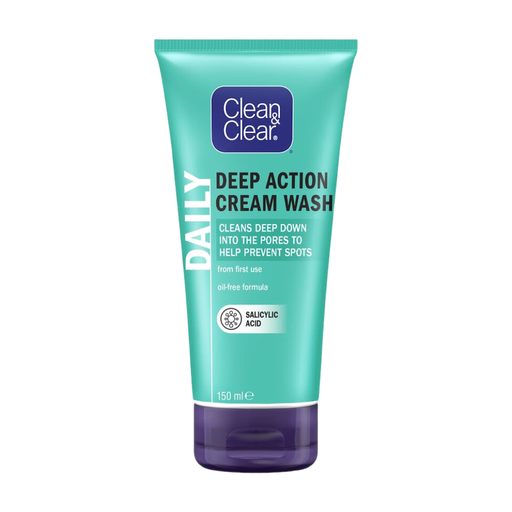
Why This Fits Their Persona: A straightforward daily face wash for spots, with a cream texture and 150ml size for shoppers starting a simple routine.
It uses an oil-free cream wash format rather than relying on a scrub texture or multiple exfoliating acids.
Contains salicylic acid and is labelled for removing dirt, oil and makeup in one cleansing step.
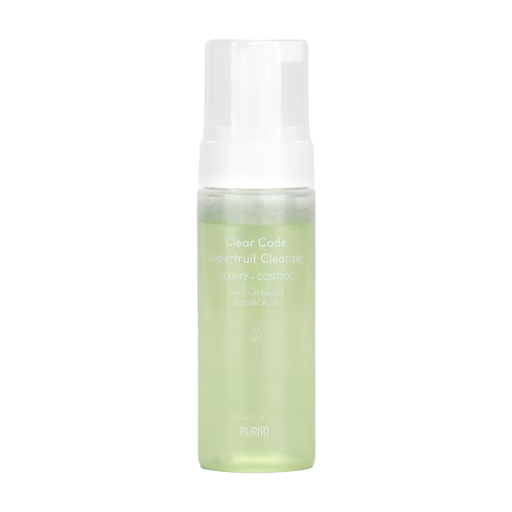
Why This Fits Their Persona: A vegan and cruelty-free option for shoppers wanting a daily foaming cleanser with a broader botanical ingredient profile.
The product information identifies its vegan positioning and provides a full INCI list, making label comparison easier.
Includes salicylic acid, glycerin, allantoin and several cleansing surfactants, with simple wet-face application.
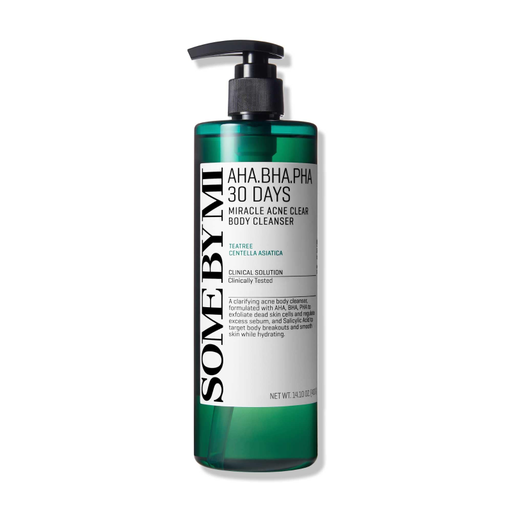
Why This Fits Their Persona: The 400g format is practical for regular showers when cleansing larger areas such as the back, chest and shoulders.
It is specifically labelled as a body cleanser, so shoppers do not need to use a small facial tube across extensive areas.
Contains AHA, BHA and PHA ingredients, salicylic acid and a pump-style large format for shower use.
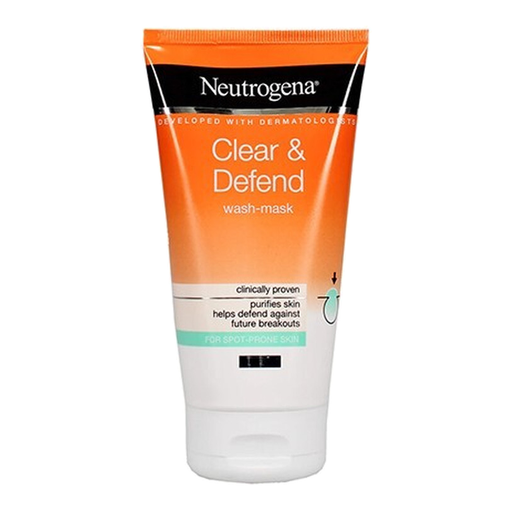
Why This Fits Their Persona: Useful for someone who wants a daily cleanser plus an occasional clay-based treatment without buying two separate products.
Its stated 1% salicylic acid level and separate wash-mask directions make frequency easier to plan than an unspecified “extra-strength” formula.
Combines salicylic acid with kaolin and bentonite clay; the mask directions specify a five-minute application.
We have compiled a complete, real-time list of products that fully satisfy these strict selection criteria and UK safety regulations.
Some are labelled for daily use, but suitability depends on the formula and your skin’s tolerance. Start with the stated directions, avoid combining several exfoliating products immediately and reduce frequency if dryness or irritation appears.
Only use it on the body if the packaging allows this. A dedicated chest acne cleanser or body wash may offer a larger size and directions for shower application. Never use body products around the eyes or on broken skin.
Usage frequency, bottle size and the amount used each time determine lifespan. A 150ml face wash may last longer when one small amount is used per cleanse, while a 400g body cleanser is designed for broader areas. Check the packaging for shelf-life information and replace products that have changed in smell, colour or texture.