
24/7 Customer Support

Free returns

Same-day & Next-day Delivery

Quality Guaranteed

Unlock Your Welcome Offers: FREE Delivery | Up to 80% OFF | Free 30-day JoyPlus trial
Download the APP
Spots, blackheads, excess shine and post-acne marks can make choosing skincare for acne-prone skin feel unnecessarily complicated. Marketing often encourages shoppers to buy several strong actives at once, yet a crowded routine may leave skin feeling tight, flaky or irritated.
A more practical approach is to match each product to a clear purpose: cleansing without excessive stripping, exfoliating at a manageable frequency, supporting hydration and addressing the appearance of uneven tone. Before buying, watch for these common pitfalls.
A cleanser that leaves your face squeaky-clean may also remove too much surface oil and moisture. This can make combination or sensitive skin feel uncomfortable and encourage over-washing. Look for a formula suited to your skin type and avoid scrubbing active blemishes aggressively.
Salicylic acid, AHA, PHA and physical exfoliators can all have a place in an acne-prone skin routine. However, using several exfoliating products in the same routine increases the likelihood of stinging, dryness and visible irritation. Introduce one new exfoliating product at a time and follow the directions on its packaging.
Post-acne marks and current blemishes require different shopping decisions. A dark spot serum may help improve the appearance of uneven tone, but it is not a substitute for a cleanser or a product designed for congested pores. Daily sunscreen is also important when using exfoliating ingredients, as they can increase sensitivity to sunlight.
For oily skin, an oily skin cleanser should remove daily sebum, dirt and light sunscreen residue without leaving uncomfortable tightness. Salicylic acid is oil-soluble and is commonly included in a salicylic acid face wash or blackhead cleanser for pore-focused cleansing.
Check the stated concentration where available. For example, the SHAKEUP COSMETICS face wash contains 2% salicylic acid, while the Neutrogena moisturiser contains 0.5% salicylic acid. These are leave-on and rinse-off formats with different usage patterns, so they should not automatically be combined at every wash.
AHA primarily works on the skin’s surface, while BHA is associated with oil-soluble, pore-focused exfoliation. PHA products, such as a PHA peel for sensitive skin, are often considered when shoppers want a gentler exfoliating format.
Physical peeling gels may also suit people who prefer a weekly treatment. Check whether the product contains particles, cellulose or another rolling-gel format and follow the recommended frequency rather than using it daily.
Read the full ingredient list, particularly if you react to fragrance, essential oils or specific botanical extracts. Patch testing is sensible for new skincare. Do not apply exfoliants to broken, bleeding or severely irritated skin and stop use if persistent redness, itching, swelling or stinging develops.
For teenagers, adult supervision may be appropriate when introducing multiple products or an LED device. Anyone with persistent or severe acne should seek advice from a qualified healthcare professional rather than relying only on cosmetic products.
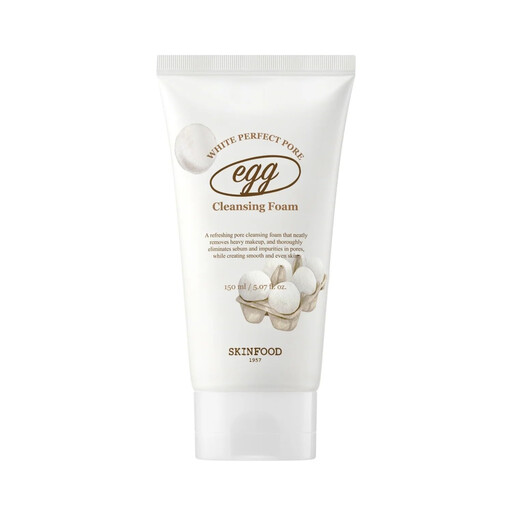
Why This Fits Their Persona: A 150ml foaming cleanser provides a straightforward starting point for shoppers who want a daily wash before investing in a longer routine.
Its ingredient list includes salicylic acid alongside cleansing agents and plant extracts, avoiding the assumption that physical scrubbing alone is needed for pore care.
Foam format; includes olive and argan oils in the listed formula; suitable for a simple daily cleansing step.
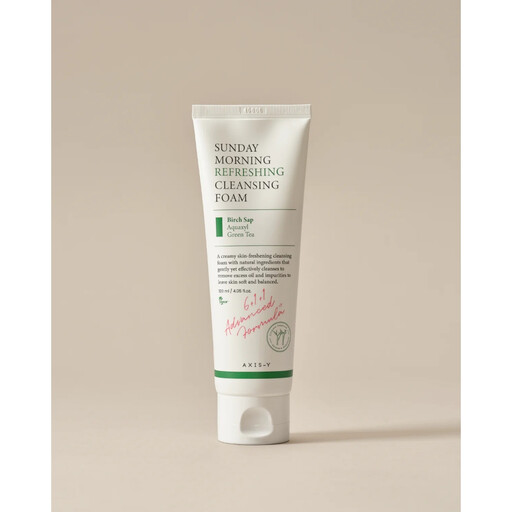
Why This Fits Their Persona: Suits shoppers who prefer a measured weekly exfoliation step for dull, rough or congested skin rather than a daily acid cleanser.
The product specifies a 10% gluconolactone PHA formula and a 10–15-minute application, making the intended usage clearer than vague “deep peel” wording.
Contains gluconolactone, glycerin and centella extract; designed to be rinsed off after use.
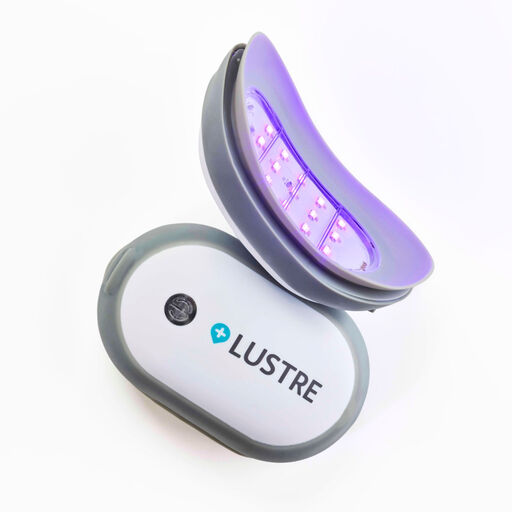
Why This Fits Their Persona: A hands-free option for adults managing localised breakout-prone areas who want a device-based addition to facial skincare.
The device states a 415nm wavelength, 20-minute timed session and auto shut-off, rather than leaving treatment duration unclear.
Rechargeable and wireless; UV-free according to the product information; intended for face and body areas.
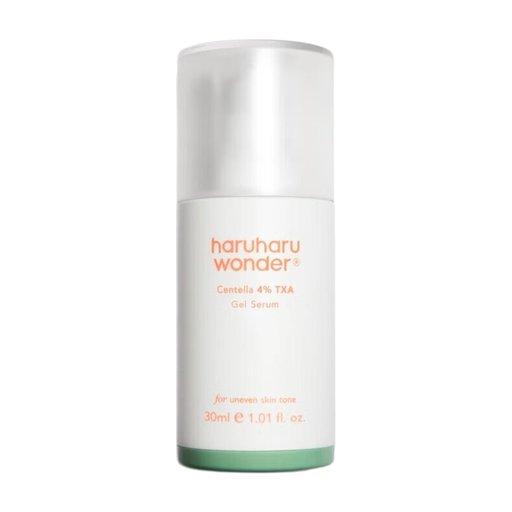
Why This Fits Their Persona: Designed for shoppers whose main concern is the appearance of post-acne marks and uneven tone after establishing basic cleansing and moisturising.
It is positioned as a serum for the appearance of dark spots, not as a replacement for pore cleansing or professional care for persistent acne.
Lists 4% tranexamic acid and 4% niacinamide; includes centella-derived ingredients and an airless pump format.
We have compiled a complete, real-time list of products that fully satisfy these strict selection criteria and UK safety regulations.
An oil-control moisturiser can be useful even when skin feels shiny. Hydration helps make a routine more comfortable and may reduce the temptation to over-cleanse. Products such as a salicylic acid moisturiser should be introduced cautiously if another acne treatment skincare product is already in use.
Start with a cleanser, non-comedogenic moisturiser where suitable and daytime sunscreen. Add one active product only after your basic routine feels comfortable. This makes it easier to identify which product suits your skin.
Follow the product directions and begin less frequently if your skin is sensitive. A rinse-off exfoliating face wash may be used differently from a leave-on serum or weekly peel. Avoid combining several acid products during the same routine until compatibility is clear.
A rechargeable device generally has no recurring light-treatment consumable, but it does require charging and careful storage. Running cost depends on electricity use, charging frequency and the device’s battery condition. Follow the stated session length rather than extending treatments to seek faster results.