
24/7 Customer Support

Free returns

Same-day & Next-day Delivery

Quality Guaranteed

Unlock Your Welcome Offers: FREE Delivery | Up to 80% OFF | Free 30-day JoyPlus trial
Download the APP
Finding suitable acne-prone skincare products can be difficult when shelves are filled with phrases such as “pore detox”, “instant glow” and “clearer skin in days”. Oily skin, blackheads, active blemishes and post-blemish marks often require different types of care, so buying several highly active products at once can leave your routine expensive, complicated and irritating.
This guide from the Joybuy Product Recommendation Officer focuses on practical product features rather than advertising language. It explains what to check before buying acne cleanser, salicylic acid face wash, blemish treatment and pore-minimising skincare for UK conditions.
A high concentration of AHA, BHA or PHA may sound more effective, but it can be unsuitable for sensitive or already irritated skin. A rinse-off salicylic acid face wash usually provides shorter contact time than a leave-on treatment. Similarly, a weekly exfoliating face mask should not be treated like a daily cleanser.
Look for the acid type, concentration where disclosed, recommended frequency and whether the formula is rinse-off or leave-on. Do not combine several exfoliating products immediately.
A squeaky or tight feeling after washing can indicate that the cleanser is removing too much surface oil. This may make daily skincare for oily skin uncomfortable, particularly during colder UK weather or in centrally heated rooms.
A more practical choice is a cleanser with glycerin, panthenol, amino-acid surfactants or other moisturising ingredients. The aim is to remove oil, sunscreen and daily dirt without leaving persistent dryness.
Korean acne skincare sets can be convenient, but several products may contain overlapping active ingredients, fragrance or essential oils. Check the full INCI list and introduce products one at a time. This makes it easier to identify which formula suits you and reduces unnecessary spending.
Niacinamide serum and dark spot serum products are intended for uneven-looking tone and post-blemish marks, while an acne cleanser is primarily a cleansing step. They are not interchangeable.
For sensitive acne-prone skincare, consider fragrance, essential oils, denatured alcohol, clay content and the number of exfoliating ingredients. A formula containing salicylic acid and several botanical extracts may not suit everyone, even if the product is described as gentle.
Patch test new products according to the packaging guidance. Avoid applying acids or clay masks to broken, sunburned or severely irritated skin. Stop use if persistent redness, swelling, itching or stinging occurs.
A daily cleanser, a weekly clay mask and a one-minute rinse-off acid serum have different roles. Follow the stated contact time rather than leaving a product on longer to chase a stronger effect.
When using exfoliating products, apply broad-spectrum sunscreen during the daytime. In the UK, UV exposure still occurs on cloudy days, and sunscreen is particularly important when your routine includes AHA, BHA or PHA.
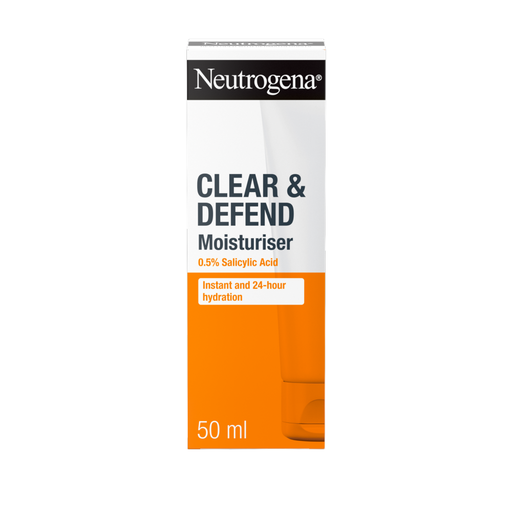
Why This Fits Their Persona: A straightforward option for shoppers who want one moisturising step with a disclosed 0.5% salicylic acid content rather than a large multi-product routine.
The product format makes its role clear: it is a moisturiser, not a substitute for cleanser or sunscreen. Avoid adding another salicylic acid product without considering irritation.
Oil-free formula; includes glycerin, aloe vera and chamomile extracts; provides a moisturising step for spot-prone skin.
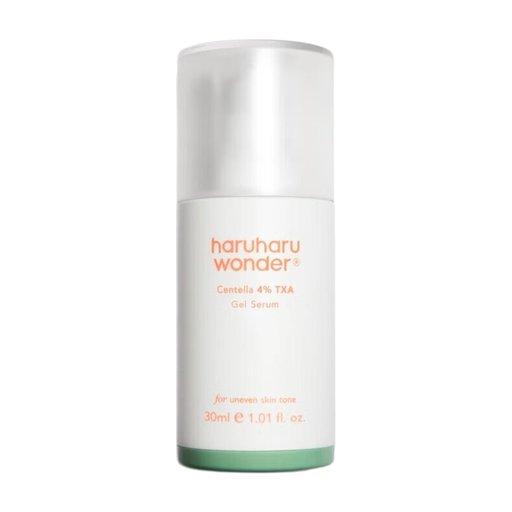
Why This Fits Their Persona: Suits shoppers prioritising a lightweight serum for post-blemish dark marks and uneven-looking tone, especially when a fragrance-free-feeling routine is preferred.
Its disclosed 4% tranexamic acid and 4% niacinamide levels allow more transparent comparison than vague “brightening complex” claims.
Contains centella components; lightweight gel texture; excludes artificial fragrance, sulphates and drying alcohol according to the supplied product information.
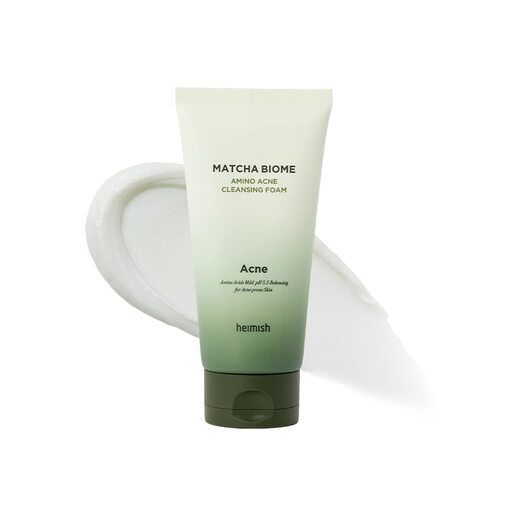
Why This Fits Their Persona: A practical choice for people wanting one cleanser for facial use and oil-prone body areas such as the back or chest.
It specifies 0.5% salicylic acid and an amino-acid surfactant base, making the exfoliating and cleansing functions easier to assess.
Contains salicylic acid; includes multiple cleansing surfactants; designed for face and body use.
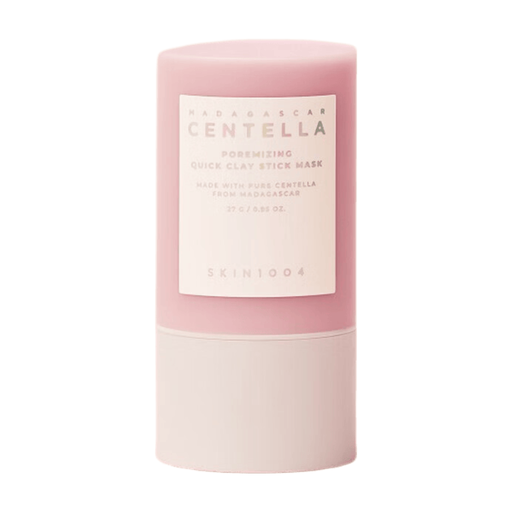
Why This Fits Their Persona: Works for shoppers who prefer targeted T-zone care once or twice weekly instead of adding another daily exfoliating product.
The instructions specify a short 3–5 minute contact time and advise not allowing the clay to dry completely, helping limit unnecessary tightness.
Contains five types of clay; includes 4.9% centella asiatica extract; convenient stick format for controlled application.
We have compiled a complete, real-time list of products that fully satisfy these strict selection criteria and UK safety regulations.
Start with three essentials: a gentle acne cleanser, a suitable moisturiser and daytime sunscreen. Add one targeted product only when your skin is comfortable.
For blackheads or excess oil, consider a BHA cleanser several times weekly rather than layering multiple acids. For rough texture, a low-frequency PHA or AHA BHA PHA skincare product may be more appropriate. For post-blemish marks, introduce a niacinamide serum or dark spot serum after cleansing, then moisturise.
Avoid using an exfoliating face mask, acid serum and salicylic acid moisturiser on the same evening until you understand your skin’s tolerance. Teenagers and adults with persistent, painful or worsening acne should seek advice from a pharmacist, GP or dermatologist rather than relying solely on cosmetic products.
The usable period varies by product and packaging. Check the open-jar symbol, expiry information, batch details and storage instructions. Keep products closed, away from heat and direct sunlight, and avoid touching cream or mask formulas with unclean hands.
They can appear in the same routine, but compatibility depends on the individual formulas and your skin’s tolerance. Introduce one product at a time, use a moisturiser and reduce frequency if dryness or stinging develops. Always follow the product label.
Use a mild cleanser, non-comedogenic moisturiser and sunscreen first. Add one low-frequency active product after patch testing. Avoid applying acids to broken or irritated skin, and stop use if a reaction persists.