
24/7 Customer Support

Free returns

Same-day & Next-day Delivery

Quality Guaranteed

Unlock Your Welcome Offers: FREE Delivery | Up to 80% OFF | Free 30-day JoyPlus trial
Download the APP
Breakouts, blackheads, excess shine and post-acne marks can make choosing skincare feel unnecessarily complicated. Product pages often promise clearer-looking skin, smaller pores and rapid results, but a high price or a long ingredient list does not automatically make a product suitable for you.
Before buying acne skincare products, watch for three common pitfalls:
The right choice depends on your skin type, tolerance, routine and the specific concern you want to address—not simply the number of active ingredients on the label.
For clogged pore treatment and blackheads, salicylic acid is a commonly selected BHA because it is oil-soluble. A salicylic acid cleanser may be a practical starting point for oily or combination skin, while a leave-on acne serum requires more careful introduction.
AHAs, such as glycolic or lactic acid, work mainly on the skin surface and may be selected for uneven texture. PHAs, including gluconolactone, are generally positioned as a gentler exfoliating option. Products combining AHA, BHA and PHA skincare ingredients should not automatically be used alongside several other exfoliants.
Check the product directions carefully. A rinse-off formula, such as a cleanser or one-minute exfoliating treatment, has a different exposure time from a leave-on toner.
Look beyond “blemish control” on the front of the packaging. Supporting ingredients can affect how the product fits into an acne-prone skincare routine.
If you have sensitive skin, introduce one new active at a time and patch test where appropriate. Do not apply exfoliating products to broken or severely irritated skin.
A clay mask for oily skin is usually a weekly treatment, not a replacement for daily cleansing. The Skin 1004 clay stick, for example, is directed for use once or twice weekly and should not be allowed to dry completely. Similarly, intensive acid products are often better suited to occasional use than to layering every morning and evening.
During the day, use sunscreen when your routine contains exfoliating acids. Stop using a product if you develop persistent redness, swelling, itching or discomfort, and seek medical advice for severe or persistent acne.
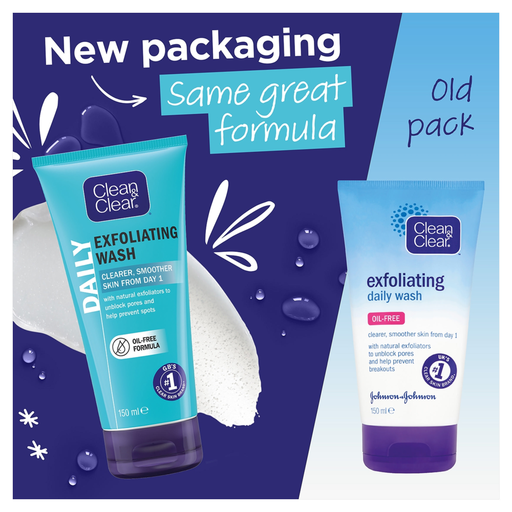
Why This Fits Their Persona: A straightforward wash-and-rinse option for shoppers building a simple routine around daily cleansing, particularly where price and ease of use matter.
It is a rinse-off product, helping beginners avoid starting with several leave-on acids at once. Use gentle pressure rather than scrubbing hard.
Contains cellulose exfoliating particles and lactic acid; the oil-free formula is designed for daily face washing.
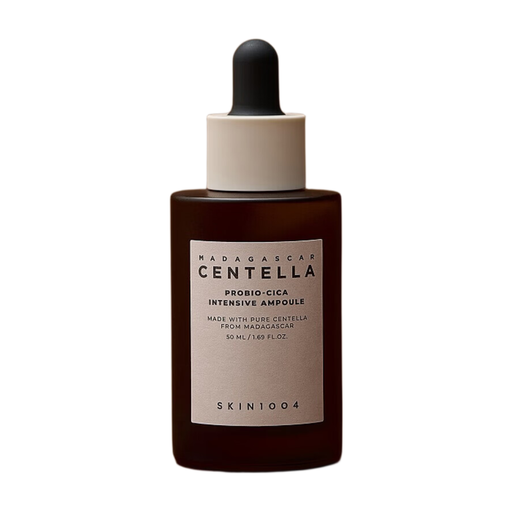
Why This Fits Their Persona: Suitable for shoppers prioritising a more cushioning, barrier-focused step after cleansing or exfoliation in a dry, centrally heated UK environment.
It gives an acne-prone routine a dedicated hydration and skin barrier repair step, rather than adding another exfoliant.
The formula includes centella ferment, panthenol, sodium hyaluronate and Ceramide NP in a 50ml ampoule.
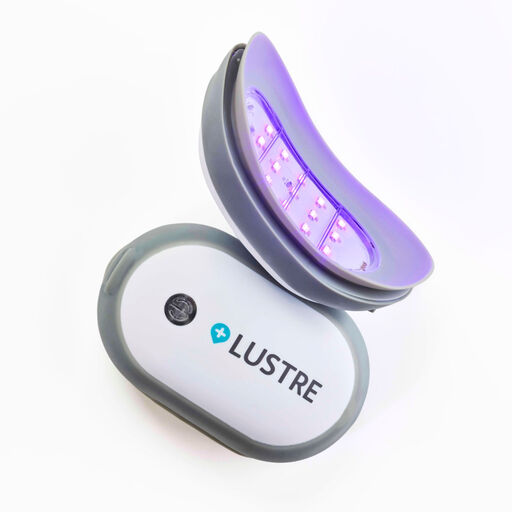
Why This Fits Their Persona: A targeted at-home option for adults who prefer a scheduled device session for localised breakout-prone areas rather than adding more topical products.
The device specifies a 415nm blue-light wavelength, a rechargeable design and an automatic 20-minute session, so usage is clearly defined.
It is hands-free, rechargeable and designed for face and body areas. Follow the manual and avoid use on broken skin or with relevant light-sensitivity conditions.
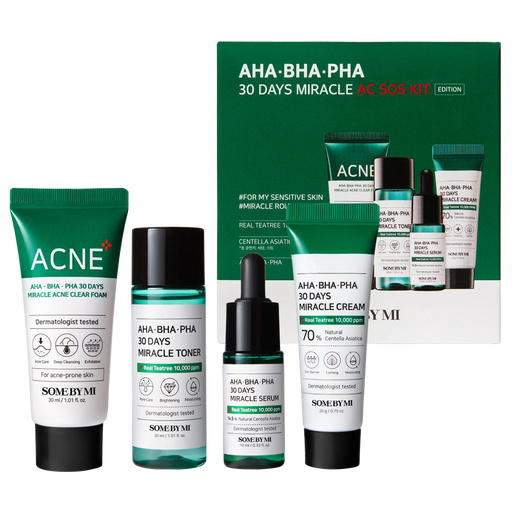
Why This Fits Their Persona: Mini sizes are practical for travel, testing a four-step routine or avoiding full-size purchases before checking skin tolerance.
The set makes the routine order clear—foam, toner, serum and cream—while its smaller format helps limit waste if the acids do not suit you.
It combines cleansing, exfoliation, serum and moisturising steps, with ingredients including AHA, BHA, PHA, panthenol and centella-related extracts.
We have compiled a complete, real-time list of products that fully satisfy these strict selection criteria and UK safety regulations.
A simple routine is easier to monitor:
For blackheads, a clay mask may be used occasionally on the T-zone. For acne marks and uneven-looking tone, brightening skincare with niacinamide may be considered, but do not add several brightening actives at the same time.
Follow the individual label directions, but introduce leave-on acids gradually. Start with one active product rather than layering an AHA toner, BHA serum and exfoliating mask together. Reduce frequency if your skin becomes tight or uncomfortable.
Some products may be suitable for teenagers, but age guidance and ingredients matter. A simple cleanser, moisturiser and sunscreen routine is a sensible starting point. LED devices may have specific age, supervision and contraindication requirements, so read the manual carefully. Persistent or severe acne should be discussed with a GP or pharmacist.
Lifespan depends on size, frequency of use, storage and whether the item is a cleanser, serum, mask or device. Keep cosmetics sealed and away from heat and direct sunlight. For an LED device, follow the recommended session time and charging instructions. Always check the packaging for the latest batch, shelf-life and storage information.