
24/7 Customer Support

Free returns

Same-day & Next-day Delivery

Quality Guaranteed

Unlock Your Welcome Offers: FREE Delivery | Up to 80% OFF | Free 30-day JoyPlus trial
Download the APP
Choosing acne treatment products can be confusing. A cleanser may promise clearer pores, a serum may target post-acne marks, and an LED device may advertise fast-looking results. Yet the most expensive option is not automatically suitable for your skin, routine or budget.
The practical approach is to match the product format and active ingredients to your concern, then check the usage instructions and warnings before buying.
Layering a salicylic acid acne treatment, exfoliating toner for acne and AHA/BHA serum in the same routine can leave skin feeling tight, stinging or visibly irritated. More active ingredients are not necessarily more appropriate. Start with one exfoliating product and introduce it gradually.
Hydrocolloid spot patches and targeted spot treatments are useful for individual blemishes, but they do not replace cleansing, moisturising or daytime sun protection. Conversely, a full kit may contain more steps than you realistically use. Consider whether you need daily acne skincare or occasional blemish treatment.
Phrases such as “clinically proven”, “medical-grade” or “works in days” need context. Look for measurable specifications—such as an ingredient concentration, patch size, treatment duration or LED wavelength—rather than relying only on promotional language. Product descriptions should not be treated as a medical diagnosis or a guarantee of results.
Salicylic acid is commonly used in acne cleanser, serum and spot treatment formulas because it helps exfoliate the skin and clear surface oil and debris. The concentration matters, but so does the product type: a rinse-off cleanser has less contact time than a leave-on lotion or serum.
For example, the Clinique clarifying lotion lists 1.5% salicylic acid, while the Heimish cleansing foam lists 0.5% salicylic acid. These are not directly interchangeable. If your skin is sensitive, begin with a lower-frequency routine and follow the packaging instructions.
AHA, BHA and PHA products may increase sun sensitivity. Apply broad-spectrum sunscreen during the day and avoid using exfoliants on broken, sunburnt or recently shaved skin.
For oily skin, lightweight, non-greasy textures may feel more comfortable, but oily skin can still become dehydrated. Look for moisturising ingredients such as glycerin, panthenol or hyaluronic acid alongside blemish-focused ingredients.
Always check the full ingredient list if you react to fragrance, essential oils or denatured alcohol. Patch test new products where appropriate, stop use if persistent irritation occurs, and seek medical advice for severe or persistent acne. A healthcare professional can also advise if you use prescription medicines or have a photosensitivity condition.
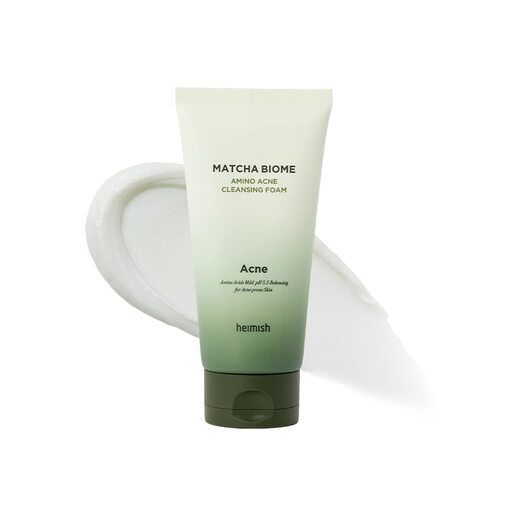
Why This Fits Their Persona: A straightforward face-and-body cleanser for shoppers who want to begin with one daily product, including care for oily areas on the back or chest.
The listed 0.5% salicylic acid level makes the formula easier to assess than vague “deep cleansing” claims. It is rinse-off, so it does not add another leave-on acid step.
150 g size; amino-acid surfactants; suitable for face and body use according to the product description.
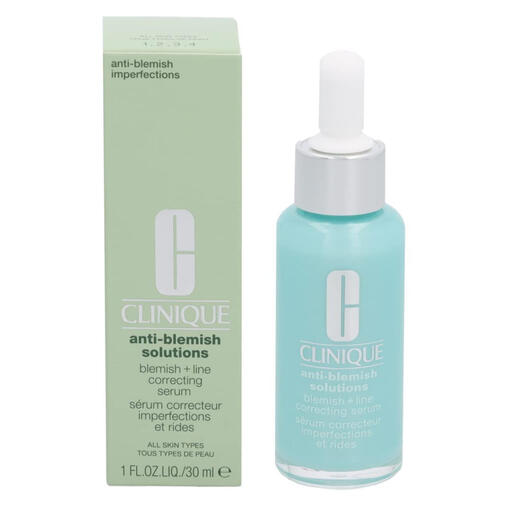
Why This Fits Their Persona: A leave-on serum for adults balancing blemishes with concerns about texture and the appearance of fine lines.
The product clearly identifies salicylic acid and gives a 30 ml size, making the purchase easier to compare with other acne serums.
Fragrance-free description; salicylic acid formula; designed for use after cleansing and toning.
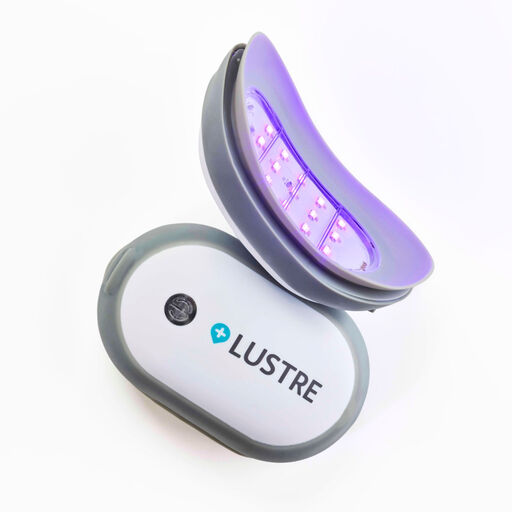
Why This Fits Their Persona: A hands-free option for shoppers who prefer a scheduled device routine for localised face or body areas.
The specification states a 415 nm blue LED wavelength, 20-minute cycle and auto shut-off, rather than leaving treatment duration unclear.
Rechargeable and wireless; UV-free specification; suitable for face, neck, chest and shoulders. Read the contraindications before use.
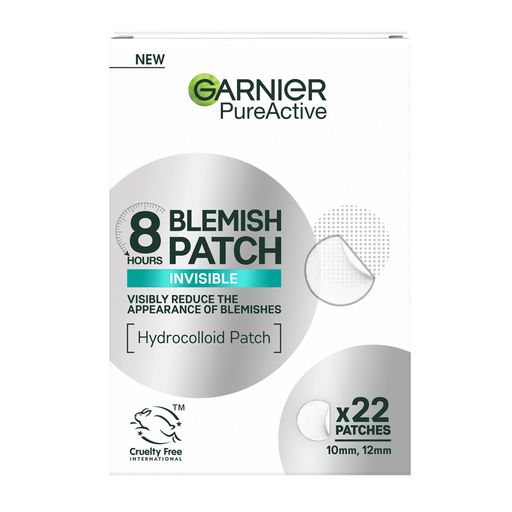
Why This Fits Their Persona: Handy for commuters, students and anyone who wants discreet overnight or daytime coverage for individual spots.
The listed wear time is up to eight hours, so shoppers have a clear usage limit rather than an open-ended promise.
22 individually sealed hydrocolloid patches; translucent design; helps reduce touching and picking.
We have compiled a complete, real-time list of products that fully satisfy these strict selection criteria and UK safety regulations.
Keep the routine simple: cleanse gently, use one targeted treatment, moisturise and apply sunscreen in the morning. A hydrocolloid patch can be reserved for an individual blemish, while a serum or toner may be used less frequently if your skin is easily irritated.
Avoid combining several products with the same exfoliating acids on the first day. Introduce one product at a time so you can identify what suits your skin. Clean reusable device probes after use, and do not share them.
It depends on the product, concern and consistency. Cleansers and patches may provide a short-term change in oiliness or the appearance of an individual spot, while post-acne marks treatment and texture-focused skincare generally require regular use over a longer period. Stop if irritation develops.
Some rinse-off formulas are labelled for daily use, but leave-on products may require a slower introduction. Follow the product directions, avoid applying to broken skin and use sunscreen during the day. Do not automatically combine multiple salicylic acid, AHA, BHA or PHA products.
No. Suction devices should not be used on broken, irritated or sunburnt skin, cystic acne, rosacea or visible spider veins. Use the lowest suitable setting, keep the device moving and follow the stated time limit. For persistent or severe acne, ask a healthcare professional for advice.