Riders seeking steady ride footage
Cyclists who need a camera and secure mount that work together when the bicycle is moving. Cycling UK notes that the intended mounting position affects which camera size and shape will suit the job.


Choose a conventional action camera if you want to mount it securely and record a straightforward view of a ride; consider a 360 camera if choosing the viewing angle after the trip matters more than a simpler editing workflow. Decide where the camera will go before buying, then check mount compatibility, stabilisation in your intended recording mode, water-use limits and whether you can prepare the controls, battery and storage before setting off.
Cyclists who need a camera and secure mount that work together when the bicycle is moving. Cycling UK notes that the intended mounting position affects which camera size and shape will suit the job.
People recording walks and active trips who need to plan for rain, splashes or water-adjacent activities. A camera’s stated water resistance and the protection offered by a compatible housing are different things to check.
People willing to edit after an outing rather than commit to a single forward-facing view while filming. Insta360 describes post-capture reframing for its X5 360 camera; the extra editing step remains part of that choice.
For cycling, choose a mounting position before comparing camera features. If selecting the viewing angle after filming is the main goal, weigh a 360 camera’s reframing workflow against the simpler direct footage of a conventional action camera.
Choose it when: You want a direct point-of-view clip from a compatible bike, chest or other secure mount.
Trade-off: The chosen field of view determines what is captured; action outside the frame cannot be recovered later.
Choose it when: You want to capture the surrounding scene and select a conventional viewing angle after the trip.
Trade-off: Reframing adds editing and file-management work, and exposed lenses need care outdoors.
| Concern | What to check | Who this matters to |
|---|---|---|
| Steady footage and secure mounting | Check that the camera fits your chosen mount securely and that stabilisation works in the recording mode you plan to use. | On a moving ride, I need the camera to stay put and the footage to remain watchable despite vibration. Roughly 33% of consumers would put steady footage and mounting first. |
| Weather and water exposure | Check the exact model’s water rating, closure instructions and whether your activity calls for a compatible housing. | If my trip involves rain, splashes or time in the water, I need protection suited to that exposure rather than a depth figure alone. For roughly 27% of consumers, weather and water protection would be the primary concern. |
| Operation on longer outings | Compare battery claims at relevant recording settings and plan compatible storage; set up controls before moving. | I want to keep recording through a longer outing without running out of power or card space, and I do not want to adjust settings while riding. Around 20% of consumers would prioritise dependable operation over a longer trip. |
| Framing flexibility | Decide whether you will edit and reframe footage afterwards, and check lens-protection options for a 360 camera. | When the scene changes quickly, I would rather choose the viewing angle afterwards than aim a fixed camera throughout. About 20% of consumers would make post-capture framing their main priority. |
A high recording resolution will not fix footage from an insecure or unsuitable mounting position. Cycling UK identifies where the camera will be mounted as a factor in choosing its size and shape.
Pick the position first, then check the mounting interface, secure fit and stabilisation in your intended recording mode.
An unsuitable mount may mean carrying or obtaining a different compatible mounting arrangement.
Water protection depends on the model and how it is prepared. DJI specifies that the Osmo Action 5 Pro’s covers must be closed and its lens cover tightened; it recommends its Waterproof Case for prolonged underwater use or high water-impact pressure.
Match the manufacturer’s instructions and any case requirement to the activity, rather than relying on an uncovered depth rating alone.
A compatible housing adds equipment to pack and can affect sound capture.
Recording settings, battery duration and card space interact. Cycling UK advises assessing power and storage before leaving, while a manufacturer’s maximum runtime may depend on particular conditions.
Choose the recording settings for your usual trip length, check compatible power and storage options, and prepare the camera before setting off.
Spare batteries, charging equipment or compatible memory cards may add to what you need to carry.
A bike-mounted camera can record identifiable people as well as the route. The Information Commissioner’s Office discusses privacy and equipment security when organisations use portable action cameras.
Avoid unnecessary recording, keep the camera and removable media secure, and check current ICO guidance before organisational, commercial or systematic public-sharing use.
These product lines illustrate different recording and accessory approaches; check the exact model and bundle rather than treating a brand name as a specification.
The HERO13 Black is a conventional action-camera option for direct point-of-view footage and a choice of mounting methods.
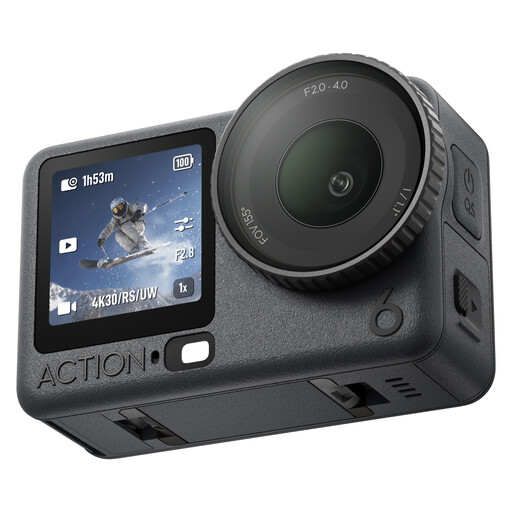
The Osmo Action 5 Pro offers a conventional camera format with dual screens and several specified stabilisation modes.
The X5 represents a 360-camera approach: capture the scene, then select the viewing angle after filming.
These cameras cover direct action-camera recording and a 360 option for reframing afterwards. For any bike or body position, confirm the mount and its secure fit separately from the camera’s recording features.
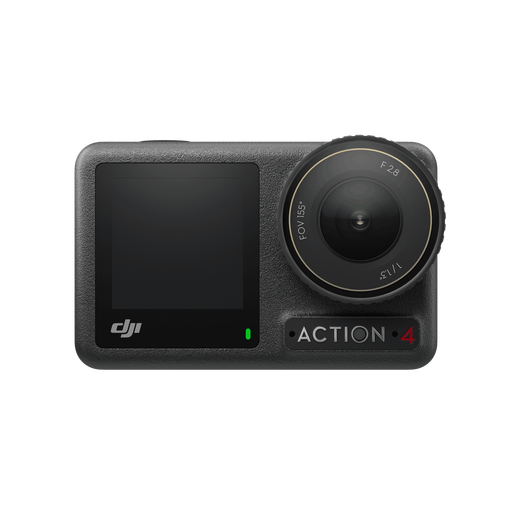 No image available
Consider this conventional action-camera bundle if you want to plan for recording across an outdoor trip. The product name specifies 4K/120fps recording, a 1/1.3-inch sensor and three extra batteries. Check which mount fits your intended position and whether your chosen recording mode supports the stabilisation you need.
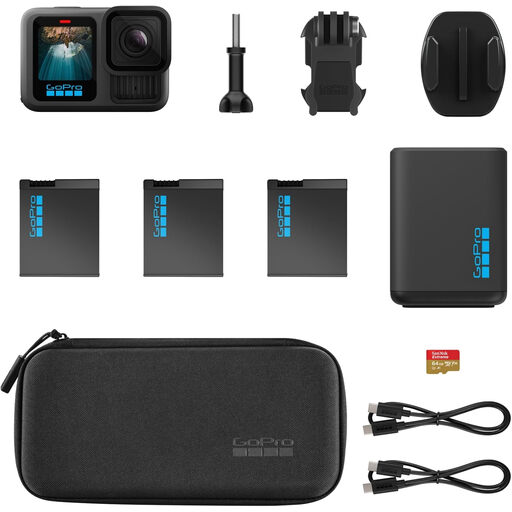 No image available
This HERO13 Black bundle suits someone considering a conventional, forward-facing recording setup with power accessories. GoPro specifies built-in mounting fingers and 1/4-20 tripod compatibility for HERO13 Black. Check the bundle contents and the fit of any mount for your chosen bike or body position; a battery claim does not establish runtime at every recording setting.
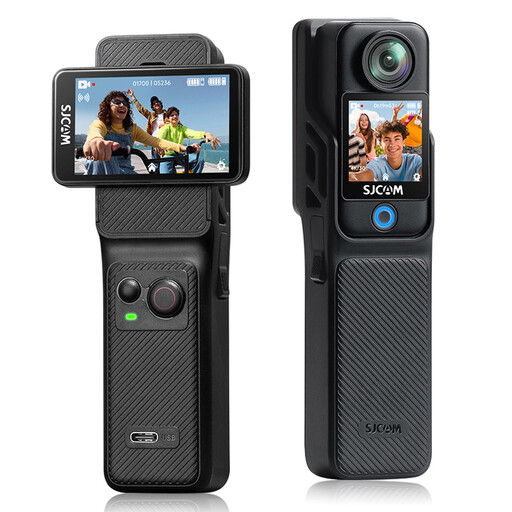 No image available
Consider the C400 if you want a conventional camera for cycling or hiking and are comparing its recording and control features. Its product name specifies 6-axis electronic image stabilisation and dual touchscreens; the stated 30 m water protection requires a case. Confirm the case and a secure, compatible mount for your activity.
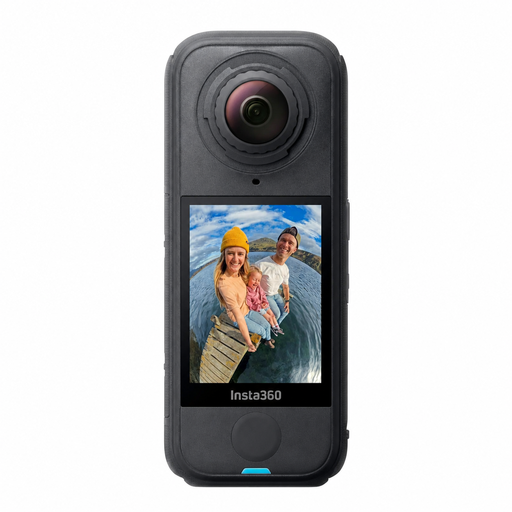 No image available
Choose this route if selecting an angle after the ride matters enough to justify editing the footage. The X4 Air product name specifies a 165 g weight, 8K 360 capture, FlowState stabilisation and replaceable lenses. Check suitable lens protection, water-use instructions and the mounting interface before taking it on a wet or bike-mounted trip.
 No image available
This conventional action-camera combo is worth considering if you are comparing recording options for an outdoor trip. Its product name specifies 4K video, a 1/1.1-inch square sensor and a variable aperture. If moving footage is the priority, confirm stabilisation in your intended mode as well as a compatible, secure mount before choosing it.
Yes, if the camera and mount are compatible and securely fitted for that position. Cycling UK notes that cameras can be mounted in several positions and that the intended location affects the suitable camera size and shape. Keep any mount clear of bicycle controls and lights, and check that it does not compromise safe riding.
Set the framing and recording mode before moving, and stop somewhere safe to make changes. Cycling UK advises planning settings, battery life and storage ahead of a ride; this also avoids having to manage the camera while controlling the bicycle.
No: match the exact camera and any required housing to the activity. DJI states that Osmo Action 5 Pro is waterproof to 20 m without its case and 60 m with it, subject to preparation instructions, and recommends the case for prolonged underwater use or high water-impact pressure. Those figures do not establish the limits of other models.
Plan the recording mode, available power and compatible memory-card capacity together. Cycling UK advises checking battery duration and card space before leaving; assess any manufacturer runtime claim against the settings and conditions you intend to use.
Take care with what you record, how you secure the footage and how you share it. The Information Commissioner’s Office discusses portable bike-mounted cameras in its guidance for organisations; check its current guidance before organisational or commercial recording or systematic public sharing, rather than assuming the same answer covers every private use.