
24/7 Customer Support

Free returns

Same-day & Next-day Delivery

Quality Guaranteed

Unlock Your Welcome Offers: FREE Delivery | Up to 80% OFF | Free 30-day JoyPlus trial
Download the APP
Adhesive tape looks simple, but choosing the wrong type can waste money, damage a surface or leave a repair needing replacement. A roll that works for wrapping parcels may fail on a damp bathroom joint, while a heavy-duty tape may leave residue on painted walls.
The most common buying pitfalls are:
The backing and adhesive determine where a tape can be used.
For mounting, compare the stated maximum load with the actual weight of the item. Allow a margin rather than selecting a strip rated exactly to the object’s weight.
For example, the listed Command adhesive strips include different capacities:
Painted walls, finished wood, glass, metal, tiles and laminate can have different adhesion characteristics. Dust, grease, moisture, recently applied paint and textured finishes can reduce the bond. Always follow the product instructions and test an inconspicuous area where surface compatibility is uncertain.
A permanent fixing is not always the right choice for renters or seasonal displays. Picture hanging strips and removable wall strips are designed for selected indoor surfaces, but they are not intended for wallpaper, weak plaster, delicate finishes or valuable objects.
For floors, carpet tape needs to balance grip with clean removal. A tape designed for rugs may not be suitable for heated floors, damp rooms or delicate wood finishes. For outdoor repairs, look for details such as weather resistance, temperature range and whether the tape needs protection from rain after installation.
Pack size also matters. A 40-piece pack of small strips may offer better value for organising several items, while a 5-metre roll of sealing tape may be more suitable for a single repair.
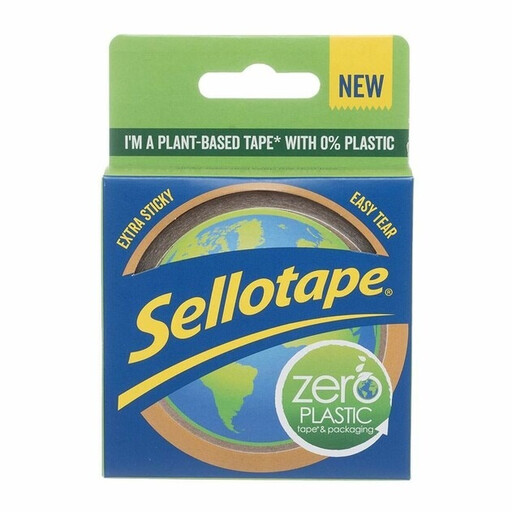
Why This Fits Their Persona: A practical everyday option for wrapping, paper repairs, posters and craft work in a UK home or office.
Its stated use is paper, wrapping and crafts, avoiding the mistake of using general-purpose tape for sealing or heavy mounting.
24 mm width, 30 m length, cellulose film and naturally based glue; the product is described as biodegradable and compostable.
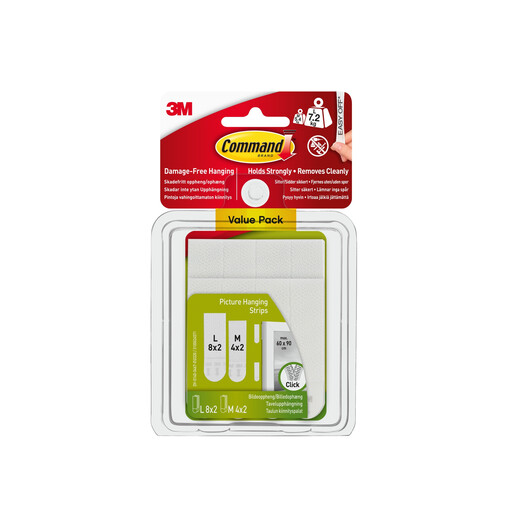
Why This Fits Their Persona: Suitable for shoppers arranging frames, signs or wall décor while wanting flexibility to reposition selected items indoors.
It is specifically labelled for picture hanging rather than being confused with replacement strips intended for hooks.
Includes medium and large sizes; stated frame capacities reach 5 kg for medium and 7 kg for large configurations when used as directed.
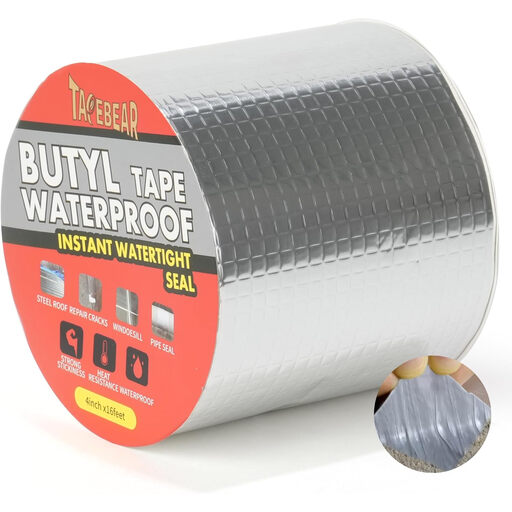
Why This Fits Their Persona: A wide-format option for UK caravan, awning, window, roof, boat and pipe sealing tasks where coverage is important.
Its instructions specify a clean, dry surface and protection from rainfall for 24 hours, making installation conditions clear rather than implied.
100 mm width and 5 m length; butyl rubber backing with PET aluminium foil and stated temperature resistance from -40°C to 80°C.
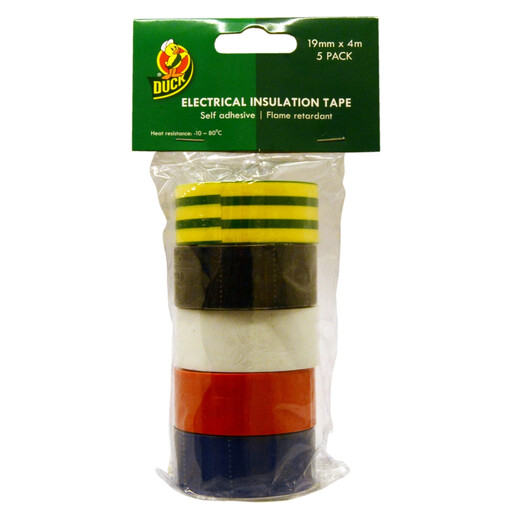
Why This Fits Their Persona: Designed for cable wrapping, identification and low-voltage electrical insulation tasks where a flexible PVC tape is required.
The listing states that it is for low-voltage connections and not a sole protection method for high-voltage distribution. Power must be isolated before use.
19 mm width and flexible PVC construction; suitable for colour coding, bundling and insulating when used according to the safety instructions.
We have compiled a complete, real-time list of products that fully satisfy these strict selection criteria and UK safety regulations.
Duct tape is generally intended for holding, bundling, temporary repairs and general-purpose sealing. Waterproof sealing tape, such as butyl tape or silicone sealing tape, is designed around moisture resistance and surface sealing. Check whether the product is suitable for permanent outdoor exposure, temperature changes and the material being repaired.
There is no single lifespan. Indoor conditions, sunlight, temperature, moisture, surface preparation and load all affect performance. Inspect outdoor seals and electrical insulation periodically, and replace tape if it becomes cracked, loose, brittle or contaminated.
It depends on the adhesive, paint condition and removal instructions. Some double-sided tape is intended for permanent mounting, while picture hanging strips and removable wall strips are designed for selected smooth indoor surfaces. Do not apply them to wallpaper, weak plaster or freshly painted walls unless the product instructions specifically allow it.