
24/7 Customer Support

Free returns

Same-day & Next-day Delivery

Quality Guaranteed

Unlock Your Welcome Offers: FREE Delivery | Up to 80% OFF | Free 30-day JoyPlus trial
Download the APP
From decorating a room to shipping a parcel or performing an emergency repair, the right adhesive tape can be a lifesaver. Yet, choosing incorrectly can lead to frustrating results: paint bleeding under the edge, boxes coming undone, or a so-called waterproof seal failing in the first British downpour. As a Joybuy Product Recommendation Officer, my role is to help you navigate the options and find a tape that genuinely performs, without falling for common marketing traps.
Many of us have been let down by a roll of tape. The issue often stems from a few common pitfalls:
To avoid these issues, it pays to look beyond the price tag and understand a few core parameters.
Choosing the right tape is about matching its construction to the task at hand. Two factors are more important than any other: the adhesive type and the backing material.
Adhesive Type & Strength: The "stickiness" of a tape is determined by its adhesive. Rubber-based adhesives offer a good initial tack for general use, like on duct tape or packaging tape. Acrylic adhesives tend to offer better resistance to temperature and UV light, making them suitable for long-term applications. For specialist tasks like emergency plumbing fixes, a self-fusing silicone tape bonds to itself to create a watertight seal without any adhesive at all.
Backing Material: The backing (or carrier) provides the tape's structure and core properties. For instance, painters masking tape often uses thin washi or crepe paper, which conforms to surfaces and prevents paint bleed. Heavy-duty waterproof sealing tape might use a foil and rubber combination, like butyl tape for RV repair, to create an impenetrable barrier against moisture. For securing flooring, a strong fabric mesh is used in double sided carpet tape to prevent movement.
By considering how these two elements work together, you can select a tape that is truly fit for purpose, whether you're sealing a box with eco-friendly tape or mounting a picture with sticky fixers.
To make the choice clearer, we have matched some reliable options to common user needs.
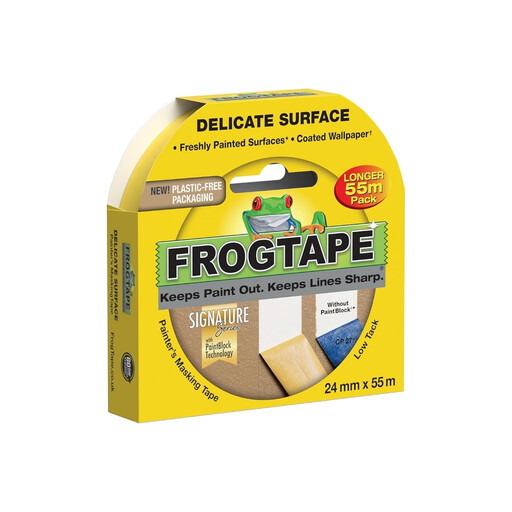
Why This Fits Their Persona: Ideal for UK homeowners aiming for a professional finish on accent walls, trim or upcycled furniture. It's designed for use on surfaces that are easily damaged, like freshly painted walls (after 24 hours) or coated wallpaper.
It directly counters the "surface damage" pitfall with a low-adhesion formula. According to the brand, its PaintBlock Technology creates a micro-barrier to stop paint bleed, avoiding the messy lines common with generic masking tapes.
Its primary benefit is achieving sharp paint lines on delicate surfaces without causing damage upon removal. The washi paper backing is flexible and easy to apply around curves.
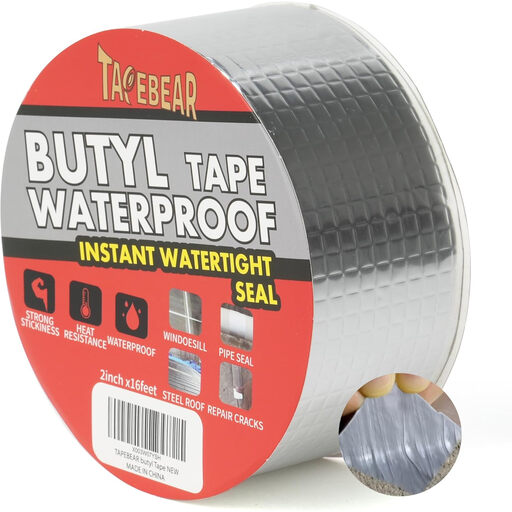
Why This Fits Their Persona: A must-have for RV, caravan and boat owners, or for serious home repairs. This is for fixing leaks on roofs, awnings, windows and pipes where a permanent, weatherproof seal is non-negotiable.
This is a specialist butyl tape for RV repair, not a general-purpose tape. It avoids the "weak adhesive" pitfall with a pure butyl rubber construction that remains flexible and waterproof in temperatures from -40°C to 80°C, handling UK weather with ease.
It provides a permanent, flexible and watertight seal on various surfaces like metal, wood and concrete. The reinforced aluminium foil backing adds durability and UV resistance.
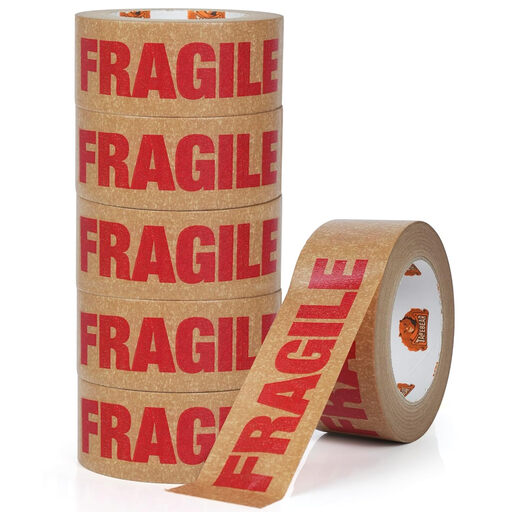
Why This Fits Their Persona: Perfect for small businesses and online sellers in the UK who prioritise sustainability. It provides a secure seal for shipping while clearly marking packages as delicate, aligning with an eco-friendly brand identity.
This is a purpose-built fragile packaging tape that is also an eco-friendly tape. It sidesteps the "all-purpose" trap by being specifically designed for shipping, and it's made of biodegradable kraft paper, unlike standard plastic tapes.
It combines security and sustainability. The tape is tamper-evident, easily torn by hand and fully recyclable, while the prominent "Fragile" print helps protect contents during transit.
We have compiled a complete, real-time list of products that fully satisfy these strict selection criteria and UK safety regulations.
What is the real difference between painters tape and standard masking tape? While they look similar, they are built for different jobs. Standard masking tape uses a strong, general-purpose adhesive designed for a powerful, semi-permanent bond. It's great for labelling or bundling but will likely pull up paint or leave residue if used for decorating. Painters masking tape uses a more sophisticated, lower-tack adhesive and a thinner paper backing, allowing it to create a sharp edge and be removed cleanly from walls without damaging the surface.
Is duct tape waterproof? Most standard duct tape is water-resistant, not waterproof. The polyethylene coating can repel water for a short time, but the cloth backing can become saturated, and the adhesive may fail with prolonged exposure to moisture. For a truly waterproof fix, especially for leaks, you should use a purpose-built waterproof sealing tape, butyl tape or a self-fusing silicone tape designed for pipe repair.
How can I remove sticky tape residue? If a tape has left a sticky mess, avoid harsh scraping, which can damage the surface. Start with a simple method: use a piece of strong tape (like duct tape) to dab at the residue, which can often lift it off. If that fails, apply a small amount of cooking oil or a citrus-based cleaner to a cloth and gently rub the area. Let it sit for a few minutes to dissolve the adhesive, then wipe clean. Always test any cleaning solution on an inconspicuous area first.